
Simple Pest Management for Autumn
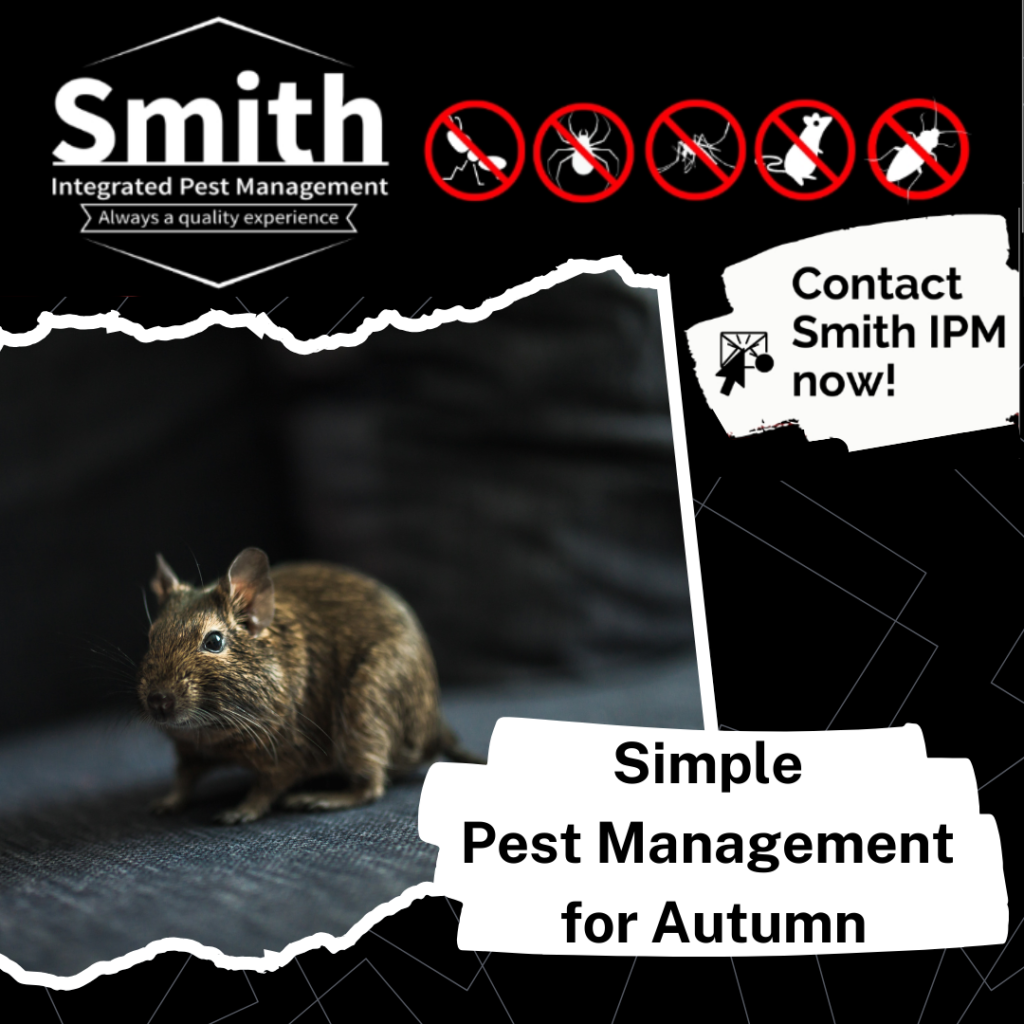
Autumn is a time of transition, not only for nature but also for your home and garden. As the days shorten and temperatures drop here in Indiana, certain pests become more active, while others seek shelter for the winter. Integrated Pest Management (IPM) offers a sustainable and environmentally friendly approach to dealing with these pests. You might think that as we move into the colder months, and the bugs seem to disappear, that you don’t need to worry about pests again until next spring. In actuality, there is plenty to be done to prepare for the spring to properly implement an IPM strategy and pest proofing methods. Understanding Integrated Pest Management (IPM) Integrated pest management is a holistic approach to pest control methodology that emphasizes prevention and monitoring over the indiscriminate use of pesticides. It involves a combination of technical pest management techniques, including: Common Autumn Pests in Indiana Tips for Simple Pest Management in Autumn By adopting these simple pest management techniques for Indiana this fall, you can effectively manage pests in your home and garden while minimizing the use of harmful chemicals. Remember, prevention is key, and a healthy garden is less susceptible to pest problems. If you need help with your simple pest management this fall, contact us to schedule an estimate.
Spring’s Spiders in Lafayette Indiana:
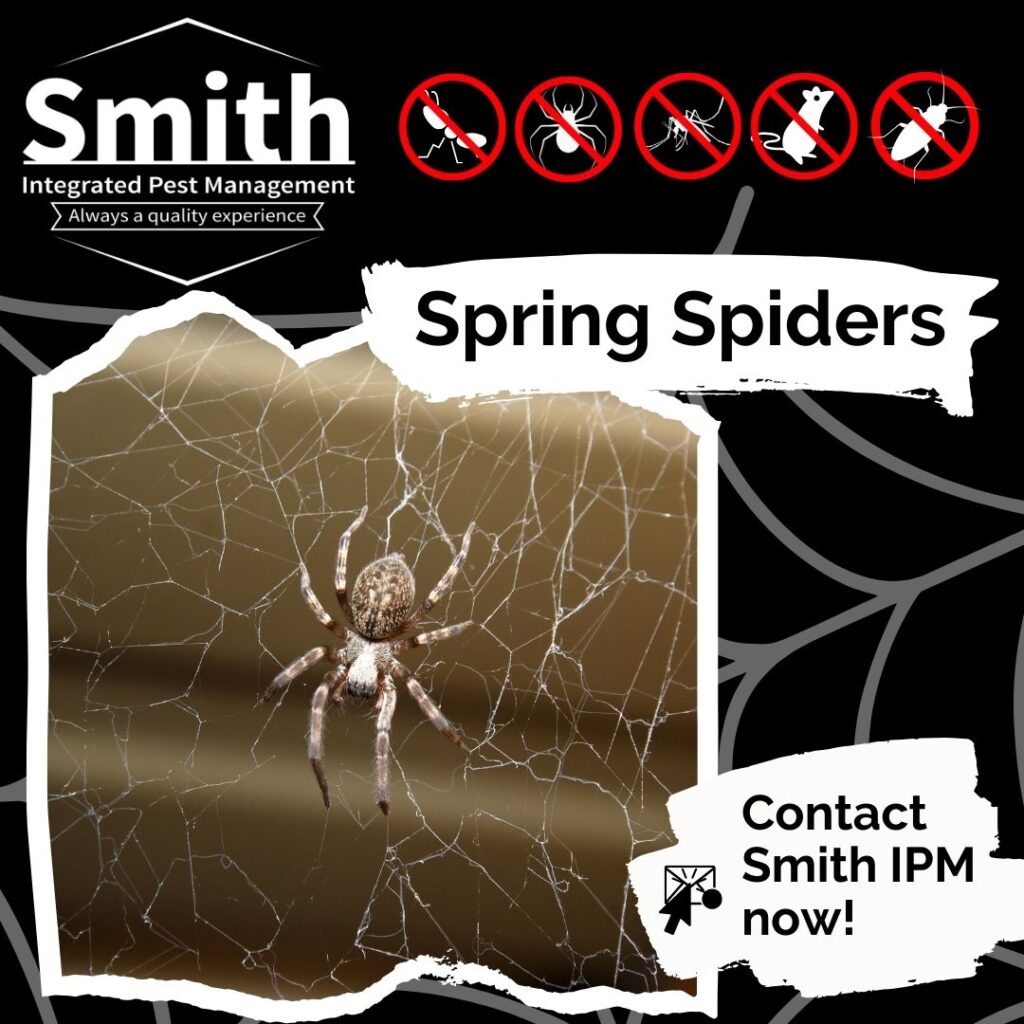
Nature’s Intricate Weavers As winter retreats and Indiana welcomes the warmth of spring, the natural world undergoes a subtle transformation. This is marked by the emergence of spiders in Lafayette, Indiana. These often misunderstood creatures play a vital role in the ecosystem, becoming more active as they spin intricate webs and hunt for food. With rising temperatures and increased insect activity, springtime in Lafayette sees spiders emerging from their winter hideouts to thrive once again. Their fascinating web-building behavior becomes evident, with delicate structures adorning wooded areas and backyards. The utility of these webs catch more than just other insects; the webs of spiders in Lafayette, Indiana open each day capturing the morning sunlight. Despite their reputation, spiders are beneficial predators, controlling insect populations without the need for harmful pesticides. From common house spiders to colorful orb-weavers, spiders in Lafayette boast a diverse array of species, each with unique characteristics. One of the most captivating aspects of spiders in Lafayette is their diverse habitats. Whether in urban neighborhoods, rural farmlands, or natural parks, spiders can be found weaving their intricate webs and contributing to the local ecosystem’s balance. While some may feel apprehensive about encountering spiders, especially in their homes, it’s essential to remember their positive impact. Spiders in Lafayette help keep pest populations in check, reducing the need for chemical interventions. Moreover, many spiders are harmless to humans and prefer to avoid human interaction whenever possible. As Lafayette’s landscape comes alive with the vibrant colors and fragrances of spring, take a moment. Appreciate the beauty and importance of spiders. Their role as nature’s pest controllers deserves admiration and respect, enriching the local environment in ways both seen and unseen. So, as you explore Lafayette’s outdoor spaces this spring, keep an eye out for these eight-legged inhabitants and marvel at the intricate web of life they contribute to, reminding us of the delicate balance of nature that surrounds us. To keep them out of your home or business trust the best for local pest management in the Greater Lafayette Indiana area, Smith Integrated Pest Management LLC. Jeromy SmithOwnerSmith Integrated Pest Managementwww.smithipm.comOffice: 765-268-0087
Exploring the Springtime Ants of Indiana:
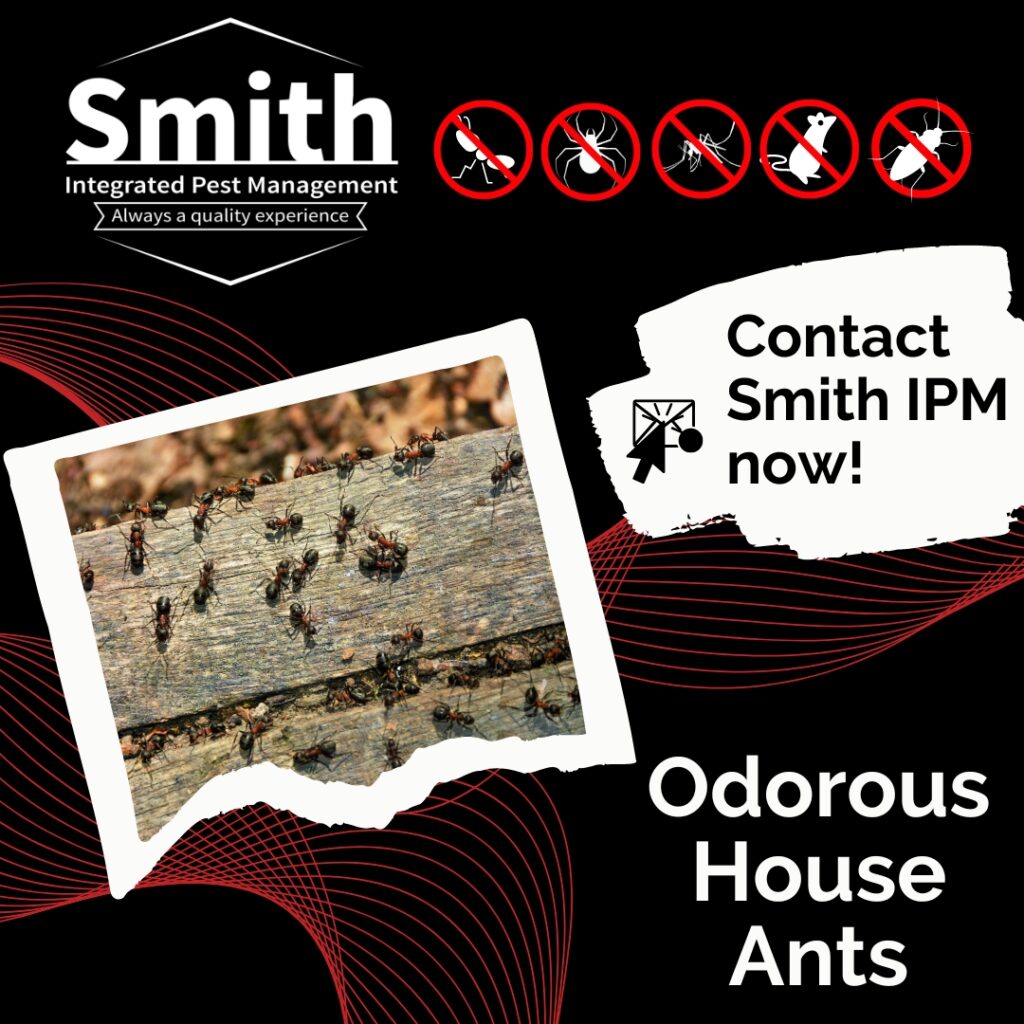
Tiny Marvels in Motion: As the chill of winter gives way to the gentle warmth of spring, the landscape of Indiana undergoes a remarkable transformation. Trees begin to bud, flowers bloom, and the air becomes infused with the sweet scent of rejuvenation. Amidst this seasonal shift, another fascinating phenomenon unfolds beneath our feet – the awakening of Indiana’s bustling ant colonies. Ants, are often overlooked in the grand tapestry of nature. In fact, they are among the most industrious and sophisticated creatures on Earth. In Indiana, the changing seasons have a profound influence on the environment. Certainly this arrival of spring signals a time of heightened activity for these tiny marvels. One of the most captivating aspects of springtime in Indiana is witnessing the waking of ant colonies from their winter dormancy. Throughout the colder months, many ant species retreat into their nests. Here they spent the season conserving energy and relying on stored food supplies to survive. However, as temperatures rise and daylight hours increase, these resilient insects begin to stir once again. Venturing out from their underground dwellings, worker ants embark on a quest for food, forging intricate trails across the landscape in search of sustenance. Alongside them, winged reproductives take to the skies in spectacular mating flights. These are truly mesmerizing spectacles that mark the beginning of new colonies. The diversity of the ants of Indiana is truly remarkable, with over 100 known species calling the state home. These range from familiar pavement ants scurrying along sidewalks to majestic carpenter ants building their nests in decaying wood. Each of these species plays a unique role in the ecosystem. Altogether, they contribute to many processes, such as seed dispersal, soil aeration, and pest control. One of the most iconic of the ants of Indiana is the eastern black carpenter ant (Camponotus pennsylvanicus). In fact, these large, jet-black ants are often spotted foraging for food in wooded areas and urban environments alike. Despite their imposing size, these ants are more than just a nuisance. They play a vital role in forest ecology by breaking down dead wood and recycling nutrients back into the soil. Springtime offers an opportunity for citizen scientists and nature enthusiasts to observe the ants of Indiana’s behavior, up close. Actually, with a keen eye and a spirit of curiosity, individuals can observe ant colonies in action, noting their intricate communication systems, resource-gathering strategies, and social hierarchies. Moreover, understanding the behavior and ecology of the ants of Indiana can have practical implications for pest management and conservation efforts. By recognizing the ecological value of ants and their role within the broader ecosystem, we can work towards fostering coexistence and promoting biodiversity in our local communities. The arrival of spring in Indiana indicates not only the awakening of the natural world but also the resurgence of its smallest inhabitants – the ants. In fact, as these industrious insects go about their daily routines, they remind us of the interconnectedness of all living things and the importance of embracing the marvels of nature that surround us. So, the next time you take a stroll through an Indiana woodland or garden, take a moment of appreciation. Within the tiny, intricate world of ants bustling beneath your feet lies a universe of wonder waiting to be discovered. Warm regards, Jeromy SmithOwner, Smith Integrated Pest ManagementWebsite: smithipm.comOffice: 765-268-0087
What is Integrated Pest Management (IPM)?

Integrated Pest Management Integrated Pest Management (IPM) is an effective and environmentally sensitive approach to pest management. All in all, this approach relies on a combination of common-sense practices. IPM programs use current, comprehensive information on the life cycles of pests and their interactions with the environment. Here’s how it differs from traditional pest control: Traditional pest control often employs a reactive approach, using broad-spectrum chemical insecticides upon identifying a pest problem. This can be less effective in the long run as pests develop resistance, and may harm beneficial insects and the environment. IPM, however, focuses on understanding the root causes of pest infestations by considering factors like habitat, food sources, and entry points. This knowledge guides the selection of various control methods, prioritizing non-chemical solutions whenever possible. IPM practices include: By adopting an IPM approach, you can enjoy the benefits of effective pest control while minimizing your environmental impact and protecting the health of your family and pets. Smith Integrated Pest Management shares your commitment to a healthy and sustainable environment. We prioritize non-chemical solutions whenever possible, ensuring every treatment is safe, effective, and tailored to your specific needs. Looking to Schedule an Estimate? We have you covered!