
Signs You May Have a Rodent Problem in Your Home
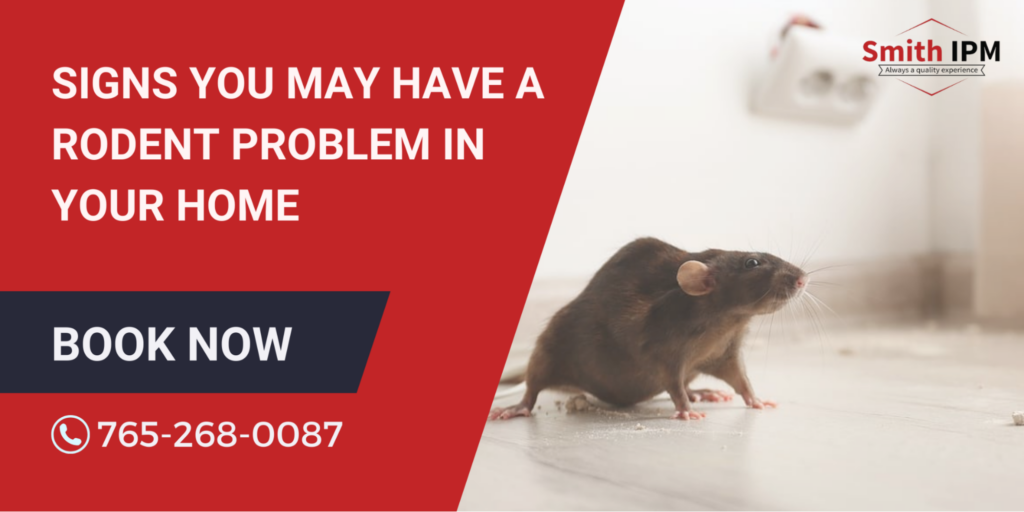
Rodents such as mice and rats are common household pests. They can enter homes through small openings and quickly build nests inside walls, kitchens, attics, and basements. Many homeowners do not notice the problem until the infestation becomes large. Early detection is important. Rodents spread bacteria, damage property, and contaminate food. According to the Centers for Disease Control and Prevention (CDC), rodents can spread more than 35 diseases worldwide through urine, droppings, and bites. Understanding the warning signs helps you take action early and protect your home and family. If you live in Indiana, knowing these signals can help you decide when to contact a professional pest control service in Lafayette for proper inspection and treatment. This guide explains the most common signs of rodent activity, why they occur, and what homeowners can do to prevent infestations. Why Rodents Enter Homes Rodents look for three things. • Food• Water• Shelter Homes provide all of these. During colder months, rodents search for warm indoor areas. Small cracks, gaps around pipes, vents, and doors make easy entry points. Mice can squeeze through holes as small as a dime. Rats can enter through openings the size of a quarter. Once inside, they reproduce quickly. A single female mouse can produce 5 to 10 litters each year, according to the National Pest Management Association (NPMA). That is why early detection is important. Most Common Rodents Found in Homes Rodent Type Typical Size Common Hiding Areas House Mouse 2 to 4 inches Kitchen cabinets, walls, and pantry Norway Rat 7 to 9 inches Basements, crawl spaces Roof Rat 6 to 8 inches Attics, roofs, trees Each species behaves differently, but they leave similar signs of activity. 10 Signs You May Have a Rodent Problem 1. Rodent Droppings Droppings are often the first sign homeowners notice. Mouse droppings look like small dark grains of rice. Rat droppings are larger and thicker. Common areas where droppings appear include: • Kitchen drawers• Pantry shelves• Under sinks• Behind appliances• Inside cabinets Fresh droppings are dark and moist. Older droppings become dry and gray. Large amounts of droppings indicate active rodent activity. According to the U.S. Environmental Protection Agency, rodent droppings can carry bacteria that contaminate food and surfaces. 2. Scratching Noises in Walls Rodents are most active at night. Many homeowners hear scratching or scurrying sounds after sunset. Common noise locations include • Inside walls• Ceilings• Attics• Under floors Mice move quickly through wall cavities and insulation. Rats create louder noises because they are larger. If you regularly hear scratching sounds at night, rodents may be nesting nearby. 3. Gnaw Marks on Wood or Plastic Rodents must chew constantly to keep their teeth from growing too long. This behavior damages many household materials. Common items rodents chew include • Wooden furniture• Food containers• Electrical wiring• Plastic pipes• Baseboards Chewed electrical wires can increase the risk of fire. The National Fire Protection Association reports that rodents cause thousands of electrical fires each year by damaging wiring. 4. Grease Marks and Smudge Trails Rodents often travel along the same paths repeatedly. Their fur contains oils that leave dark streaks on walls and floors. You may see these marks near • Baseboards• Wall edges• Entry holes• Pipes and beams Grease marks become darker over time as rodents continue to use the same path. 5. Unusual Pet Behavior Pets often notice rodent activity before humans. Dogs and cats may • Stare at walls or cabinets• Scratch at floorboards• Bark or meow near hidden spaces Pets can hear and smell rodents that people cannot detect. Sudden changes in pet behavior may indicate the presence of hidden pests. 6. Nesting Materials Rodents build nests using soft materials. Common nesting materials include • Shredded paper• Fabric pieces• Insulation• Cardboard• Dryer lint These nests often appear in quiet areas such as • Attics• Behind appliances• Inside storage boxes• Inside walls Finding nesting materials is a strong sign of rodent activity. 7. Strong Musty Odor Rodents produce a strong ammonia-like smell from urine and droppings. The odor becomes stronger as infestations grow. You may notice this smell in • Pantries• Cabinets• Basements• Attics If the odor appears suddenly, rodents may be living nearby. 8. Food Packages with Bite Marks Rodents often search kitchens and pantries for food. Signs of contamination include • Holes in cereal boxes• Chewed snack bags• Spilled grains or crumbs• Bite marks on packaging Even small contamination can spread bacteria. The Food and Drug Administration (FDA) warns that rodent contamination can introduce harmful pathogens into stored food. 9. Footprints or Tail Marks Rodents leave small tracks in dusty areas. You may see footprints in • Basements• Garages• Attics• Crawl spaces A simple way to confirm activity is to sprinkle flour or powder on suspected areas overnight. Rodents crossing the area will leave visible tracks. 10. Live Rodent Sightings Seeing a mouse or rat during the day is a serious warning sign. Rodents usually hide during daylight hours. Daytime sightings often mean the population has grown large. If you see one rodent, more may be hiding nearby. Health Risks Linked to Rodents Rodents carry bacteria and viruses that affect humans. Some common diseases include Disease Transmission Method Hantavirus Rodent droppings and urine Salmonella Contaminated food Leptospirosis Water contaminated by urine Rat bite fever Rodent bites The Centers for Disease Control and Prevention reports that rodents can spread disease through • Droppings• Urine• Saliva• Bites• Contaminated surfaces Children, elderly people, and pets are especially vulnerable. Areas of the Home Most at Risk Rodents prefer quiet areas with limited human activity. High-risk locations include Kitchen Food and water sources attract mice and rats quickly. Attic Warm insulation provides ideal nesting material. Basement Basements offer dark and quiet hiding areas. Garage Stored boxes and clutter create shelter. Crawl Spaces Rodents can enter through foundation gaps. Regular inspections in these areas help detect problems early. Simple Prevention Tips for Homeowners Preventing rodents is easier than removing a large infestation. Follow these practical steps. Seal Entry Points Inspect your home
Why IPM Is Better for the Environment and Your Home?

Many homeowners want effective pest control without harming their family, pets, or the environment. Traditional pest control often relies on repeated chemical sprays that solve the problem temporarily but create new risks over time. This is where Integrated Pest Management (IPM) makes a real difference. IPM is a science-based approach that focuses on prevention, long-term control, and safety. Instead of reacting after pests appear, IPM works to stop pests before they become a problem. It uses a mix of inspection, monitoring, habitat changes, and targeted treatments only when needed. For homeowners seeking safer, smarter pest control in Lafayette, IPM offers clear benefits. It protects indoor air quality, reduces chemical exposure, and helps maintain a healthier living space. It also supports the environment by limiting unnecessary pesticide use. This guide explains what IPM is, how it works, and why it is better for both your home and the environment. The goal is to provide clear, practical information you can trust. What Is Integrated Pest Management (IPM)? Integrated Pest Management is a structured, research-backed method for controlling pests. According to the United States Environmental Protection Agency, IPM focuses on long-term prevention through a combination of techniques rather than relying on chemicals alone. Core Principles of IPM IPM follows a clear and logical process: This approach ensures pests are controlled effectively, responsibly, and safely. How IPM Differs From Traditional Pest Control? Traditional pest control often follows a spray-first approach. IPM focuses on prevention first. Feature Traditional Pest Control Integrated Pest Management Focus Killing visible pests Preventing pest problems Chemical use Frequent and broad Limited and targeted Long-term results Short-term relief Long-lasting control Environmental impact Higher Lower Safety for families Moderate risk Reduced risk IPM addresses the root causes of pest problems rather than just treating symptoms. Why Chemical Heavy Pest Control Can Be Harmful? Many homeowners are unaware of the long term effects of repeated pesticide use. While chemicals can kill pests quickly, they also carry risks. Health Risks Inside the Home Research from the Centers for Disease Control and Prevention shows that indoor pesticide exposure can affect: Common side effects include headaches, skin irritation, breathing problems, and nausea. Environmental Impact of Overuse Excess pesticide use can lead to: The EPA reports that less than one percent of applied pesticides reach the target pest. The rest enters the surrounding environment. How IPM Protects the Environment? IPM is designed to work with nature, not against it. Reduced Chemical Pollution Because IPM limits pesticide use, fewer chemicals enter: This helps protect ecosystems and wildlife. Protection for Beneficial Insects Not all insects are harmful. Many play important roles, such as: Broad-spectrum pesticides often kill beneficial insects along with pests. IPM uses targeted treatments to protect helpful species. Sustainable Long-Term Results IPM supports environmental balance. Controlling pests naturally and preventing infestations reduces the need for repeated treatments year after year. Why IPM Is Better for Your Home? IPM does more than protect the environment. It creates a safer and more comfortable home. Healthier Indoor Air Quality Repeated chemical sprays can affect indoor air. IPM focuses on identifying entry points and conditions that attract pests and providing recommendations to help homeowners address them, rather than relying on routine indoor spraying. Benefits include: Safer for Children and Pets IPM places safety first. Treatments are chosen carefully and applied only when needed. Key advantages: Long-Term Pest Prevention Instead of reacting to infestations, IPM prevents them by identifying and helping homeowners address: How does IPM Works Step by Step? IPM follows a structured process that ensures results without unnecessary risk. Step 1: Inspection and Identification Every IPM program starts with a detailed inspection. Professionals identify: Correct identification is critical for effective control. Step 2: Monitoring Pest Activity Monitoring helps determine: This prevents unnecessary treatments. Step 3: Prevention Through Habitat Changes Most pests enter homes in search of food, water, and shelter. IPM reduces these conditions by identifying risk areas and recommending improvements such as: Step 4 Targeted Treatment When Needed If pests persist, IPM uses targeted solutions such as: These methods focus on the pest rather than the entire environment. IPM vs Traditional Pest Control for Common Pests Ants Traditional sprays kill visible ants but leave the colony intact. IPM targets nests and removes food sources. Spiders IPM focuses on reducing the insects that spiders feed on and identifying entry points that should be properly sealed. Rodents Instead of relying on poisons alone, IPM emphasizes inspection, exclusion recommendations, sanitation improvements, and ongoing monitoring.. Mosquitoes IPM reduces standing water and breeding areas before using treatments. This approach leads to stronger and longer-lasting results. Statistics That Support IPM IPM is not a trend. It is backed by data. Is IPM More Cost-Effective Over Time Many homeowners think IPM costs more. In reality, it often saves money. Why IPM Reduces Costs Cost Factor Traditional IPM Initial cost Lower Moderate Repeat visits Frequent Reduced Long-term cost Higher Lower IPM focuses on solving the problem correctly the first time. IPM and Modern Home Construction New homes are not immune to pests. In fact, modern construction can create hidden entry points. IPM evaluates conditions such as: and provides guidance to help homeowners correct these vulnerabilities. When is IPM the Best Choice? IPM is ideal if you: It is also recommended by many government and health organizations. Common Myths About IPM Many homeowners hesitate to choose Integrated Pest Management because of common misunderstandings. Let us clear them up. Myth 1: IPM Takes Too Long One of the biggest myths is that IPM works slowly. In reality, IPM acts quickly when pest activity requires immediate action. The difference is that it avoids unnecessary treatments. Instead of repeated spraying, IPM focuses on stopping the problem at its source. This leads to faster long-term results and fewer repeat infestations. Myth 2: IPM Does Not Use Chemicals Some people believe IPM never uses chemicals. That is not true. IPM allows chemical treatments when they are necessary. The key difference is how and when they are used. Products are applied in targeted
What is Integrated Pest Management (IPM)?

Integrated Pest Management Integrated Pest Management (IPM) is an effective and environmentally sensitive approach to pest management. All in all, this approach relies on a combination of common-sense practices. IPM programs use current, comprehensive information on the life cycles of pests and their interactions with the environment. Here’s how it differs from traditional pest control: Traditional pest control often employs a reactive approach, using broad-spectrum chemical insecticides upon identifying a pest problem. This can be less effective in the long run as pests develop resistance, and may harm beneficial insects and the environment. IPM, however, focuses on understanding the root causes of pest infestations by considering factors like habitat, food sources, and entry points. This knowledge guides the selection of various control methods, prioritizing non-chemical solutions whenever possible. IPM practices include: By adopting an IPM approach, you can enjoy the benefits of effective pest control while minimizing your environmental impact and protecting the health of your family and pets. Smith Integrated Pest Management shares your commitment to a healthy and sustainable environment. We prioritize non-chemical solutions whenever possible, ensuring every treatment is safe, effective, and tailored to your specific needs. Looking to Schedule an Estimate? We have you covered!