
Why Eco-Friendly Pest Control Is Growing in Lafayette Homes
Homeowners in Lafayette, Indiana are becoming increasingly mindful of what goes into their homes and that includes pest control. Traditional exterminator methods often rely on harsh chemicals that may harm children, pets, and the environment. As awareness grows, more Lafayette families are choosing eco-friendly pest control that keeps homes pest-free without compromising safety or sustainability. Eco-friendly pest control isn’t just a trend, it’s a smarter, long-term solution based on Integrated Pest Management (IPM), a science-backed approach that prevents infestations before they start. With local experts like Smith IPM, Lafayette residents now have access to responsible, effective, and affordable pest management that aligns with their values. What Is Eco-Friendly Pest Control? Eco-friendly pest control focuses on prevention, monitoring, and targeted treatment rather than blanket pesticide use. It uses environmentally safe products and natural techniques to manage pest populations with minimal impact on people, pets, and the planet. Core Principles of Eco-Friendly Pest Control Unlike “one-time spray” services, Integrated Pest Management (IPM) focuses on sustainable prevention helping homeowners save money while protecting their health and property. Why Lafayette Homeowners Are Shifting to Eco-Friendly Pest Control 1. Family and Pet Safety Most Lafayette families include children or pets, and chemical exposure is a growing concern. The U.S. Environmental Protection Agency (EPA) warns that improper pesticide use can trigger allergic reactions and other health issues. Eco-friendly solutions minimize or eliminate these risks by using low-toxicity, plant-based treatments that target pests without harming your loved ones. 2. Rising Environmental Awareness Lafayette residents take pride in community sustainability seen in the rise of eco-conscious practices like recycling, organic gardening, and solar energy. Home pest control is following suit. By reducing chemical runoff and protecting pollinators, homeowners contribute to a cleaner local ecosystem. 3. Long-Term Cost Savings traditional exterminators may seem cheaper upfront but often leads to recurring infestations. Eco-friendly IPM programs focus on prevention and monitoring, saving money over time by addressing root causes instead of temporary fixes. Regular quarterly visits ensure that pests stay out for good. 4. Improved Indoor Air Quality Indoor air quality matters more than ever. Chemical sprays can leave residues and odors that linger for days. Eco-friendly pest control uses odorless, non-volatile solutions, keeping air clean and breathable especially important for those with asthma or allergies. 5. Support for Local Experts Lafayette homeowners increasingly prefer local service providers who know the region’s pest patterns. Companies like Smith IPM bring 20+ years of experience in Indiana pest behavior offering a personalized touch that big national chains can’t match. Common Pests in Lafayette Homes and Eco-Friendly Ways to Stop Them Pest Type Season Most Active Eco-Friendly Prevention Tips Ants Spring to Summer Seal cracks, wipe food spills, use vinegar or citrus-based repellents. Spiders Fall Remove webs, reduce clutter, use natural essential oils like peppermint. Mosquitoes Summer Eliminate standing water, use citronella or eco mosquito control treatments. Rodents Fall to Winter Seal entry holes, store food properly, use humane traps. Termites Year-Round Schedule inspections, reduce wood-to-soil contact, manage moisture. Lafayette’s climate with warm, humid summers and cool winters creates ideal conditions for pests. Eco-friendly solutions combine seasonal prevention and environmental balance, keeping infestations in check without harmful chemicals. The Science Behind Integrated Pest Management (IPM) Integrated Pest Management, or IPM, is the backbone of modern eco-friendly pest control. It’s endorsed by the U.S. Department of Agriculture (USDA) and the EPA as the safest and most sustainable approach to pest management. Key IPM Steps Used by Professionals Like Smith IPM This process ensures that chemicals are only used as a last resort, and only in targeted areas protecting both your home and the local environment. Eco-Friendly vs. Traditional Exterminators: A Clear Comparison Factor Traditional Exterminators Eco-Friendly Pest Control (IPM) Approach Reactive (kill pests after infestation) Preventive (stop pests before they start) Chemicals Used poorly formulated pesticides Botanical-based or low-toxicity treatments Safety May pose risk to kids, pets, or pollinators Safe for family and environment Long-Term Results Temporary relief Sustained prevention Cost Over Time Repeated service costs Lower due to prevention focus Environmental Impact Runoff & residue risk Minimal ecological disruption Homeowners in Lafayette are choosing the latter because it aligns with their values of safety, sustainability, and smart prevention. What Eco-Friendly Pest Control Looks Like in Action 1. Home Assessment A certified technician inspects your property inside and out looking for entry points, nesting areas, and food sources. 2. Customized Treatment Plan Every home is unique. A local expert like Smith IPM tailors a plan based on your home’s structure, pest risks, and lifestyle needs. 3. Safe Application When treatments are needed, only eco-certified solutions are used and applied strategically to minimize exposure. 4. Prevention Education You’ll receive advice on small lifestyle changes like sealing cracks, storing food securely, or trimming vegetation near your home. 5. Ongoing Maintenance Quarterly visits and seasonal inspections ensure pests don’t return, saving you from repeat infestations and unnecessary costs. This hands-on, preventive approach reflects the “peace of mind” philosophy behind Smith IPM’s year-round protection programs. The Role of Local Expertise Pest control is never one-size-fits-all. Lafayette’s humid summers bring mosquitoes and ants, while cool seasons invite spiders and rodents indoors. Local experts understand these seasonal shifts and adjust treatments accordingly. Smith IPM specializes in: By choosing a Lafayette pest control, homeowners benefit from quick response times, familiar technicians, and personalized service not the corporate approach of large national chains. Health and Environmental Benefits Eco-friendly pest control protects more than just your home; it safeguards the community’s health and environment. Health Benefits Environmental Benefits These benefits align with Lafayette’s growing environmental consciousness and family-first values. Tips for Homeowners Choosing an Eco-Friendly Pest Control Company When selecting a provider in Lafayette, look for these important qualities: Ask if the company offers preventive quarterly plans or risk assessments, a hallmark of true eco-friendly pest control. Real Results: What Lafayette Homeowners Are Saying Many homeowners who switched to eco-friendly pest management report noticeable improvements: These experiences reflect why Smith IPM has earned local trust as a reliable, neighborly partner for pest-free living.
Why Does Winter Pest Control Matters in Lafayette, Indiana Homes?

Winter pest control matters in Lafayette, Indiana because cold weather does not make every pest disappear. Instead, it changes where pests live and how homeowners notice them. Mice may move into wall voids, basements, garages, or attics in search of shelter and food. Stink bugs, Asian lady beetles, and cluster flies may spend the winter inside protected parts of a home and appear again on mild, sunny days. Spiders and other insects can also remain active in warm indoor areas. If you searched for Pest Control in Lafayette, the main point is simple: winter is a good time to inspect, monitor, and correct conditions that can support pest activity. You do not need to assume that every winter sighting means a major infestation. A few overwintering insects may simply be emerging from a wall void. Fresh mouse droppings, repeated gnaw marks, new noises, or ongoing sightings may point to a more active problem. The most useful winter strategy is prevention first. That means finding signs early, reducing food and water sources, watching common travel areas, and identifying openings that may allow pests to enter. The EPA describes Integrated Pest Management, or IPM, as an approach that combines monitoring, prevention, identification, and targeted control instead of relying only on routine pesticide use. For Lafayette homeowners, winter pest control is less about spraying everything and more about understanding what is active, why it is there, and what practical action makes sense. Why Are Pests Still a Problem During a Lafayette Winter? Many pests slow down when temperatures fall, but a heated home creates a different environment than the outdoors. Indoor spaces can offer warmth, food, water, and shelter. That is enough for some pests to remain active or survive until spring. The pest may also have entered before winter began. Brown marmorated stink bugs, Asian lady beetles, boxelder bugs, and cluster flies often seek protected places in late summer or fall. Purdue Extension notes that several fall invaders move toward homes as cold weather arrives. Cluster flies can settle in wall voids and attics, then become visible during warm periods in winter. Rodents are different. Mice do not simply sleep through winter. They stay active and may use homes as reliable shelter. The CDC advises homeowners to watch for droppings, gnaw marks, gaps, and other signs of rodent activity because early control is easier than dealing with an established population. This is why winter pest control should begin with identification. A mouse problem needs a different plan than a few cluster flies at a sunny window. What Winter Pests Should Lafayette Homeowners Watch For? Winter pests do not all create the same risk. Some are nuisance pests, while others may affect food, property, or sanitation. Pest Typical Winter Behavior What Homeowners May Notice Main Concern House mice Stay active indoors and search for food and shelter Droppings, gnaw marks, scratching sounds, damaged food packages Contamination, property damage, ongoing activity Brown marmorated stink bugs Overwinter in protected spaces Bugs near windows, walls, or lights on mild days Mostly nuisance and odor Asian lady beetles Gather in sheltered areas for winter Beetles near windows or light fixtures Mostly nuisance and possible surface stains Cluster flies Overwinter in attics and wall voids Slow flies near sunny windows on warm days Nuisance; they do not normally reproduce indoors Spiders Some remain active in quiet indoor spaces Webs in basements, garages, and storage areas Usually nuisance, but species identification matters Cockroaches Can remain active where warmth, food, and moisture are available Droppings, shed skins, or nighttime activity Sanitation and allergen concerns Purdue Extension reports that brown marmorated stink bugs were first detected in Indiana in 2010. It also notes that cluster flies can become active indoors during warm winter periods. Treatment should match the pest, not just the season. Why Do Mice Become Such an Important Winter Concern? Mice are one of the clearest reasons winter pest management matters. They can enter through very small openings, remain active all season, and often stay out of sight. According to the CDC, mice can fit through an opening about 1/4 inch, or 6 millimeters, wide. That is roughly the width of a pencil. Common entry areas include gaps around utility lines, vents, doors, windows, foundations, rooflines, and attached garages. Once inside, mice may nest in quiet, insulated spaces close to food. Homeowners may first notice: The CDC also notes that rodents can carry diseases and that contact with their urine, droppings, and saliva can create exposure risks. That does not mean every mouse sighting will make someone ill, but it is a good reason to handle cleanup and control carefully. If you find evidence of mice, avoid treating the issue as only a trapping problem. The better questions are: How are they moving through the home? What is supporting them? Where might they be getting in? Smith IPM’s rodent control service focuses on inspection and management rather than relying on one visible sign alone. Why Do Bugs Appear on Warm Winter Days? A bug near a window in January does not always mean insects are breeding indoors. Cluster flies, stink bugs, and Asian lady beetles may have entered in fall and settled in protected areas. Warm sunlight can make them active, sending them toward windows and lights. Cluster flies are a good example. Extension guidance explains that they seek protected winter sites in fall. They may stay inside wall voids, attics, and other sheltered spaces. When temperatures rise for a short time, they can become active and move toward light. They do not normally reproduce inside the home. Indoor spraying may not solve this type of problem because the insects can remain hidden in structural voids. Prevention works best before they enter, with attention to likely access points and needed repairs. Smith IPM does not seal homes. During pest inspections, the team can help customers identify areas that may need to be sealed or repaired by the homeowner or an appropriate contractor. For more information about seasonal pests,
Top 10 Signs You Need Professional Pest Control in Indiana
Pest problems often start small but can quickly grow into serious issues for Indiana homeowners and businesses. From rodents nesting in attics to termites silently eating away at wooden structures, ignoring the early warning signs can lead to expensive repairs and potential health risks. While store-bought sprays and traps may provide short-term relief, they rarely solve the root problem. This is why understanding the signs that call for professional pest control is critical. In this guide, we outline the top 10 indicators that it is time to call an Indiana pest control expert. Each sign is explained in detail, with practical advice on how to protect your home, family, and property year-round. 1. Frequent Pest Sightings Seeing pests occasionally is normal, but regular sightings inside your home are a red flag. If you spot ants marching across your kitchen, cockroaches scattering when you switch on lights, or mice running along baseboards, it indicates an established problem. Pests reproduce quickly, and visible activity means there are likely many more hiding in walls, attics, or crawl spaces. For example, cockroaches are nocturnal, so daytime sightings usually signal a large infestation. At this stage, professional intervention becomes essential. 2. Unexplained Property Damage Pests cause billions of dollars in damage annually in the United States. Termites alone are responsible for an estimated $5 billion in property damage each year. In Indiana, termites remain active even in colder months when they find warmth indoors. Signs of damage include: When damage appears without a clear explanation, pests are often the hidden culprit. 3. Strange Noises in Walls or Ceilings If you hear scratching, scurrying, or squeaking in walls, attics, or ceilings especially at night it may indicate rodents. Mice and rats often nest in insulation and chew through wood or wiring. Left untreated, they can cause electrical fires or contaminate stored food. Professional pest control uses inspection tools to locate nests and seal entry points, something DIY methods cannot effectively address. 4. Droppings and Shed Skins Pest droppings are one of the clearest signs of infestation. Rodent droppings are small, dark, and pellet-shaped, while cockroach droppings look like black pepper flakes. You may also find shed skins from insects such as bed bugs or silverfish. Droppings not only confirm pest presence but also pose health risks. According to the CDC, rodents spread over 35 diseases worldwide through droppings, urine, and saliva. Cleaning up without professional help may worsen the problem by spreading contaminants. 5. Unpleasant Odors Many pests leave behind strong, unpleasant smells. For example: Persistent odors that do not go away after cleaning should prompt a professional inspection. Pests often die in hidden areas, creating even stronger smells that attract more invaders. 6. Nesting Materials or Mud Tubes Rodents build nests using shredded paper, fabric, or insulation. Finding these materials in attics, basements, or storage boxes is a clear indicator of infestation. Termites, on the other hand, create mud tubes along walls and foundations to travel safely. These pencil-thin tunnels are one of the most visible signs of termite activity in Indiana homes. Both types of evidence suggest pests are well-established and require professional removal. 7. Increased Allergy or Asthma Symptoms Pests are not just a nuisance they can impact health. Cockroach allergens are a well-documented trigger for asthma, especially in children. According to the Asthma and Allergy Foundation of America, cockroach allergens are linked to increased hospital visits for asthma patients. If family members experience more sneezing, itchy eyes, or breathing problems indoors, pests could be contributing. Professional pest control removes the source, improving indoor air quality and reducing health risks. 8. Structural Changes in Wood or Walls Soft wood, hollow-sounding beams, or peeling paint often signal hidden termite or carpenter ant activity. Termites eat wood from the inside out, so damage can remain unnoticed until it becomes severe. In Indiana, termite infestations are common due to the mix of humid summers and cold winters that drive pests indoors. If you suspect structural damage, professional inspections with moisture meters and detection tools are necessary to confirm and treat the issue. 9. Outdoor Pest Activity Near the Home Seeing wasp nests under eaves, ant hills along foundations, or rodent burrows near the yard indicates pests may already be entering the home. Outdoor activity is often the first warning sign before indoor infestations occur. Professional Indiana pest control companies use preventive treatments around decks, patios, and foundations to create a barrier that reduces the risk of pests moving indoors. 10. DIY Efforts Keep Failing If you have tried traps, sprays, or home remedies without long-term success, it is time for professional help. DIY products may kill individual pests but rarely eliminate the colony or nest. Professional services provide: When DIY fails, delaying professional pest control only allows infestations to grow worse. Why Early Action Matters? Waiting to act on these signs increases the risk of costly repairs and potential health concerns. Early professional intervention provides: Peace of mind knowing pests are eliminated Living with pests creates constant stress. You worry about where they are hiding, what damage they are causing, and whether they pose risks to your family. Early action removes that uncertainty. A professional inspection and treatment plan eliminates pests quickly and effectively, so you no longer see droppings, hear scratching sounds, or smell unpleasant odors. Knowing that experts have handled the problem allows you to relax and feel comfortable in your home again. Peace of mind is one of the most valuable benefits of early pest control, and it prevents the emotional toll of ongoing infestations. Protection of family health Pests are more than a nuisance, they carry real health risks. Rodents can spread diseases through droppings and urine, cockroaches trigger asthma and allergies, and mosquitoes carry viruses. Children, elderly family members, and pets are especially vulnerable. By acting early, you stop pests before they multiply and spread contaminants throughout your home. Professionals use safe, regulated treatments that protect families while eliminating threats. This ensures your living space remains clean, healthy, and free
Pest Control in Lafayette: 6 Proven Tips to Prevent Pests from Forming at Home
Living in Lafayette means enjoying warm weather and beautiful surroundings, but it also means dealing with pesky pests that love our climate. Whether it’s ants, mosquitoes, termites, or roaches, pests can quickly become a problem if not handled properly. The best way to keep your home safe and comfortable is through effective pest control in Lafayette starting with prevention. In this home pest control guide, we’ll share proven and practical tips on how to stop pests at home by using natural pest prevention tips, understanding common pest entry points, and implementing smart strategies for pest-proofing your house. Why Preventing Pests is Important in Lafayette Lafayette’s humid and rainy climate creates perfect conditions for many insects and rodents. Waiting for pests to show up means risking damage to your home and health issues. By focusing on ways to prevent insects indoors and around your property, you save time, money, and stress. 1. Seal All Common Pest Entry Points Pests are experts at finding small cracks and gaps to sneak into your home. Inspect areas like window frames, door gaps, plumbing fixtures, and vents carefully. Tip: Use weather stripping, caulk, or fine mesh screens to block these entry points. This simple step is one of the most effective ways of pest-proofing your house. 2. Keep Your Home Dry and Clean: A Key to Effective Pest Control One of the easiest and most important ways to prevent pests from invading your home is by keeping your living space dry and clean. Most common pests — including ants, cockroaches, silverfish, and mosquitoes — are attracted to moisture and food sources. When your home provides these, pests are naturally drawn in and can quickly multiply. Why Moisture is a Magnet for Pests Many pests thrive in damp environments. For example: How to Control Moisture Effectively The Importance of Cleanliness Food is another major attractant for pests, so maintaining cleanliness is essential to pest prevention. By controlling moisture and maintaining cleanliness, you’re addressing two of the biggest reasons pests enter homes. These simple habits form a critical part of how to stop pests at home and are vital steps in any effective home pest control guide. 3. Use Natural Pest Prevention Methods: Safe and Effective Solutions When it comes to keeping pests away, many people immediately think of harsh chemical sprays. But these can be harmful to your family, pets, and the environment. Luckily, there are plenty of eco-friendly pest control options that work just as well — without the risks. Why Choose Natural Pest Control? Natural methods are safer for indoor use, reduce chemical exposure, and often help protect beneficial insects like bees and butterflies. Plus, they align perfectly with modern natural pest prevention tips that many Lafayette homeowners prefer. Effective Natural Repellents You Can Use Today: Using these methods is a great way to reduce chemical use while keeping your home safe and pest-free. 4. Monitor and Maintain Your Yard: Your First Line of Defense Outside Your yard and garden aren’t just places to relax — they’re also where many pests begin their journey into your home. A cluttered or unkempt yard offers plenty of places for pests to hide, breed, and multiply. Yard Maintenance Tips for Pest Prevention: Why Yard Care Matters During Rainy Seasons Lafayette’s rainy monsoon season increases yard moisture, creating perfect conditions for pests like mosquitoes and termites to thrive. Regular maintenance during this time is essential to keep pests under control and protect your home from costly damage. Regular yard upkeep is a critical part of monsoon pest prevention and helps reduce the chance of infestations starting outside your door. 5. Regularly Inspect Your Home: Catch Pests Before They Become a Problem One of the best ways to stay ahead of pests is to be proactive. Instead of waiting until you see a full infestation, make it a habit to regularly check your home for early warning signs. What to Look For: By spotting these signs early, you can tackle the problem before it spreads, saving time, money, and hassle. Regular home inspections are an essential part of any effective home pest control guide. 6. Call Local Experts for Professional Help: Trusted Pest Control in Lafayette Sometimes, even the best DIY pest prevention methods aren’t enough to fully protect your home. That’s when it’s time to call in the professionals. Why Hire a Local Pest Control Company? If you want peace of mind and long-lasting protection, hiring a trusted pest control in Lafayette is a smart investment. Professionals can handle tough infestations quickly and efficiently, allowing you to enjoy a pest-free home without the stress. Final Thoughts: Take Control of Your Home with SmithIPM — Lafayette’s Best Pest Control Partner Preventing pests before they take over is always smarter—and easier—than battling a full-blown infestation. By following these proven tips—sealing common pest entry points, maintaining a clean and dry home, using natural pest prevention methods, and performing regular inspections—you can enjoy a safe, comfortable, and pest-free home all year long. When it comes to trusted, effective, and eco-friendly pest control in Lafayette, there’s no better choice than SmithIPM. With years of local experience and a commitment to safe, customized solutions, SmithIPM stands out as the top provider that Lafayette homeowners rely on to protect their homes and families. Don’t wait for pests to become a problem—take action today. Contact SmithIPM for a thorough inspection and personalized pest management plan designed specifically for your home’s needs. Your peace of mind is just a call away!
Safe & Local Pest Control in Lafayette: Why Choose Smith IPM
Pest problems in Lafayette, Indiana are more than just an inconvenience. Ants in the kitchen, rodents in the garage, or termites around your foundation can affect your health, safety, and property value. Choosing a safe and local pest control provider is not only about eliminating pests today but also about ensuring long-term protection for your family and business. This guide explains why safe pest management is essential, how local knowledge makes a difference, and why Smith IPM is trusted across Lafayette for effective and responsible pest control. Why Does Safe Pest Control Matters? Pest control is essential for protecting homes and businesses, but it should never compromise health, safety, or the environment. Today’s best practices focus on prevention, targeted treatments, and eco-friendly methods that provide effective results without unnecessary risks. Health Risks from Pests Uncontrolled pest problems can lead to serious health concerns. According to the Centers for Disease Control and Prevention (CDC), rodents can spread more than 35 diseases to humans, including hantavirus, leptospirosis, and salmonella. Cockroaches are known to carry bacteria such as E. coli and Salmonella, which can contaminate food and surfaces. Even pests that seem minor, like dust mites and cockroach droppings, can worsen asthma and allergies in children and sensitive individuals/ Ticks and mosquitoes also pose risks in Indiana. Ticks are carriers of Lyme disease and Rocky Mountain spotted fever, while mosquitoes can spread West Nile virus both reported in the Midwest. Safe pest control strategies reduce these risks by targeting pests before they cause harm. Environmental Concerns Traditional pest control often relied on broad chemical spraying, which could harm soil, water, and beneficial insects like bees. The Environmental Protection Agency (EPA) recommends Integrated Pest Management (IPM) as the most effective and environmentally responsible approach. IPM reduces the need for heavy pesticide use by focusing on prevention and monitoring. Instead of blanket treatments, IPM strategies include sealing entry points, removing food sources, and applying precise, low-risk treatments only where necessary. This approach protects pollinators, reduces chemical runoff, and helps maintain a healthier ecosystem. Safety for Families and Pets One of the biggest concerns for Lafayette homeowners is whether pest control products are safe around children and pets. Safe pest control prioritizes targeted treatments in problem areas rather than spraying unnecessary chemicals throughout the home. Many modern products are approved by the EPA for use in residential settings and carry minimal risk when applied correctly. Prevention is equally important. Simple measures like sealing cracks, fixing leaks, storing food properly, and maintaining clean outdoor spaces help reduce pest activity without any chemical use at all. By combining preventive steps with safe treatments, families in Lafayette can enjoy a pest-free home without worrying about their loved ones. Local Expertise Makes a Difference National pest control chains often treat every location the same way. But Lafayette’s climate, housing styles, and seasonal pest patterns require local experience. Seasonal Pest Activity in Lafayette Here is a quick breakdown of what homeowners and businesses face throughout the year: Season Common Pests Why They Appear Prevention Tips Spring Ants, spiders, termites Rising temperatures bring pests indoors Schedule inspections, install and monitor termite bait stations Summer Mosquitoes, wasps, flies Standing water and warm weather Remove water sources, use safe mosquito control Fall Rodents, stink bugs, beetles Pests seek shelter indoors Seal cracks, set monitoring traps Winter Mice, rats, cockroaches Cold drives pests inside homes and businesses Install door sweeps, check basements & attics A local provider understands these patterns and tailors prevention strategies for Lafayette homes and businesses. Community Trust Hiring a Lafayette-based pest control service means working with neighbors who understand the area and care about long-term relationships. Unlike national chains, local providers like Smith IPM prioritize responsiveness, personal attention, and accountability. What Is Integrated Pest Management (IPM)? Integrated Pest Management (IPM) is a modern, science-based, and environmentally responsible approach to pest control. Unlike traditional methods that rely heavily on chemical treatments, IPM focuses on long-term prevention and safe solutions. The goal is not only to eliminate current pests but also to reduce the chance of future infestations. This method is recommended by the Environmental Protection Agency (EPA) and is widely used in homes, schools, and businesses because it balances effectiveness, safety, and sustainability. Here’s how IPM works in practice: Inspection & Monitoring The first step in any IPM program is a thorough inspection. Trained professionals check inside and outside the property to identify early signs of pest activity. Monitoring tools such as sticky traps, pheromone traps, or rodent stations may also be used to track pest populations over time. By catching problems early, treatment can be more targeted and less disruptive. Prevention Prevention is the foundation of IPM. Instead of waiting for pests to cause damage, IPM focuses on removing the conditions that attract them in the first place. In Lafayette, preventive steps are especially important during seasonal changes when ants, spiders, or rodents look for shelter indoors. Targeted Treatments When prevention and monitoring indicate that treatment is necessary, IPM uses safe, low-risk options first. These may include baits, traps, or biological controls (such as natural predators for certain pests). Chemical treatments are considered only when other methods are not sufficient, and even then, they are applied in specific, targeted areas to minimize exposure. For example: Ongoing Protection Pest control is not a one-time job. IPM emphasizes regular follow-ups and preventive care to maintain a pest-free environment. Many homeowners and businesses benefit from quarterly visits, which provide: This ongoing approach ensures year-round peace of mind and reduces the likelihood of recurring infestations. Residential Pest Control in Lafayette Homeowners in Tippecanoe County want a safe, comfortable environment for their families. Common issues include ants in the spring, mosquitoes in the summer, and rodents in colder months. Benefits of Choosing Local Home Pest Control When it comes to protecting your home, choosing a local pest control Lafayette provider offers unique advantages. Unlike large national companies that use one-size-fits-all programs, a neighborhood-based service understands the specific challenges homeowners face in Tippecanoe County. Here are
How to Spot and Eliminate Bald-Faced Hornet Nests in Your Yard
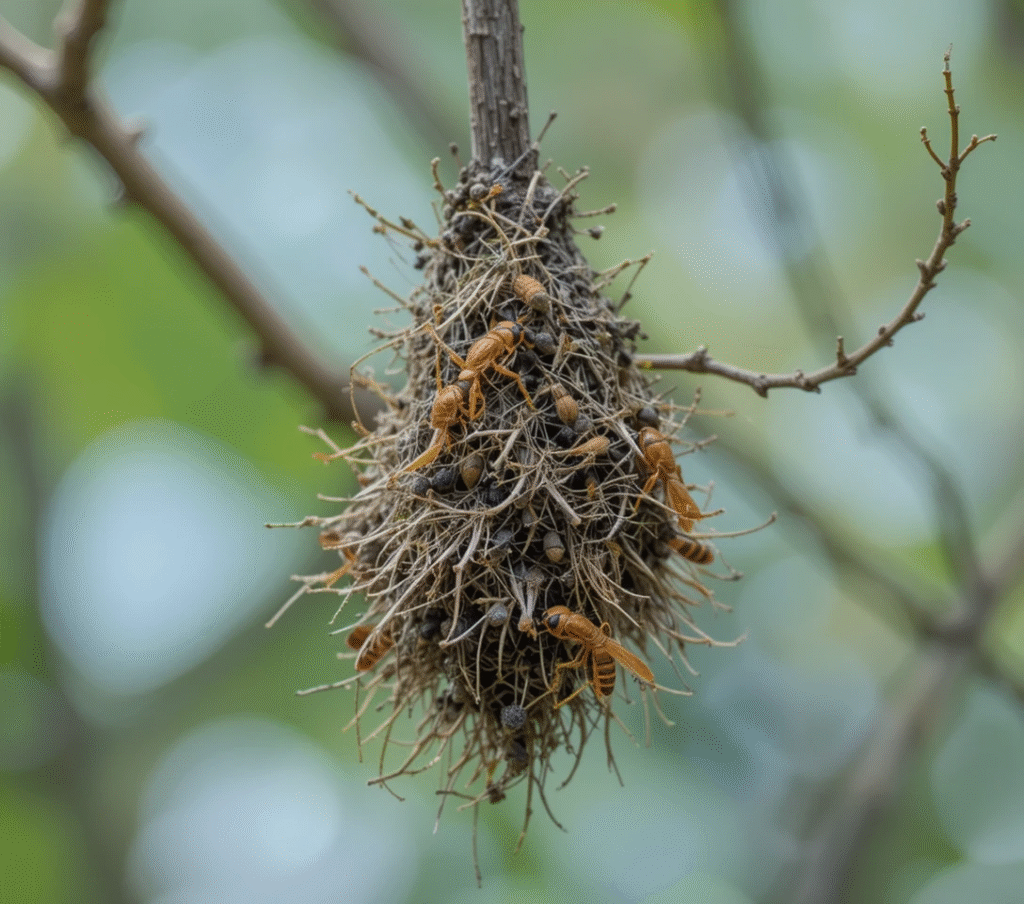
When it comes to enjoying your outdoor space in Lafayette, bald-faced hornets can turn a peaceful backyard into a danger zone. These large, aggressive insects create impressive but potentially hazardous nests that require prompt attention. At Smith IPM, we understand the importance of safe and effective pest management when dealing with these stinging insects. Identifying Bald-Faced Hornets Bald-faced hornets are often mistaken for other stinging insects, but they have distinctive characteristics that set them apart: Unlike beneficial pollinators, bald-faced hornets pose a significant risk to homeowners. Their powerful stingers can deliver multiple painful stings, and they will vigorously defend their colony if disturbed. Why Bald-Faced Hornet Nests Are Concerning While these hornets do provide some ecological benefits by controlling other insect populations, their nests near homes present serious concerns: The risk increases as summer progresses and the colony grows larger, making early identification and safe removal crucial for your family’s safety. Signs You Have a Bald-Faced Hornet Problem Recognizing the early indicators of a bald-faced hornet infestation can help you address the issue before it becomes more dangerous: The nests typically start small in spring when the queen begins construction, but they expand rapidly as worker hornets join the building process. DIY Bald-Faced Hornet Control: Proceed with Caution For homeowners determined to handle a small nest themselves, extreme caution is essential. Here are some guidelines of attempting DIY bald-faced hornet control: However, DIY methods come with significant risks, particularly with established nests. Many homeowners sustain painful stings attempting self-removal, and some experience allergic reactions requiring medical attention. Professional Bald-Faced Hornet Removal: The Safer Choice Given the dangers associated with bald-faced hornets, professional pest control offers the safest and most effective solution. At Smith IPM, our experienced technicians have the training, equipment, and knowledge to safely eliminate bald-faced hornet nests. Our approach includes: Professional service not only addresses your immediate hornet problem but also provides peace of mind knowing the job is handled safely and completely. Prevention Tips to Discourage Nesting Taking proactive steps can make your property less attractive to queens looking for nesting sites: Early vigilance is particularly important, as removing a small, newly-established nest is far easier and safer than dealing with a mature colony. When to Call Smith IPM for Bald-Faced Hornet Control While DIY bald-faced hornet control might seem cost-effective, the potential risks to your health and safety often outweigh any savings. Professional intervention is strongly recommended when: Smith IPM’s integrated pest management approach ensures not just the elimination of your current hornet problem, but also helps prevent future infestations through comprehensive service. Conclusion Bald-faced hornets present a genuine challenge for Lafayette homeowners. Their aggressive nature and potentially dangerous nests require knowledgeable handling. While DIY methods exist, professional pest management offers the safest, most effective solution for protecting your family and reclaiming your outdoor spaces. With over two decades of experience in integrated pest management across the Midwest, Smith IPM delivers quality pest control services with licensed, fully-trained service representatives. Our expertise with stinging insects like bald-faced hornets ensures your property remains safe and pest-free all season long. Don’t let bald-faced hornets take over your yard this summer. Contact Smith IPM at 765-268-0087 for a free 30-minute estimate and take the first step toward safely eliminating these aggressive pests from your property. Frequently Asked Questions About Bald-Faced Hornets Are bald-faced hornets actually hornets? Despite their name, bald-faced hornets are not true hornets. They’re actually a type of yellow jacket wasp. However, they’re larger than typical yellow jackets and have distinct black and white coloration, which is why they earned their common name of “hornets.” How dangerous are bald-faced hornet stings? Bald-faced hornet stings are quite painful and, unlike honeybees, they can sting multiple times. For most people, the stings cause temporary pain and swelling. However, for individuals allergic to their venom, stings can trigger severe reactions requiring immediate medical attention, including anaphylaxis in extreme cases. When is bald-faced hornet season in Lafayette? In Lafayette and surrounding areas, bald-faced hornet activity typically begins in late spring when queens emerge from hibernation to build new nests. Colonies peak in size during late summer (July-September), making these months particularly problematic for homeowners. Will bald-faced hornets return to the same nest next year? Bald-faced hornet nests are typically annual structures. The colony, including workers and males, dies off during winter. Only fertilized queens survive by hibernating in protected areas. Come spring, these queens will build entirely new nests rather than returning to old ones, though they may choose nearby locations if the environment is favorable. How can I tell the difference between bald-faced hornets and other stinging insects? Bald-faced hornets are distinguished by their black bodies with white markings, particularly on their face and thorax. They’re larger than yellow jackets (15-20mm) but smaller than European hornets. Their nests are distinctive gray, papery structures shaped like an upside-down teardrop, typically hanging from tree branches or building overhangs.
The Hidden Dangers of Paper Wasps: Why They Are a Threat to Your Home
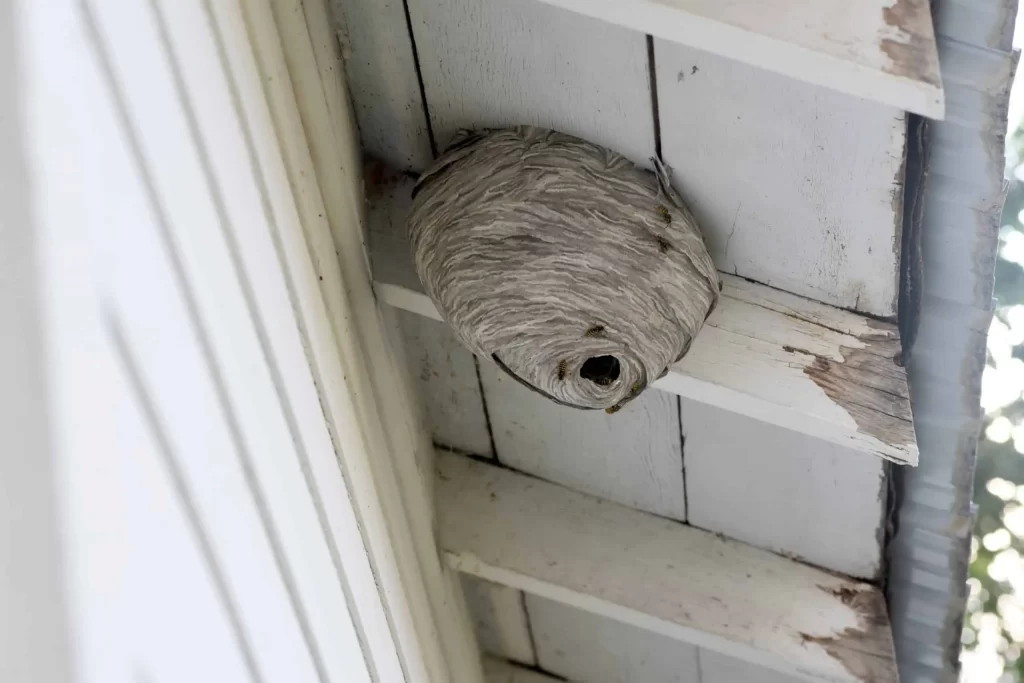
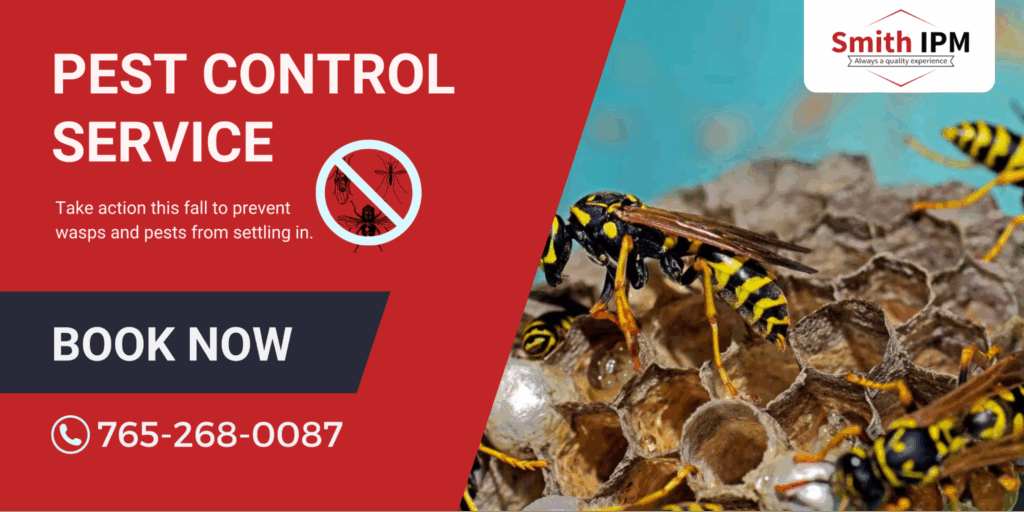
Paper wasps might seem like just another summer nuisance, but these stinging insects pose significant risks to your home and family that shouldn’t be underestimated. At Smith IPM, we’ve been providing expert pest control services for over two decades across nine Midwest states, and we’ve seen firsthand how paper wasp infestations can quickly escalate from a minor annoyance to a serious hazard. Understanding Paper Wasps Paper wasps are distinctive stinging insects that measure between 5/8 to 3/4 inches in length, typically displaying reddish-brown to black coloration with yellow markings. They earned their name from their unique nest-building behavior—scraping wood from houses and structures, then chewing it into a pulp to create their characteristic umbrella-shaped paper nests. Unlike some more docile insects, paper wasps are social creatures that aggressively defend their territory when threatened. This defensive behavior makes them particularly dangerous when nests are established near human activity. Why Paper Wasps Are Problematic for Homeowners Aggressive Defense Mechanisms While paper wasps aren’t typically aggressive when away from their nests, they become extremely territorial and defensive when they perceive their colony is under threat. A single disturbance to their nest—whether intentional or accidental—can trigger multiple wasps to attack simultaneously, resulting in painful, potentially dangerous stings. Structural Damage Concerns Beyond the immediate threat of stings, paper wasps can cause ongoing damage to your home. Their habit of scraping wood from houses, decks, and outbuildings for nest construction can, over time, damage wooden structures and compromise protective finishes on your home’s exterior. Health Risks from Stings Paper wasp stings are painful for everyone, but for those with allergies, they can be life-threatening. Even individuals without known allergies can develop severe reactions after multiple stings. Symptoms of serious reactions include: For families with young children or pets who might accidentally disturb a nest, the risk becomes even more significant, as they may not understand the danger or be able to escape quickly. Common Nesting Areas Around Your Property Paper wasps strategically build their nests in protected areas that offer shelter from the elements while providing easy access to food sources. Being aware of these common nesting sites can help you identify potential problem areas: What makes paper wasps particularly problematic is their preference for building nests around human dwellings, increasing the likelihood of unintentional encounters. The Annual Cycle of Paper Wasp Infestations Understanding the paper wasp lifecycle helps explain why these pests can become a recurring problem for homeowners: This continuous cycle means that even if you’ve addressed a paper wasp problem in the past, new queens can establish colonies on your property year after year without proper preventive measures. Professional Paper Wasp Control: The Safe Solution While do-it-yourself removal methods exist, they come with significant risks. Attempting to remove established paper wasp nests without proper training and equipment can lead to: Professional pest control services like Smith IPM offer comprehensive paper wasp management that addresses both immediate threats and long-term prevention: Preventive Measures for Paper Wasp Control While professional intervention is recommended for active infestations, homeowners can take several preventive measures to reduce the likelihood of paper wasps establishing nests: When to Call Professional Pest Control The ideal time to address paper wasp concerns is at the first sign of activity, before colonies grow large and aggressive. Consider contacting Smith IPM immediately if you: FAQs About Paper Wasps Are paper wasps beneficial in any way? While paper wasps do provide some ecosystem benefits by controlling certain garden pests like caterpillars and beetle larvae, these benefits rarely outweigh the risks they pose when nesting near human dwellings. Professional pest control can help manage wasps around your home while minimizing impact on beneficial insects in your garden. How can I tell the difference between paper wasps and other stinging insects? Paper wasps have distinctively slender bodies with long legs and narrow waists. Their nests are open-celled, umbrella-shaped structures without an outer covering, unlike the enclosed, football-shaped nests of hornets or the underground nests of yellowjackets. What should I do if I’m stung by a paper wasp? For minor reactions, clean the area with soap and water, apply ice to reduce swelling, and use over-the-counter pain relievers if needed. For signs of severe reactions (difficulty breathing, dizziness, nausea), seek immediate medical attention. If you’re uncertain about your reaction, it’s always better to consult a healthcare professional. How long does a paper wasp nest remain active? In the Midwest, paper wasp nests typically remain active from spring through fall, with peak activity in mid to late summer. Nests are abandoned in winter after reproductive females leave to find overwintering sites, but new nests will likely be constructed nearby the following spring if conditions remain favorable. Is it true that killing a paper wasp can attract more wasps? When paper wasps are crushed, they can release alarm pheromones that alert and agitate nearby colony members. This is why professional removal methods that minimize disturbance are most effective and safest. Don’t wait until paper wasps become a serious threat to your family’s safety and comfort. Contact Smith IPM today at 765-268-0087 for a free 30-minute estimate and comprehensive paper wasp control services. Our licensed, insured professionals have the expertise and equipment to safely eliminate these dangerous pests and help keep them from returning to your property.
Spring’s Spiders in Lafayette Indiana:
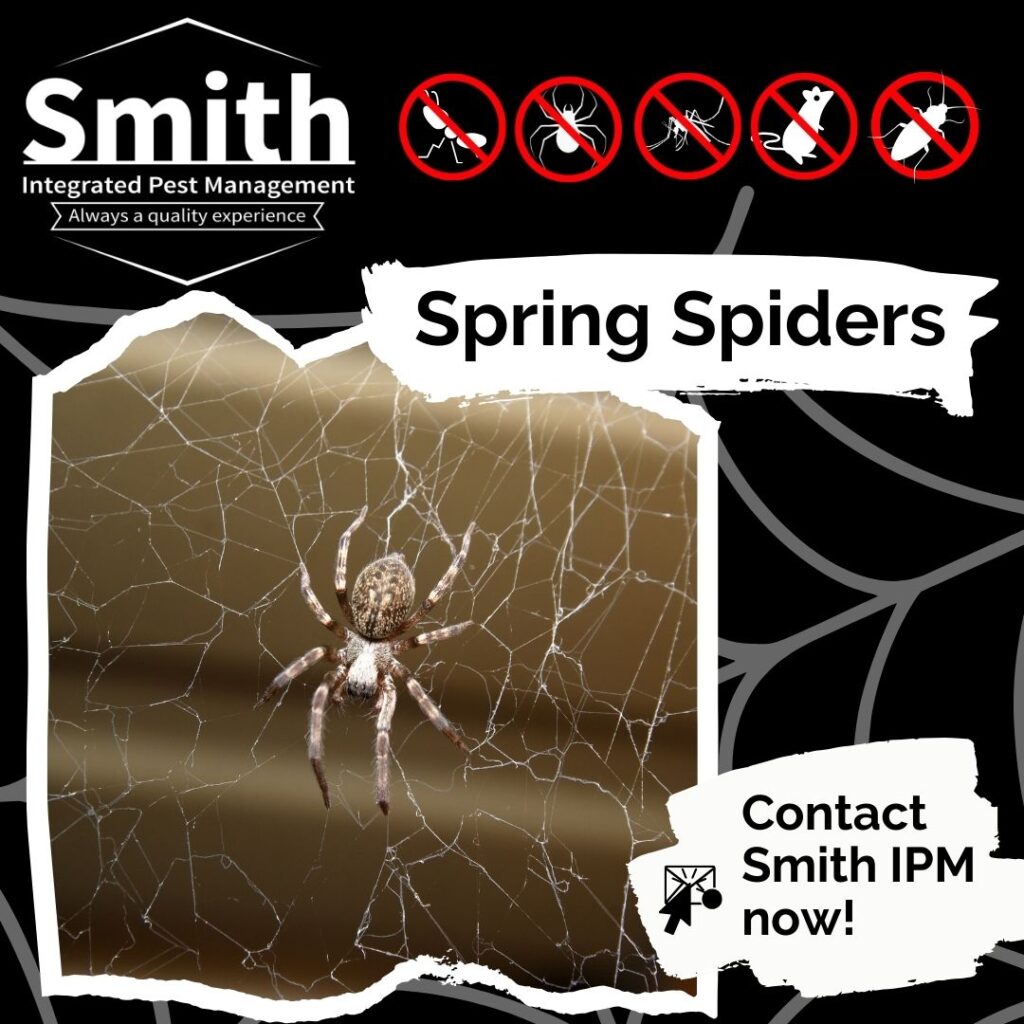
Nature’s Intricate Weavers As winter retreats and Indiana welcomes the warmth of spring, the natural world undergoes a subtle transformation. This is marked by the emergence of spiders in Lafayette, Indiana. These often misunderstood creatures play a vital role in the ecosystem, becoming more active as they spin intricate webs and hunt for food. With rising temperatures and increased insect activity, springtime in Lafayette sees spiders emerging from their winter hideouts to thrive once again. Their fascinating web-building behavior becomes evident, with delicate structures adorning wooded areas and backyards. The utility of these webs catch more than just other insects; the webs of spiders in Lafayette, Indiana open each day capturing the morning sunlight. Despite their reputation, spiders are beneficial predators, controlling insect populations without the need for harmful pesticides. From common house spiders to colorful orb-weavers, spiders in Lafayette boast a diverse array of species, each with unique characteristics. One of the most captivating aspects of spiders in Lafayette is their diverse habitats. Whether in urban neighborhoods, rural farmlands, or natural parks, spiders can be found weaving their intricate webs and contributing to the local ecosystem’s balance. While some may feel apprehensive about encountering spiders, especially in their homes, it’s essential to remember their positive impact. Spiders in Lafayette help keep pest populations in check, reducing the need for chemical interventions. Moreover, many spiders are harmless to humans and prefer to avoid human interaction whenever possible. As Lafayette’s landscape comes alive with the vibrant colors and fragrances of spring, take a moment. Appreciate the beauty and importance of spiders. Their role as nature’s pest controllers deserves admiration and respect, enriching the local environment in ways both seen and unseen. So, as you explore Lafayette’s outdoor spaces this spring, keep an eye out for these eight-legged inhabitants and marvel at the intricate web of life they contribute to, reminding us of the delicate balance of nature that surrounds us. To keep them out of your home or business trust the best for local pest management in the Greater Lafayette Indiana area, Smith Integrated Pest Management LLC. Jeromy SmithOwnerSmith Integrated Pest Managementwww.smithipm.comOffice: 765-268-0087