
How to Pest-Proof Your Basement and Crawl Space in Indiana Homes
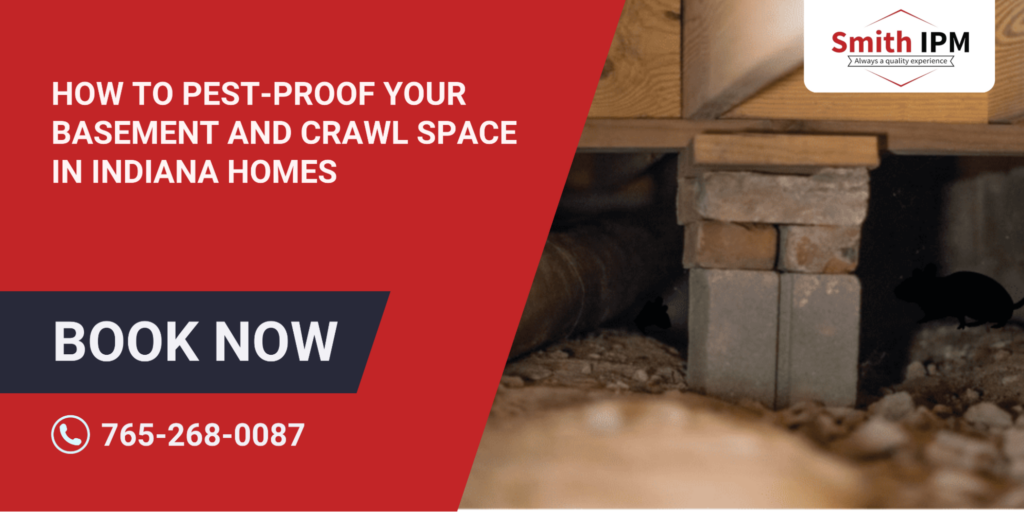
Basements and crawl spaces often serve as the starting point for pest problems in Indiana homes. These areas are dark, quiet, and often damp. That makes them ideal for rodents, spiders, ants, termites, silverfish, and other pests. A good pest control service can help when activity starts, but the best results come from prevention. If you want to keep pests out for the long term, you need to make your basement and crawl space less inviting in the first place. In Indiana, changing seasons also worsen the problem. Wet springs, humid summers, and cold winters can push pests toward sheltered areas under and inside the home. Moisture, cracks, wood-to-soil contact, and clutter all provide pests with what they need. The good news is that most pest-proofing steps are simple and practical. When you fix moisture, close entry points, improve storage, and check for early warning signs, you can lower your risk in a big way. This guide explains how to pest-proof your basement and crawl space in Indiana homes using clear, proven steps. It also covers which pests are most common, what conditions attract them, and when to call a professional. Why Basements and Crawl Spaces Attract Pests in Indiana Pests are always looking for three things: Basements and crawl spaces often provide all three. Even a very clean home can still have a pest issue if the lower level stays damp or has easy access points. Common reasons pests move in The U.S. Environmental Protection Agency says indoor humidity should stay below 60 percent, and ideally between 30 and 50 percent, to help prevent mold and moisture problems. Moisture control matters because damp areas also support many pest problems. Purdue notes that termites need wood for food and soil for moisture, and that wood in contact with soil is ideal for termite development. That makes crawl spaces and unfinished basements high-risk areas when moisture is present. The Pests Most Often Found in Indiana Basements and Crawl Spaces Different pests use these spaces in different ways. Some hide there. Some breed there. Others use them as a path into the living area. Rodents Mice and rats use crawl spaces and basements for warmth, nesting, and travel. The CDC says mice can fit through a hole about the width of a pencil, which means very small gaps can become entry points. Termites Subterranean termites are one of the biggest structural threats in Indiana. They move through soil and seek moisture-rich wood. Crawl spaces with damp wood or wood in contact with soil are a common source of risk. Spiders and crawling insects Spiders, centipedes, silverfish, earwigs, and ants often move into damp, low-light areas. These pests may not damage the structure, but they can spread throughout the rest of the home quickly when conditions remain favorable. Cockroaches Some cockroach species prefer damp, protected spaces near drains, pipes, and cracks. A cluttered basement can support hidden activity for a long time before the problem becomes visible upstairs. Quick Risk Table for Indiana Homeowners Condition in Basement or Crawl Space Pest Risk It Creates Best Fix Standing water or damp soil Termites, ants, roaches, silverfish Drainage correction and moisture control Humidity above 60 percent Mold, moisture pests, and wood damage Dehumidifier and ventilation review Gaps around pipes and wires Mice, rats, insects Seal openings with proper materials Wood touching soil Termites and carpenter ants Create clearance and replace damaged wood Cardboard storage and clutter Rodents, spiders, roaches Use plastic bins and keep the floor area open Unscreened vents Rodents, wasps, and insects Install tight-fitting screens Cracks in foundation walls Insects and rodents Seal and monitor regularly Step 1: Start with Moisture Control If you do only one thing, start here. Moisture is the main reason many pests stay active in lower levels of the home. What to check What to do Keep humidity in check Use a hygrometer to check humidity. Aim for 30 to 50 percent. If the area stays above that range, add a dehumidifier in the basement or have the crawl space reviewed for moisture control needs. EPA guidance supports keeping humidity below 60 percent to reduce mold and moisture issues. Move water away from the home Clean gutters and extend downspouts to drain water away from the foundation. Make sure the soil slopes away from the house. Small drainage issues can create long-term dampness below grade. Fix plumbing leaks fast Even a slow drip can support pests over time. Repair leaking valves, pipe joints, and appliance lines as soon as you see them. Cover bare soil in crawl spaces If your crawl space has exposed soil, moisture from the ground can rise into the space. A vapor barrier may help reduce moisture movement, depending on the structure and local conditions. Step 2: Identify Entry Points That Should Be Sealed Once moisture is under control, the next step is to plan exclusion. This means identifying the small openings pests use to get in and noting which areas should be sealed to help reduce pest access The CDC says to inspect inside and outside the home for gaps around the foundation, pipes, vents, floor drains, and utility lines, including in basements and crawl spaces. Areas to inspect closely Common materials homeowners or contractors may use for sealing Do not use soft foam alone in rodent-prone areas. Rodents can chew through weak materials. Step 3: Remove Clutter and Improve Storage A basement full of cardboard boxes is an easy shelter for pests. Clutter also makes inspections harder and gives rodents and insects more places to hide. Better storage habits This step also helps you spot droppings, shed skins, gnaw marks, and moisture problems sooner. Step 4: Protect Wood and Structural Areas Wood damage can begin where moisture and hidden pest activity meet. That is why crawl spaces deserve regular checks, even when no problem seems obvious. Focus on these risk points Purdue advises avoiding wood-to-soil contact because it supports termite activity. Smart prevention steps Step 5: Make Crawl Space Vents and
Signs of a Hidden Cockroach Infestation Most Homeowners Miss
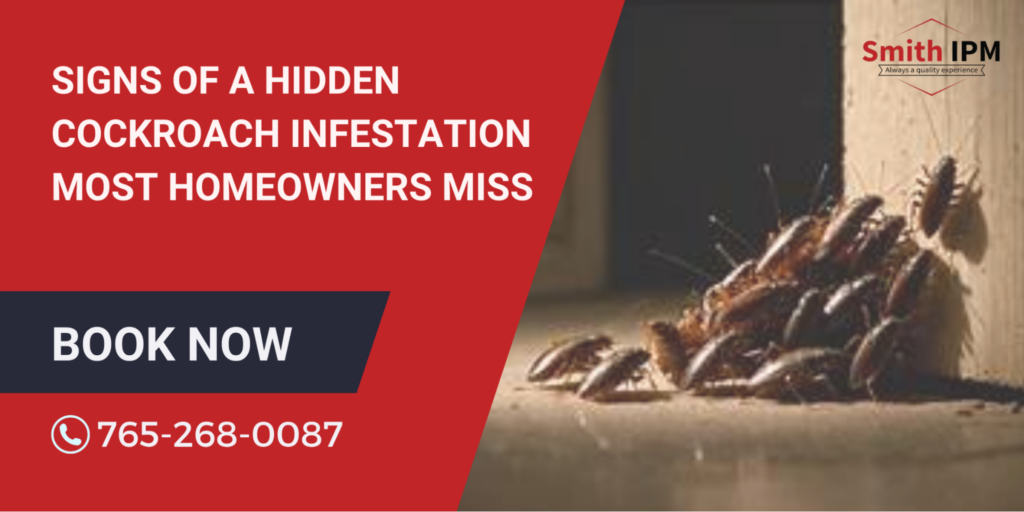
If you are worried about roaches but rarely see one, that does not always mean your home is clear. Cockroaches are experts at staying out of sight. They hide in walls, behind appliances, under sinks, and inside cluttered storage areas. Many homeowners only notice the problem after the infestation has grown. A smart pest control solution starts with spotting the signs early, before roaches spread through more rooms and become harder to control. This guide explains the hidden signs of a cockroach infestation most homeowners miss. It covers the clues roaches leave behind, why they often stay hidden, what health risks they can create, and when it is time to call a professional. If you want to protect your home, family, and food storage areas, learning these warning signs can help you act sooner and avoid a bigger problem. Cockroaches are more than an unpleasant sight. The U.S. Environmental Protection Agency says cockroaches and their droppings can trigger asthma and allergy symptoms, especially in children and people with breathing issues. EPA also notes that cockroach droppings, saliva, eggs, and shed outer coverings contain allergens. The National Institute of Environmental Health Sciences also links cockroach exposure with worse asthma symptoms. That is why early detection matters. Why cockroach infestations stay hidden for so long Cockroaches are mostly active at night. They prefer tight, dark, humid spaces close to food and water. That means a home can have a growing cockroach issue long before the first obvious sighting. Common hiding areas inside a home Because roaches avoid light and stay close to cracks and gaps, homeowners often miss the early signs. You may not see the insect itself, but you may notice what it leaves behind. The most common hidden signs of a cockroach infestation 1. Small droppings that look like pepper or coffee grounds Cockroach droppings are one of the first clues. Small species may leave droppings that look like black pepper or ground coffee. Larger roaches leave dark, blunt droppings that can look a bit like tiny pellets. Where to look If you keep cleaning the same dark specks and they return, it is a strong warning sign. 2. A musty or oily odor that seems to get worse A hidden roach infestation often creates a stale, musty smell. In heavier infestations, the odor can become strong and unpleasant. Many homeowners first think the smell is from old food, plumbing, or damp cabinets. This smell matters because it often shows the infestation has been there for a while. If one area of the kitchen, pantry, basement, or laundry room smells odd for no clear reason, take a closer look. 3. Smear marks on walls, shelves, or corners In damp spaces, cockroaches can leave brown smear marks where they travel. These marks are easy to miss because they often blend into corners, wall edges, and cabinet joints. Places where smear marks may show up If you see repeated staining in narrow travel paths, it may be more than dirt. 4. Egg cases in hidden places Cockroach egg cases are called oothecae. These cases are a major warning sign because they indicate breeding has occurred or is occurring nearby. You may find egg cases: They are usually small, brown, and capsule-shaped. If you spot even one, there may be many more hidden nearby. 5. Shed skins and body parts Young cockroaches shed their outer skin as they grow. These shed skins can collect in hidden spots and are easy to mistake for dust or insect debris. Look for: The EPA says cockroach outer coverings can contain allergens, which is one reason these signs should not be ignored. 6. Nighttime activity in the kitchen or bathroom A home may seem normal during the day, but roaches often come out after dark. If you turn on the kitchen or bathroom light at night and see movement, that is a strong sign. Even one or two visible roaches can point to a larger hidden problem. What nighttime sightings can mean Daytime sightings can be even more concerning. In many cases, seeing roaches during the day suggests overcrowding in hiding areas. Signs homeowners often mistake for something else Some clues do not look obvious at first. That is why hidden infestations can continue for weeks or months. Strange allergy or asthma flare-ups The EPA says pests like cockroaches can cause asthma symptoms such as coughing, chest tightness, wheezing, and trouble breathing. NIEHS also notes that cockroaches are a source of indoor allergens and are linked with worse asthma symptoms. If someone in the home starts having more indoor allergy issues, especially in the kitchen, basement, or near sleeping areas close to infested rooms, it may be worth checking for hidden pest activity. Damage to food packaging Cockroaches can get into weakly sealed dry goods, pet food, and snack packages. Small tears, unusual stains, or contaminated packaging in pantries can be clues. Dirty-looking cabinet corners that keep coming back If cabinet corners or shelf joints continue to look dirty even after cleaning, the problem may not be dust. Roach droppings and smear marks often collect in these exact places. Activity near water, even in a clean home Many homeowners assume roaches only show up in dirty spaces. That is not always true. Even clean homes can attract cockroaches if they offer water, warmth, and shelter. Leaks, condensation, wet sponges, pet bowls, and damp sink areas all help roaches survive. Quick table of hidden signs and what they may mean Hidden sign What it may mean Where to check first Black specks or pellet-like droppings Active feeding and travel areas Cabinets, pantry, under sinks Musty or oily odor Growing infestation Kitchen, laundry, and basement Brown smear marks Travel routes in humid spots Wall corners, near pipes Egg cases Breeding population Behind appliances, storage areas Shed skins Roaches are growing and multiplying Cracks, baseboards, cabinet edges Nighttime sightings Established hiding areas nearby Kitchen and bathroom Allergy flare ups indoors Possible allergen buildup Bedrooms near infested spaces, kitchen, living
Pest Control for Restaurants in Lafayette Staying Compliant With Health Inspections

Restaurants must meet strict health and safety rules. Clean kitchens, safe food storage, and pest prevention are all part of these rules. One pest sighting can cause serious problems during a health inspection. Pests such as rodents, cockroaches, flies, and ants carry bacteria that contaminate food and surfaces. Health inspectors look closely for signs of these pests. Even small problems can lead to warnings, fines, or temporary closure. For restaurant owners and managers, pest prevention is not optional. It is a key part of daily operations. Many local businesses rely on pest control Lafayette services to protect their kitchens and maintain compliance with food safety regulations. This guide explains how pests affect restaurants, what inspectors look for, and how to prevent infestations before they damage your reputation or your business. Why Pest Control Matters in Restaurants Restaurants provide everything pests need. • Food• Water• Shelter• Warm environments These conditions attract insects and rodents quickly. According to the Food and Drug Administration Food Code, food facilities must control pests to prevent contamination of food products. If pests enter a restaurant, they can spread harmful bacteria such as Salmonella, E. coli, and Listeria. The Centers for Disease Control and Prevention reports that foodborne illnesses affect about 48 million people each year in the United States. Many outbreaks begin with poor sanitation or pest contamination in food facilities. Common Pests Found in Restaurants Restaurants in Lafayette often face similar pest problems due to food waste, storage areas, and warm kitchens. 1. Cockroaches Cockroaches are one of the most dangerous restaurant pests. They spread bacteria and contaminate surfaces. They hide in • kitchen equipment• drains• storage rooms• wall cracks Cockroaches reproduce quickly and survive in small spaces. 2. Rodents Mice and rats often enter restaurants through gaps in walls or doors. They chew packaging, contaminate food supplies, and damage wiring. Rodents also leave droppings that can spread disease. 3. Flies Flies carry bacteria from trash and drains to food preparation areas. Common restaurant flies include • house flies• fruit flies• drain flies Flies are especially active near food waste and standing water. 4. Ants Ants enter restaurants in search of sugar and grease. They often appear near beverage stations, dish areas, and food prep counters. Once ants locate food sources, they quickly form trails that lead other ants into the building. 5. Stored Product Pests Some pests target dry food products. Examples include • grain beetles• flour moths• pantry beetles These pests infest stored ingredients such as flour, rice, cereals, and spices. Health Inspection Requirements for Restaurants Health inspectors check several areas when evaluating restaurants. Understanding these checks helps restaurant owners stay compliant. Key Inspection Areas Inspection Area What Inspectors Check Food storage Proper sealing and safe storage Cleanliness Sanitized surfaces and equipment Waste management Proper trash storage and removal Structural integrity No gaps or entry points for pests Pest activity Droppings, nests, insects, or rodents A single pest sighting may cause a restaurant to fail inspection. Local health departments follow rules based on the FDA Food Code and state regulations. Signs of Pest Activity in Restaurants Restaurant staff should watch for warning signs of pests. Early detection prevents serious problems. Droppings Rodent droppings often appear near food storage areas. Chewed Packaging Rodents chew food boxes and plastic containers. Dead Insects Dead cockroaches or beetles may appear in corners or storage rooms. Strong Odors Rodent infestations often produce a strong ammonia smell. Pest Sightings Seeing pests during the day usually means a larger infestation exists. Areas of Restaurants Most at Risk Certain areas attract pests more than others. Restaurant owners should monitor these spaces regularly. Kitchens Food crumbs and grease attract cockroaches and ants. Storage Rooms Dry ingredients attract pantry pests. Trash Areas Outdoor dumpsters attract flies and rodents. Drains Moist environments attract drain flies. Delivery Areas Open doors during deliveries allow pests to enter. How Pest Problems Affect Restaurant Reputation Customers expect restaurants to maintain high hygiene standards. A pest sighting in a dining area can spread quickly through social media and online reviews. Negative publicity can lead to • loss of customers• health department investigations• reduced ratings• revenue loss According to industry studies, a single viral photo of pests inside a restaurant can damage a brand for years. Maintaining strict pest prevention helps protect both reputation and customer trust. Integrated Pest Management for Restaurants Integrated pest management is the most effective strategy for food facilities. This approach focuses on prevention rather than reacting after infestations occur. Integrated pest management includes • monitoring pest activity• sealing entry points• sanitation improvements• targeted treatment methods This method reduces chemical use and focuses on long term solutions. Many commercial kitchens rely on this strategy to maintain food safety compliance. Restaurant Pest Prevention Checklist Restaurant owners can reduce pest risks by following these simple steps. Daily Tasks • clean food prep surfaces• remove food debris• empty trash containers• wipe grease buildup Weekly Tasks • inspect storage areas• clean drains• check for pest droppings• inspect door seals Monthly Tasks • inspect building exterior• repair cracks or holes• evaluate waste storage areas• review pest monitoring logs Consistent routines help reduce pest activity. Structural Maintenance Tips Pests often enter buildings through small openings. Restaurant managers should inspect the structure regularly. Important steps include • sealing wall cracks• repairing damaged screens• installing door sweeps• sealing gaps around pipes Even small openings allow pests to enter. Safe Food Storage Practices Food storage plays a major role in pest prevention. Follow these basic rules. Use sealed containers Store dry ingredients in airtight containers. Elevate storage Keep food at least six inches above the floor. Rotate stock Use older inventory first to avoid long term storage. Inspect deliveries Check incoming shipments for pest signs before accepting them. These practices reduce pest attraction. Waste Management Best Practices Trash areas attract flies and rodents quickly. Restaurants should manage waste carefully. Important steps include • using sealed trash containers• cleaning dumpsters regularly• removing garbage daily• keeping dumpster lids closed Outdoor trash areas should remain clean and
Signs You May Have a Rodent Problem in Your Home

Rodents such as mice and rats are common household pests. They can enter homes through small openings and quickly build nests inside walls, kitchens, attics, and basements. Many homeowners do not notice the problem until the infestation becomes large. Early detection is important. Rodents spread bacteria, damage property, and contaminate food. According to the Centers for Disease Control and Prevention (CDC), rodents can spread more than 35 diseases worldwide through urine, droppings, and bites. Understanding the warning signs helps you take action early and protect your home and family. If you live in Indiana, knowing these signals can help you decide when to contact a professional pest control service in Lafayette for proper inspection and treatment. This guide explains the most common signs of rodent activity, why they occur, and what homeowners can do to prevent infestations. Why Rodents Enter Homes Rodents look for three things. • Food• Water• Shelter Homes provide all of these. During colder months, rodents search for warm indoor areas. Small cracks, gaps around pipes, vents, and doors make easy entry points. Mice can squeeze through holes as small as a dime. Rats can enter through openings the size of a quarter. Once inside, they reproduce quickly. A single female mouse can produce 5 to 10 litters each year, according to the National Pest Management Association (NPMA). That is why early detection is important. Most Common Rodents Found in Homes Rodent Type Typical Size Common Hiding Areas House Mouse 2 to 4 inches Kitchen cabinets, walls, and pantry Norway Rat 7 to 9 inches Basements, crawl spaces Roof Rat 6 to 8 inches Attics, roofs, trees Each species behaves differently, but they leave similar signs of activity. 10 Signs You May Have a Rodent Problem 1. Rodent Droppings Droppings are often the first sign homeowners notice. Mouse droppings look like small dark grains of rice. Rat droppings are larger and thicker. Common areas where droppings appear include: • Kitchen drawers• Pantry shelves• Under sinks• Behind appliances• Inside cabinets Fresh droppings are dark and moist. Older droppings become dry and gray. Large amounts of droppings indicate active rodent activity. According to the U.S. Environmental Protection Agency, rodent droppings can carry bacteria that contaminate food and surfaces. 2. Scratching Noises in Walls Rodents are most active at night. Many homeowners hear scratching or scurrying sounds after sunset. Common noise locations include • Inside walls• Ceilings• Attics• Under floors Mice move quickly through wall cavities and insulation. Rats create louder noises because they are larger. If you regularly hear scratching sounds at night, rodents may be nesting nearby. 3. Gnaw Marks on Wood or Plastic Rodents must chew constantly to keep their teeth from growing too long. This behavior damages many household materials. Common items rodents chew include • Wooden furniture• Food containers• Electrical wiring• Plastic pipes• Baseboards Chewed electrical wires can increase the risk of fire. The National Fire Protection Association reports that rodents cause thousands of electrical fires each year by damaging wiring. 4. Grease Marks and Smudge Trails Rodents often travel along the same paths repeatedly. Their fur contains oils that leave dark streaks on walls and floors. You may see these marks near • Baseboards• Wall edges• Entry holes• Pipes and beams Grease marks become darker over time as rodents continue to use the same path. 5. Unusual Pet Behavior Pets often notice rodent activity before humans. Dogs and cats may • Stare at walls or cabinets• Scratch at floorboards• Bark or meow near hidden spaces Pets can hear and smell rodents that people cannot detect. Sudden changes in pet behavior may indicate the presence of hidden pests. 6. Nesting Materials Rodents build nests using soft materials. Common nesting materials include • Shredded paper• Fabric pieces• Insulation• Cardboard• Dryer lint These nests often appear in quiet areas such as • Attics• Behind appliances• Inside storage boxes• Inside walls Finding nesting materials is a strong sign of rodent activity. 7. Strong Musty Odor Rodents produce a strong ammonia-like smell from urine and droppings. The odor becomes stronger as infestations grow. You may notice this smell in • Pantries• Cabinets• Basements• Attics If the odor appears suddenly, rodents may be living nearby. 8. Food Packages with Bite Marks Rodents often search kitchens and pantries for food. Signs of contamination include • Holes in cereal boxes• Chewed snack bags• Spilled grains or crumbs• Bite marks on packaging Even small contamination can spread bacteria. The Food and Drug Administration (FDA) warns that rodent contamination can introduce harmful pathogens into stored food. 9. Footprints or Tail Marks Rodents leave small tracks in dusty areas. You may see footprints in • Basements• Garages• Attics• Crawl spaces A simple way to confirm activity is to sprinkle flour or powder on suspected areas overnight. Rodents crossing the area will leave visible tracks. 10. Live Rodent Sightings Seeing a mouse or rat during the day is a serious warning sign. Rodents usually hide during daylight hours. Daytime sightings often mean the population has grown large. If you see one rodent, more may be hiding nearby. Health Risks Linked to Rodents Rodents carry bacteria and viruses that affect humans. Some common diseases include Disease Transmission Method Hantavirus Rodent droppings and urine Salmonella Contaminated food Leptospirosis Water contaminated by urine Rat bite fever Rodent bites The Centers for Disease Control and Prevention reports that rodents can spread disease through • Droppings• Urine• Saliva• Bites• Contaminated surfaces Children, elderly people, and pets are especially vulnerable. Areas of the Home Most at Risk Rodents prefer quiet areas with limited human activity. High-risk locations include Kitchen Food and water sources attract mice and rats quickly. Attic Warm insulation provides ideal nesting material. Basement Basements offer dark and quiet hiding areas. Garage Stored boxes and clutter create shelter. Crawl Spaces Rodents can enter through foundation gaps. Regular inspections in these areas help detect problems early. Simple Prevention Tips for Homeowners Preventing rodents is easier than removing a large infestation. Follow these practical steps. Seal Entry Points Inspect your home
Why IPM Is Better for the Environment and Your Home?

Many homeowners want effective pest control without harming their family, pets, or the environment. Traditional pest control often relies on repeated chemical sprays that solve the problem temporarily but create new risks over time. This is where Integrated Pest Management (IPM) makes a real difference. IPM is a science-based approach that focuses on prevention, long-term control, and safety. Instead of reacting after pests appear, IPM works to stop pests before they become a problem. It uses a mix of inspection, monitoring, habitat changes, and targeted treatments only when needed. For homeowners seeking safer, smarter pest control in Lafayette, IPM offers clear benefits. It protects indoor air quality, reduces chemical exposure, and helps maintain a healthier living space. It also supports the environment by limiting unnecessary pesticide use. This guide explains what IPM is, how it works, and why it is better for both your home and the environment. The goal is to provide clear, practical information you can trust. What Is Integrated Pest Management (IPM)? Integrated Pest Management is a structured, research-backed method for controlling pests. According to the United States Environmental Protection Agency, IPM focuses on long-term prevention through a combination of techniques rather than relying on chemicals alone. Core Principles of IPM IPM follows a clear and logical process: This approach ensures pests are controlled effectively, responsibly, and safely. How IPM Differs From Traditional Pest Control? Traditional pest control often follows a spray-first approach. IPM focuses on prevention first. Feature Traditional Pest Control Integrated Pest Management Focus Killing visible pests Preventing pest problems Chemical use Frequent and broad Limited and targeted Long-term results Short-term relief Long-lasting control Environmental impact Higher Lower Safety for families Moderate risk Reduced risk IPM addresses the root causes of pest problems rather than just treating symptoms. Why Chemical Heavy Pest Control Can Be Harmful? Many homeowners are unaware of the long term effects of repeated pesticide use. While chemicals can kill pests quickly, they also carry risks. Health Risks Inside the Home Research from the Centers for Disease Control and Prevention shows that indoor pesticide exposure can affect: Common side effects include headaches, skin irritation, breathing problems, and nausea. Environmental Impact of Overuse Excess pesticide use can lead to: The EPA reports that less than one percent of applied pesticides reach the target pest. The rest enters the surrounding environment. How IPM Protects the Environment? IPM is designed to work with nature, not against it. Reduced Chemical Pollution Because IPM limits pesticide use, fewer chemicals enter: This helps protect ecosystems and wildlife. Protection for Beneficial Insects Not all insects are harmful. Many play important roles, such as: Broad-spectrum pesticides often kill beneficial insects along with pests. IPM uses targeted treatments to protect helpful species. Sustainable Long-Term Results IPM supports environmental balance. Controlling pests naturally and preventing infestations reduces the need for repeated treatments year after year. Why IPM Is Better for Your Home? IPM does more than protect the environment. It creates a safer and more comfortable home. Healthier Indoor Air Quality Repeated chemical sprays can affect indoor air. IPM focuses on identifying entry points and conditions that attract pests and providing recommendations to help homeowners address them, rather than relying on routine indoor spraying. Benefits include: Safer for Children and Pets IPM places safety first. Treatments are chosen carefully and applied only when needed. Key advantages: Long-Term Pest Prevention Instead of reacting to infestations, IPM prevents them by identifying and helping homeowners address: How does IPM Works Step by Step? IPM follows a structured process that ensures results without unnecessary risk. Step 1: Inspection and Identification Every IPM program starts with a detailed inspection. Professionals identify: Correct identification is critical for effective control. Step 2: Monitoring Pest Activity Monitoring helps determine: This prevents unnecessary treatments. Step 3: Prevention Through Habitat Changes Most pests enter homes in search of food, water, and shelter. IPM reduces these conditions by identifying risk areas and recommending improvements such as: Step 4 Targeted Treatment When Needed If pests persist, IPM uses targeted solutions such as: These methods focus on the pest rather than the entire environment. IPM vs Traditional Pest Control for Common Pests Ants Traditional sprays kill visible ants but leave the colony intact. IPM targets nests and removes food sources. Spiders IPM focuses on reducing the insects that spiders feed on and identifying entry points that should be properly sealed. Rodents Instead of relying on poisons alone, IPM emphasizes inspection, exclusion recommendations, sanitation improvements, and ongoing monitoring.. Mosquitoes IPM reduces standing water and breeding areas before using treatments. This approach leads to stronger and longer-lasting results. Statistics That Support IPM IPM is not a trend. It is backed by data. Is IPM More Cost-Effective Over Time Many homeowners think IPM costs more. In reality, it often saves money. Why IPM Reduces Costs Cost Factor Traditional IPM Initial cost Lower Moderate Repeat visits Frequent Reduced Long-term cost Higher Lower IPM focuses on solving the problem correctly the first time. IPM and Modern Home Construction New homes are not immune to pests. In fact, modern construction can create hidden entry points. IPM evaluates conditions such as: and provides guidance to help homeowners correct these vulnerabilities. When is IPM the Best Choice? IPM is ideal if you: It is also recommended by many government and health organizations. Common Myths About IPM Many homeowners hesitate to choose Integrated Pest Management because of common misunderstandings. Let us clear them up. Myth 1: IPM Takes Too Long One of the biggest myths is that IPM works slowly. In reality, IPM acts quickly when pest activity requires immediate action. The difference is that it avoids unnecessary treatments. Instead of repeated spraying, IPM focuses on stopping the problem at its source. This leads to faster long-term results and fewer repeat infestations. Myth 2: IPM Does Not Use Chemicals Some people believe IPM never uses chemicals. That is not true. IPM allows chemical treatments when they are necessary. The key difference is how and when they are used. Products are applied in targeted
Top 5 Pest Problems West Lafayette Homeowners Face Every Year

Living in West Lafayette has many benefits. It is a friendly college town with strong neighborhoods, parks, and family homes. But like most Indiana cities, it also has recurring pest problems. Seasonal weather changes, older homes, nearby wooded areas, and moisture problems all play a role. For many homeowners, pest problems do not appear once. They come back again and again. This is why pest control lafaytte indiana searches increase during spring and summer. Local homeowners want answers, not sales talk. They want to know what pests are common, why they keep coming back, and how to stop them for good. This guide explains the top five pest problems West Lafayette homeowners face every year, based on local trends, climate patterns, and real service data. It also explains when pests appear, what damage they cause, and what steps can help prevent infestations. This article is written to help homeowners, renters, and property managers make informed decisions and protect their homes year-round. Why Pest Problems Are Common in West Lafayette? West Lafayette sits in Tippecanoe County and experiences all four seasons. Each season brings a different pest threat. Key local factors include: According to the National Pest Management Association, over 90 percent of homeowners in the Midwest report at least one pest issue each year. Indiana ranks high for ants, spiders, rodents, and mosquitoes. Top 5 Pest Problems West Lafayette Homeowners Face Every Year 1. Ant Infestations in Kitchens and Bathrooms Ants are the most common household pest in West Lafayette. They appear early in spring and remain active through fall. Why are ants a yearly problem? Ants look for food and water. Even clean homes attract them. Common causes include: Once ants find a food source, they leave scent trails. This causes repeat infestations. Most common ants in West Lafayette Ant Type Where Found Main Risk Pavement ants Driveways, walls Food contamination Carpenter ants Wood structures Structural damage Odorous house ants Kitchens Rapid spread Carpenter ants are a serious concern. They do not eat wood, but they hollow it out. Over time, this weakens beams and walls. DIY sprays often kill visible ants but do not eliminate the colony or address the conditions attracting them. This is why ant problems return each year without a prevention-focused plan. 2. Spiders Inside Homes and Garages Spiders are among the most frequently reported pest complaints in West Lafayette, especially in late summer and fall. Why spiders keep coming back Spiders enter homes for shelter and food. If insects are present, spiders will follow. Common hiding spots include: Indiana is home to over 400 spider species, according to Purdue University Extension. Most are harmless, but their presence causes stress for homeowners. Spiders are commonly found in West Lafayette While most are not dangerous, some homeowners worry about bites, especially around children. Why is spider control difficult? Spiders do not groom themselves. This makes many sprays less effective. Long-term control focuses on removing insects and webs. 3. Mosquito Problems During Warm Months Mosquitoes are a major outdoor pest from late spring through early fall. Why mosquitoes thrive locally? West Lafayette has: Mosquitoes can breed in as little as one inch of water. Common breeding areas include: Health risks According to the Centers for Disease Control and Prevention, mosquitoes can spread: Indiana reports West Nile cases almost every year. Why yard treatments matter Indoor sprays do nothing for mosquitoes. Effective control focuses on outdoor resting areas like shrubs, decks, and fence lines. 4. Rodents Entering Homes in Fall and Winter Rodents become a major problem as temperatures drop. Common rodents in West Lafayette Rodents can enter homes through gaps as small as a quarter inch, often through foundation cracks, utility penetrations, and attic openings. Risks caused by rodents The CDC reports that rodents can spread over 35 diseases worldwide. Signs of rodent activity Rodents breed quickly. One pair of mice can produce dozens of offspring in a year. 5. Wasps and Stinging Insects Around Homes Wasps are a serious seasonal issue from late spring to early fall. Common wasps in West Lafayette Wasps build nests under eaves, decks, and siding. Why are wasps dangerous? According to the National Safety Council, stinging insects cause over 60 deaths per year in the United States. Why nest removal is risky DIY removal often leads to stings. Professional removal reduces risk and prevents repeat nesting. Seasonal Pest Activity Calendar for West Lafayette Season Common Pests Spring Ants, termites, wasps Summer Mosquitoes, spiders, flies Fall Rodents, spiders, ants Winter Mice, rats, and occasional spiders This cycle repeats every year. Prevention works best when planned seasonally. Why Year-Round Pest Prevention Works Better? One-time treatments offer short relief. Pests return because conditions remain. Year-round protection focuses on: Integrated Pest Management uses these steps to reduce pest pressure over the long term. You can learn more about IPM from the Environmental Protection Agency at epa.gov. Simple Steps Homeowners Can Take These steps help, but professional inspections catch hidden issues. Frequently Asked Questions What is the most common pest problem in West Lafayette homes? Ants are the most common issue, followed by spiders and rodents. When should I schedule pest control service? Spring and fall are ideal. Many homeowners choose quarterly service for year-round protection. Are pests worse in older homes? Yes. Older homes often have more entry points and are more prone to moisture problems. Can pests cause health problems? Yes. Rodents and mosquitoes pose the highest health risks. Is professional pest control worth it? Professional services focus on prevention, not just removal. This reduces the risk of repeat infestations and long-term costs. Final Thoughts Pest problems in West Lafayette are not random. They follow predictable seasonal patterns. Ants, spiders, mosquitoes, rodents, and wasps return each year because conditions allow them to thrive. Homeowners who understand these patterns can take action before pests become a serious issue. Long-term prevention protects your home, your health, and your peace of mind. For homeowners seeking local, prevention-focused pest protection backed by experience and care, Smith IPM
When Do Wasp Nests Become Dangerous Near Your Home?

Wasp nests become dangerous near your home when the colony grows larger, the wasps become more protective, and human activity brings people too close to the nest. This risk increases as the season progresses, especially during late summer and early fall. During this time, wasps are more aggressive, more likely to sting, and more active around homes, patios, and entryways. A small nest in early spring may not seem like a threat, but as it expands, the danger rises quickly. Spring is the most critical time of year for pest control in Lafayette, so homeowners must prioritize it. Larger nests contain more workers, increasing the likelihood of defensive stings when the nest feels disturbed. Wasp stings can cause pain, allergic reactions, and medical emergencies for some people. Knowing when a wasp nest becomes a serious risk helps homeowners act early and avoid injury. This guide explains how wasp nests develop, when they become dangerous, where they are commonly found, and what steps you should take to keep your home and family safe. Understanding Wasp Behavior Around Homes Wasps are not aggressive without reason. They sting to protect their nest. Key facts about wasps: According to the Centers for Disease Control and Prevention, wasp stings send thousands of people to emergency rooms each year due to allergic reactions and multiple stings. When Wasp Nests Become Dangerous? Early Spring: Low Risk but Growing In early spring, a single queen begins building a small nest. At this stage: While the risk is lower, this is the best time for safe removal. Late Spring to Early Summer: Moderate Risk By late spring: Wasps begin defending the nest more actively. Accidental encounters near doors, eaves, or sheds can lead to stings. Late Summer to Early Fall: Highest Risk Period This is when wasp nests become most dangerous. Reasons include: According to Penn State Extension, late summer is the peak time for wasp stings because colonies are large and defensive. The Defensive Behavior of Wasps Wasps are highly protective of their nesting areas and react quickly when they feel threatened. Unlike bees, which can only sting once, wasps can sting multiple times. When a nest is disturbed, wasps become defensive and release chemical signals that warn the rest of the colony. This reaction can cause several wasps to attack at once, increasing the risk of repeated stings. Multiple stings can be excruciating and may trigger severe allergic reactions in some people. For individuals with a wasp allergy, even a single sting can be dangerous and may require immediate medical care. You can identify a wasp nest by looking at the species, its location, and how the wasps behave around it. Hornet nests are made up of hexagon-shaped cells similar to honeybee hives, but these cells are enclosed within a gray, paper-like outer layer. This protective covering typically has a single opening at the bottom for entry and exit. In contrast, paper wasp nests are open, umbrella-shaped structures with visible cells that often hang upside down and are not fully enclosed. Allergic Reactions and Health Concerns For people with allergies, a wasp sting can be far more serious than simple pain. An allergic reaction may cause mild symptoms, such as swelling and itching at the sting site, or more severe effects, such as breathing trouble, lightheadedness, or loss of balance. In severe cases, a sting can lead to anaphylaxis, a dangerous reaction that can become life-threatening without quick medical treatment. With roughly 30,000 known wasp species identified by National Geographic, nesting habits can differ widely based on the species, local environment, and climate. Even for people without known allergies, repeated wasp stings or stings to sensitive areas of the body can pose serious health risks. Multiple stings may overload the body’s immune response, leading to a condition known as systemic toxicity. Although uncommon, this reaction can cause complications such as kidney stress, liver damage, or other widespread health issues. Because of these risks, it is vital to handle wasp nests quickly and with professional care to reduce the chance of stings and protect overall health. Why Are Wasps More Aggressive Late in the Season? Several factors increase danger as the season goes on: This is why many stings happen in August and September. Common Places Wasp Nests Become Dangerous Wasp nests near homes are most hazardous when located in areas that people use daily. High-risk locations include: A nest near frequent foot traffic significantly increases the chance of stings. Risk Level of Wasp Nests by Season Season Nest Size Aggression Level Danger Risk Early Spring Small Low Low Late Spring Medium Moderate Medium Summer Large High High Early Fall Largest Very High Severe Why Wasp Stings Are a Serious Concern? Wasp stings are not just painful. They can be dangerous. Health risks include: The CDC reports that allergic reactions to insect stings can be life-threatening without fast treatment. Signs a Wasp Nest Is Becoming Dangerous Watch for these warning signs: If you notice these signs, the risk level is already high. Why Is DIY Nest Removal Is Risky? Many homeowners attempt to remove nests on their own. This often leads to injury. DIY removal risks include: The Environmental Protection Agency warns against improper pesticide use and unsafe methods for removing nests around homes. What to Do If You Find a Wasp Nest? If you discover a nest near your home: Early action prevents serious incidents. Preventing Wasp Nests Around Your Home Prevention reduces long-term risk. Helpful steps include: Routine checks during spring can prevent nests from forming. Professional Wasp Nest Removal Because wasp nests pose real safety risks, it is best to rely on trained professionals for proper removal. Experienced pest control specialists have the knowledge, tools, and protective equipment needed to handle wasp nests safely. They can correctly identify the wasp type, locate the nest, and use appropriate treatment methods to remove it without endangering homeowners, family members, or themselves. While it is difficult to see a full nest that is underground, a sure-fire way
Why Are Spiders More Active Inside Homes During Winter in Lafayette?

During winter in Lafayette, Indiana, many homeowners notice more spiders inside their homes. This often leads to concern and confusion. People wonder why spiders suddenly appear in basements, bathrooms, garages, and corners when it is cold outside. This behavior is normal and predictable. Spiders move indoors for warmth, shelter, and food. This guide explains why spiders become more active indoors during winter, what attracts them, and how pest control in Lafayette solutions help protect your home. The information below is written to help homeowners, renters, and property managers understand spider activity using clear facts and simple steps. Winter spider activity indoors is not a sign of poor hygiene. It is a natural response to the weather changes common in Indiana. When temperatures drop, spiders look for stable environments. Homes provide steady warmth, moisture, and protection from insects. Learning how spiders behave in winter allows homeowners to reduce sightings and prevent infestations safely and effectively. Understanding Winter Weather in Lafayette, Indiana Lafayette experiences cold winters with freezing temperatures, snow, and low humidity. According to the National Weather Service, average winter temperatures in Indiana often fall below freezing for extended periods. Outdoor insects become inactive or die, and spiders lose access to food and shelter. Spiders are cold-blooded. They cannot regulate body temperature. When outdoor conditions drop below their tolerance level, survival becomes difficult. Many spiders die outdoors, but others adapt by moving into protected structures such as homes, sheds, and commercial buildings. Key winter conditions that affect spiders include• Prolonged freezing temperatures• Snow cover that removes outdoor hiding places• Reduced insect activity outdoors• Dry air that forces spiders to seek moisture These factors push spiders toward human structures in Lafayette and nearby communities. Why Spiders Enter Homes During Winter? Spiders Seek Warmth Homes stay warm during winter. Heating systems keep indoor temperatures stable. Even unheated spaces like garages are warmer than outdoor air. Spiders sense these temperature differences through small gaps and openings. Once inside, they remain active because warmth supports their metabolism. Homes Offer Shelter and Safety Outdoor spider habitats such as wood piles, leaf litter, and garden beds become harsh during winter. Snow and ice destroy webs and hiding spots. Inside homes, spiders find walls, ceilings, crawl spaces, and storage areas that protect them from weather and predators. Indoor Insects Provide Food Spiders follow food. Many insects also move indoors during winter, including flies, ants, and small beetles. According to the University of Kentucky Entomology Department, spiders often enter homes because prey insects are already inside. Where insects go, spiders follow. Cracks and Gaps Make Entry Easy Most homes in Lafayette have small structural openings. Common entry points include• Door gaps• Window frames• Utility line openings• Foundation cracks• Vents and siding seams Spiders do not chew or damage structures. They simply use existing gaps to enter. Are Spiders More Active or Just More Visible? Many homeowners believe spiders become more active in winter. In reality, spiders are easier to see indoors. They were already present in wall voids and hidden spaces. Winter forces them into visible areas as they search for food and moisture. Reducing clutter outdoors also contributes. Without leaves and debris outside, spiders move to indoor corners, ceilings, and storage areas. Common Spiders Found Indoors During Winter in Lafayette House Spiders House spiders are the most common indoor spiders in Indiana. They build webs in corners, basements, and attics. They pose no threat to humans. Wolf Spiders Wolf spiders do not build webs. They hunt insects on the ground. Homeowners often see them in basements and garages during winter. Their large size causes alarm, but they are not aggressive. Cellar Spiders Also called daddy long-legs, cellar spiders prefer damp areas like basements and crawl spaces. They feed on other insects and even other spiders. Jumping Spiders Jumping spiders may enter homes but remain less active in winter. They are harmless and often seen near windows. Are Winter Spiders Dangerous Most spiders in Lafayette are harmless. According to the Centers for Disease Control and Prevention, spider bites are rare and usually mild. Indiana does have brown recluse spiders, but confirmed populations are limited, and misidentification is common. Key spider safety facts• Spiders avoid humans• Bites happen only when spiders are trapped or threatened• Most bites cause mild redness or itching• Serious reactions are rare Spiders also help control indoor insect populations. Why Spider Activity Increases in Basements and Bathrooms? Moisture Attracts Spiders Basements and bathrooms provide moisture. Spiders need water to survive. Leaks, condensation, and damp air create ideal conditions. Insects Gather Near Water Moist areas attract insects like silverfish and flies. This provides food for spiders. Limited Disturbance Basements and storage areas often receive less human traffic. Spiders prefer quiet spaces where webs remain undisturbed. How Long Do Spiders Stay Indoors During Winter? Spiders may remain indoors throughout winter and into early spring. Once inside, they rarely leave voluntarily. Many spiders die naturally due to age. Others reproduce, leading to increased sightings. Spring warmth does not always push spiders back outdoors. Instead, they may remain inside unless removed or excluded. Signs of a Growing Spider Problem Occasional spider sightings are normal. A growing problem may include• Frequent web buildup• Spiders seen daily• Presence of egg sacs• Increased insect activity indoors These signs suggest conditions that support spiders year-round. Preventing Spiders From Entering Your Home Seal Entry Points Seal cracks and gaps with caulk and weatherstripping. Pay attention to foundations, windows, and doors. Reduce Indoor Insects Control insects to remove their food sources. Clean kitchens, fix leaks, and store food properly. Declutter Storage Areas Remove boxes, papers, and unused items. This reduces hiding spots. Control Moisture Use dehumidifiers in basements. Repair leaks and improve ventilation. Outdoor Maintenance Trim vegetation away from your home. Remove leaf piles and wood stacks near foundations. Winter Spider Prevention Checklist Indoor Spider Control Methods Vacuuming Vacuum spiders, webs, and egg sacs. Dispose of the vacuum bag immediately. Sticky Traps Sticky traps help monitor spider activity. Place them in basements and along walls.
Why Do Ants Return Every Spring in Indiana Homes?

Every spring, ants return to Indiana homes because rising temperatures, melting snow, and increased moisture wake up dormant colonies and push them to search for food, water, and new nesting areas. When the soil warms, ants become active again after spending winter hidden deep underground or inside protected spaces. Spring rains often flood outdoor nests, which drives ants toward dry, warm places like kitchens, basements, and wall gaps. At the same time, food sources inside homes become easy targets for hungry scout ants looking for sugars, grease, crumbs, and moisture. Once one scout finds food, it leaves a scent trail that brings in more ants, creating the sudden trails many homeowners notice each spring. This annual ant activity is a natural part of their life cycle. Spring is the season when colonies grow, new ants hatch, and reproductive ants search for places to build additional nests. Homes provide what ants need most during this time: stable temperatures, hidden entry points, reliable food, and steady moisture. This article explains the main reasons ants come back every spring in Indiana and shows practical steps you can take to prevent them, reduce their activity, and keep your home protected. What Happens to Ants During Winter? Dormancy and Reduced Activity Survival Through Shelter Thus many ant colonies survive winter waiting for favorable conditions. Once spring arrives, they quickly resume full activity. Why Does Spring Trigger Ant Activity? Spring changes multiple environmental conditions at once and together they create a perfect setting for ants to re-emerge, forage, and expand. Here’s what drives them: 1. Warmer temperatures reactivate ants’ metabolism and movement 2. Increased moisture and spring rains can flood nests 3. Food becomes more available outdoors and indoors 4. Colony growth and “nuptial flights” lead to population expansion 5. New entry points appear because of freeze-thaw cycles Together, these factors make spring the perfect time for ants to emerge, forage, expand their colony, and enter homes in search of food, water, and shelter. What Types of Ants Invade Indiana Homes in Spring? While many ant species live outdoors in Indiana, a few are particularly common indoors during spring. Some frequent invaders include: Ant Species / Type Common Behavior in Spring Small “sugar ants” like odorous house ants, pavement ants Forage for sweets, grease, food crumbs; enter kitchens and pantries. Larger ants like carpenter ants Seek moist or decaying wood; may nest in structural wood or wall voids. Ant species that nest underground After nest flooding or soil warming, migrate indoors or create satellite colonies near home foundations. Because of this variety, ants in spring can appear almost anywhere: kitchen counters, bathroom sinks, cracks in walls, basements, or even in planters making them unpredictable and hard to control unless you take preventive steps. Why Ants Keep Returning Each Spring? Even After You Clean and Seal? Many homeowners experience the same frustrating cycle every spring: clean thoroughly, seal the house, maybe even spray insecticide and still ants come back as soon as the weather warms. Here’s why these “temporary fixes” often fail: Dormant colonies hidden inside wall voids or under flooring Spraying kills visible ants, not the colony New reproductive ants each year create fresh colonies Entry points re-open or go unnoticed All this makes periodic spring reinfestations almost inevitable unless you take more comprehensive, year-round prevention steps. How to Prevent and Control Spring Ant Infestations? Understanding why ants return every spring helps you act more effectively. The following strategies, if used together, can significantly reduce the chance of an ant invasion in your home. Clean, Sanitize and Manage Food Manage Moisture and Water Sources Seal Entry Points and Maintain Home Integrity Use Baits Instead of Sprays (When Infestation Begins) Regular Monitoring and Early Action Consider Integrated Pest Management (IPM) Approach Using a comprehensive, multi-pronged approach combining cleanliness, structural maintenance, moisture control, and monitored baiting yields the best long-term results. IPM focuses on prevention and minimal chemical use while targeting the root cause. Seasonal Ant Activity: What to Expect in Indiana Ant activity does not just begin in spring and end in summer. Here’s a breakdown of typical ant activity through the seasons (in Indiana and similar temperate climates): Season Ant Behavior What Homeowners Should Watch Recommended Actions Early Spring (March–April) Dormant colonies start waking up. Scout ants may appear indoors. Queens start laying eggs; worker ants forage. First indoor sightings, small scout ants, moisture around foundation. Seal entry points, clean kitchen, inspect moisture, set bait stations. Late Spring (May–June) Foraging intensifies; colony expands, nuptial flights may occur; satellite colonies may form. Visible ant trails, multiple entry points, new mounds near exterior. Monitor foundation, baiting, landscape maintenance. Summer (July–August) Peak ant activity. Foraging, food gathering, brood care. Frequent sightings, greasy/sweet food spills attract ants. Maintain cleanliness, manage water, continue monitoring. Fall (September–October) Activity gradually slows outdoors; some ants may move indoors for warmth. Ants near moisture sources, windows, or warm indoor areas. Seal gaps before winter, fix leaks, clean thoroughly. Winter (November–February) Outdoor ants are mostly dormant; indoor colonies may remain active. Sporadic sightings if ants settled indoors. Inspect hidden spaces, maintain cleanliness, plan spring prevention. This table illustrates why a year-round prevention plan is far more effective than one-time cleaning or spraying. Frequently Asked Questions (FAQ) Here are some commonly asked questions and answers related to spring ant invasions. Q: When does “ant season” start and end in Indiana? Most ant species in Indiana begin activity in early spring, once soil temperatures warm up and days get longer. Ant season peaks in late spring to early summer. As temperatures drop in fall and winter returns, most ants reduce activity or become dormant. Q: Why do ants invade my kitchen specifically in spring? In spring, ants wake up hungry. Kitchens often provide the easiest access to food sugary or greasy leftovers, crumbs, pet food, or spills. Even tiny bits are enough to attract scout ants. Once scouts find food, they leave scent trails for others to follow, leading to visible ant paths. Also, moisture nearby from
When Is the Best Time to Control Mosquito Breeding Around Your Indiana Home?

The best time to control mosquito breeding around your Indiana home is early spring, usually starting in April, when temperatures consistently rise above 50 degrees and mosquito eggs begin to hatch. Taking action at this stage allows us to interrupt the mosquito life cycle before populations explode, reducing the number of biting mosquitoes you experience throughout late spring and summer. At Smith IPM, we focus on mosquito breeding control programs as part of our prevention-first approach to pest control in Indiana, not short-term spraying. By targeting mosquitoes at the breeding stage, we prevent larvae from developing into adults and stop the cycle before mosquitoes take over your yard. Early intervention provides stronger, longer-lasting population control and supports a healthier outdoor environment for your family. Indiana’s spring weather creates ideal mosquito conditions. Rainfall fills standing water, warm temperatures accelerate egg hatching, and shaded areas become breeding zones. Mosquito eggs can hatch in as little as 48 hours, which means waiting too long allows thousands of mosquitoes to mature quickly. A proactive breeding control program keeps mosquito numbers low before peak season arrives. This guide explains how mosquito season works in Indiana, why early breeding control matters, and how Smith IPM uses mosquito breeding control devices to manage mosquito populations around homes all season long as part of a responsible pest control Indiana strategy. Understanding Mosquito Season in Indiana Mosquito activity in Indiana follows a predictable seasonal pattern tied closely to temperature, rainfall, and humidity. Understanding this cycle helps homeowners choose the best time to start mosquito breeding control. When Mosquitoes Become Active Mosquitoes become active when: This typically occurs in late March or early April, when dormant eggs begin hatching and larvae start developing. Peak Mosquito Months The highest mosquito activity in Indiana occurs during: These months bring heat, rain, and humidity — ideal conditions for mosquito breeding and rapid population growth. Late-Season Activity Mosquitoes remain active until: This usually happens in late September or early October, which is why late-season prevention still matters. Why Early Spring Is the Best Time for Mosquito Breeding Control? Stopping mosquitoes before they mature is the most effective way to reduce biting pressure around your home. Mosquito Eggs Hatch Quickly Mosquito eggs laid in spring can hatch within 48 hours under the right conditions. By placing mosquito breeding control devices early, we prevent larvae from ever becoming adults. You Prevent the First Population Surge When breeding is controlled early: This results in noticeably fewer mosquitoes throughout the summer. Early Control Creates Long-Term Results Breeding control devices work continuously, reducing mosquito populations over time rather than offering short-term relief. Early placement allows these systems to work before mosquito numbers spike. You Stop Backyard Breeding Zones Spring rain fills common breeding areas such as: Mosquito breeding control programs target these problem areas and interrupt reproduction before larvae develop. Mosquito Breeding Control Timing Throughout the Year Early Spring: March to April – Start the Program This is the most important time to begin mosquito breeding control. What happens in early spring: Early deployment of breeding control devices: Late Spring: May to June – Population Suppression As temperatures rise and vegetation thickens, mosquito breeding accelerates. Why continued control matters: Breeding control devices work continuously to reduce population growth before summer peaks. Summer: July to August – Ongoing Population Management Summer brings: These conditions allow mosquitoes to reproduce rapidly. Ongoing mosquito breeding control helps: Early Fall: September to Early October – Final Population Reduction Mosquitoes remain active in early fall due to warm days and lingering humidity. Late-season breeding control: Best Time to Control Mosquito Breeding in Indiana Month Mosquito Activity Recommended Action March Low but increasing Begin early monitoring April Eggs hatching Best time to start breeding control May Activity rising Maintain population control June Rapid breeding Ongoing breeding control July Peak season Continuous population reduction August High activity Maintain control devices September Declining activity Final population reduction October Low activity Remove standing water Signs Mosquito Breeding Control Is Needed 1. Standing Water Any water sitting for 3 days or more can produce mosquitoes. Common sources include: 2. Increased Biting Frequent bites in the morning or evening indicate mosquitoes are breeding nearby. 3. Visible Mosquito Activity Mosquitoes flying low over grass or resting in shaded areas signal active breeding. 4. Heavy Rainfall Mosquito populations often spike shortly after storms due to new breeding sites. 5. Thick Vegetation Dense shrubs and tall grass provide ideal resting areas for adult mosquitoes. How Indiana Weather Impacts Mosquito Breeding? Temperature Rainfall Humidity Seasonal Shifts A flexible, prevention-first breeding control program provides the most reliable protection. How Smith IPM Controls Mosquito Populations? 1. Mosquito Breeding Control Devices These devices: 2. Habitat Reduction We help identify and reduce breeding areas by recommending: 3. Integrated Pest Management (IPM) Approach Our programs focus on: Why Mosquito Breeding Control Is More Effective Than Reactive Spraying? 1. Stops Mosquitoes Before They Become a Problem Mosquito breeding control targets mosquitoes at the egg and larval stages. This prevents them from developing into biting adults instead of reacting after populations grow. 2. Breaks the Mosquito Life Cycle By interrupting breeding early, population growth slows significantly. Fewer adults mean fewer eggs laid and fewer mosquitoes over time. 3. Prevents Rapid Population Rebounds Reactive spraying only affects adult mosquitoes. After rain or warm weather, new mosquitoes can emerge within days. Breeding control prevents these fast rebounds. 4. More Effective During Indiana Weather Changes Indiana’s rainfall and warm temperatures create frequent breeding conditions. Breeding control continues working through weather shifts, while spraying offers short-term relief. 5. Reduces Reliance on Repeated Spraying Focusing on breeding control lowers the need for frequent chemical applications, supporting a more responsible pest control approach in Indiana. 6. Delivers Longer-Lasting Population Reduction Breeding control provides ongoing population suppression instead of temporary results, making outdoor areas more comfortable throughout the season. 7. Supports Integrated Pest Management (IPM) Breeding control aligns with IPM principles by prioritizing prevention, monitoring, and long-term solutions rather than reactive treatments. 8. Improves Outdoor Comfort Over Time