
How to Spot and Eliminate Bald-Faced Hornet Nests in Your Yard
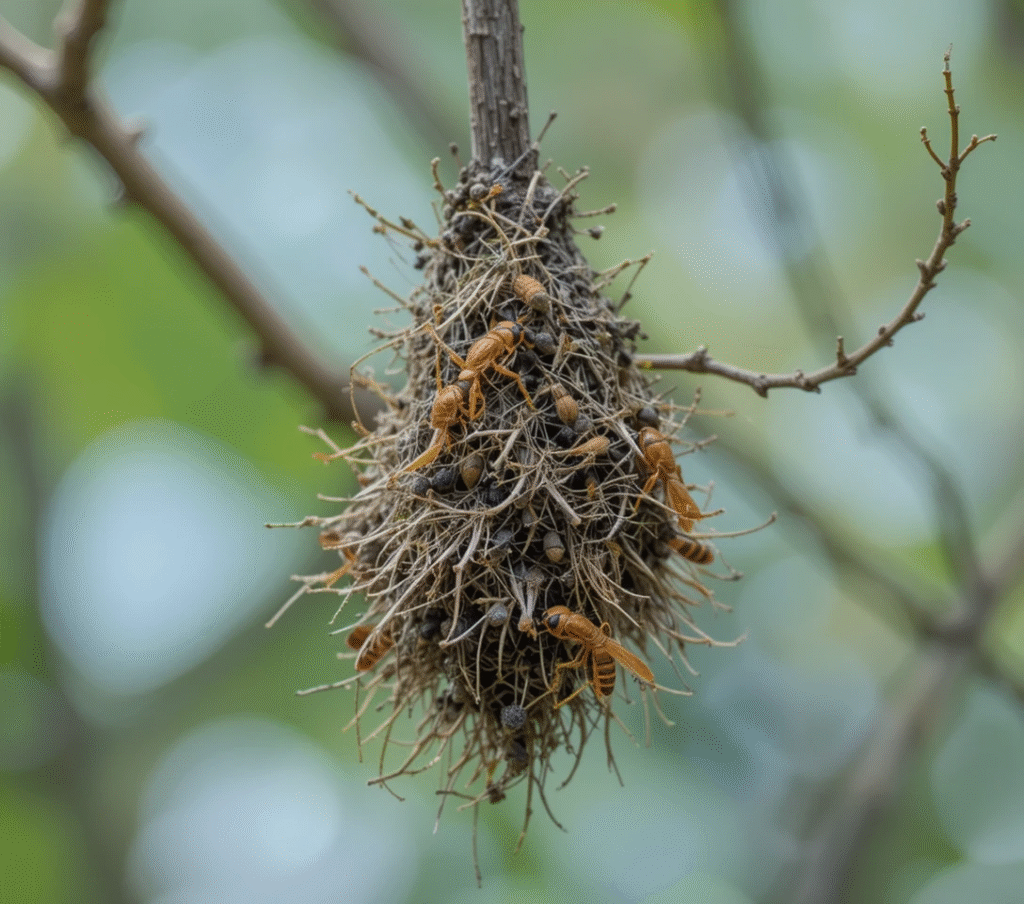
When it comes to enjoying your outdoor space in Lafayette, bald-faced hornets can turn a peaceful backyard into a danger zone. These large, aggressive insects create impressive but potentially hazardous nests that require prompt attention. At Smith IPM, we understand the importance of safe and effective pest management when dealing with these stinging insects. Identifying Bald-Faced Hornets Bald-faced hornets are often mistaken for other stinging insects, but they have distinctive characteristics that set them apart: Unlike beneficial pollinators, bald-faced hornets pose a significant risk to homeowners. Their powerful stingers can deliver multiple painful stings, and they will vigorously defend their colony if disturbed. Why Bald-Faced Hornet Nests Are Concerning While these hornets do provide some ecological benefits by controlling other insect populations, their nests near homes present serious concerns: The risk increases as summer progresses and the colony grows larger, making early identification and safe removal crucial for your family’s safety. Signs You Have a Bald-Faced Hornet Problem Recognizing the early indicators of a bald-faced hornet infestation can help you address the issue before it becomes more dangerous: The nests typically start small in spring when the queen begins construction, but they expand rapidly as worker hornets join the building process. DIY Bald-Faced Hornet Control: Proceed with Caution For homeowners determined to handle a small nest themselves, extreme caution is essential. Here are some guidelines of attempting DIY bald-faced hornet control: However, DIY methods come with significant risks, particularly with established nests. Many homeowners sustain painful stings attempting self-removal, and some experience allergic reactions requiring medical attention. Professional Bald-Faced Hornet Removal: The Safer Choice Given the dangers associated with bald-faced hornets, professional pest control offers the safest and most effective solution. At Smith IPM, our experienced technicians have the training, equipment, and knowledge to safely eliminate bald-faced hornet nests. Our approach includes: Professional service not only addresses your immediate hornet problem but also provides peace of mind knowing the job is handled safely and completely. Prevention Tips to Discourage Nesting Taking proactive steps can make your property less attractive to queens looking for nesting sites: Early vigilance is particularly important, as removing a small, newly-established nest is far easier and safer than dealing with a mature colony. When to Call Smith IPM for Bald-Faced Hornet Control While DIY bald-faced hornet control might seem cost-effective, the potential risks to your health and safety often outweigh any savings. Professional intervention is strongly recommended when: Smith IPM’s integrated pest management approach ensures not just the elimination of your current hornet problem, but also helps prevent future infestations through comprehensive service. Conclusion Bald-faced hornets present a genuine challenge for Lafayette homeowners. Their aggressive nature and potentially dangerous nests require knowledgeable handling. While DIY methods exist, professional pest management offers the safest, most effective solution for protecting your family and reclaiming your outdoor spaces. With over two decades of experience in integrated pest management across the Midwest, Smith IPM delivers quality pest control services with licensed, fully-trained service representatives. Our expertise with stinging insects like bald-faced hornets ensures your property remains safe and pest-free all season long. Don’t let bald-faced hornets take over your yard this summer. Contact Smith IPM at 765-268-0087 for a free 30-minute estimate and take the first step toward safely eliminating these aggressive pests from your property. Frequently Asked Questions About Bald-Faced Hornets Are bald-faced hornets actually hornets? Despite their name, bald-faced hornets are not true hornets. They’re actually a type of yellow jacket wasp. However, they’re larger than typical yellow jackets and have distinct black and white coloration, which is why they earned their common name of “hornets.” How dangerous are bald-faced hornet stings? Bald-faced hornet stings are quite painful and, unlike honeybees, they can sting multiple times. For most people, the stings cause temporary pain and swelling. However, for individuals allergic to their venom, stings can trigger severe reactions requiring immediate medical attention, including anaphylaxis in extreme cases. When is bald-faced hornet season in Lafayette? In Lafayette and surrounding areas, bald-faced hornet activity typically begins in late spring when queens emerge from hibernation to build new nests. Colonies peak in size during late summer (July-September), making these months particularly problematic for homeowners. Will bald-faced hornets return to the same nest next year? Bald-faced hornet nests are typically annual structures. The colony, including workers and males, dies off during winter. Only fertilized queens survive by hibernating in protected areas. Come spring, these queens will build entirely new nests rather than returning to old ones, though they may choose nearby locations if the environment is favorable. How can I tell the difference between bald-faced hornets and other stinging insects? Bald-faced hornets are distinguished by their black bodies with white markings, particularly on their face and thorax. They’re larger than yellow jackets (15-20mm) but smaller than European hornets. Their nests are distinctive gray, papery structures shaped like an upside-down teardrop, typically hanging from tree branches or building overhangs.
The Hidden Dangers of Paper Wasps: Why They Are a Threat to Your Home
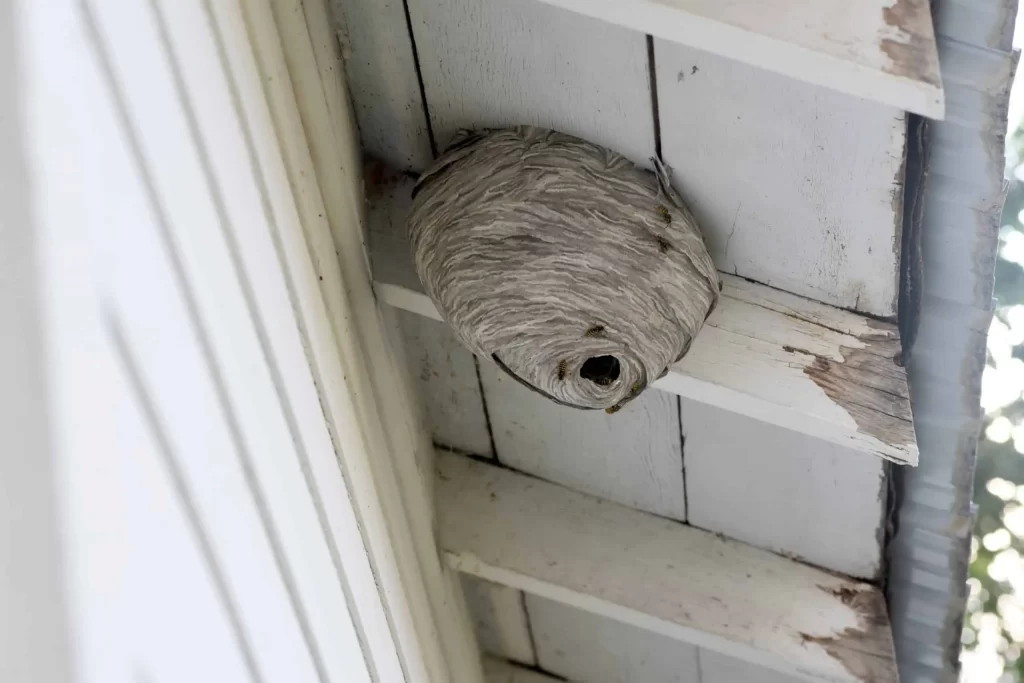
Paper wasps might seem like just another summer nuisance, but these stinging insects pose significant risks to your home and family that shouldn’t be underestimated. At Smith IPM, we’ve been providing expert pest control services for over two decades across nine Midwest states, and we’ve seen firsthand how paper wasp infestations can quickly escalate from a minor annoyance to a serious hazard. Understanding Paper Wasps Paper wasps are distinctive stinging insects that measure between 5/8 to 3/4 inches in length, typically displaying reddish-brown to black coloration with yellow markings. They earned their name from their unique nest-building behavior—scraping wood from houses and structures, then chewing it into a pulp to create their characteristic umbrella-shaped paper nests. Unlike some more docile insects, paper wasps are social creatures that aggressively defend their territory when threatened. This defensive behavior makes them particularly dangerous when nests are established near human activity. Why Paper Wasps Are Problematic for Homeowners Aggressive Defense Mechanisms While paper wasps aren’t typically aggressive when away from their nests, they become extremely territorial and defensive when they perceive their colony is under threat. A single disturbance to their nest—whether intentional or accidental—can trigger multiple wasps to attack simultaneously, resulting in painful, potentially dangerous stings. Structural Damage Concerns Beyond the immediate threat of stings, paper wasps can cause ongoing damage to your home. Their habit of scraping wood from houses, decks, and outbuildings for nest construction can, over time, damage wooden structures and compromise protective finishes on your home’s exterior. Health Risks from Stings Paper wasp stings are painful for everyone, but for those with allergies, they can be life-threatening. Even individuals without known allergies can develop severe reactions after multiple stings. Symptoms of serious reactions include: For families with young children or pets who might accidentally disturb a nest, the risk becomes even more significant, as they may not understand the danger or be able to escape quickly. Common Nesting Areas Around Your Property Paper wasps strategically build their nests in protected areas that offer shelter from the elements while providing easy access to food sources. Being aware of these common nesting sites can help you identify potential problem areas: What makes paper wasps particularly problematic is their preference for building nests around human dwellings, increasing the likelihood of unintentional encounters. The Annual Cycle of Paper Wasp Infestations Understanding the paper wasp lifecycle helps explain why these pests can become a recurring problem for homeowners: This continuous cycle means that even if you’ve addressed a paper wasp problem in the past, new queens can establish colonies on your property year after year without proper preventive measures. Professional Paper Wasp Control: The Safe Solution While do-it-yourself removal methods exist, they come with significant risks. Attempting to remove established paper wasp nests without proper training and equipment can lead to: Professional pest control services like Smith IPM offer comprehensive paper wasp management that addresses both immediate threats and long-term prevention: Preventive Measures for Paper Wasp Control While professional intervention is recommended for active infestations, homeowners can take several preventive measures to reduce the likelihood of paper wasps establishing nests: When to Call Professional Pest Control The ideal time to address paper wasp concerns is at the first sign of activity, before colonies grow large and aggressive. Consider contacting Smith IPM immediately if you: FAQs About Paper Wasps Are paper wasps beneficial in any way? While paper wasps do provide some ecosystem benefits by controlling certain garden pests like caterpillars and beetle larvae, these benefits rarely outweigh the risks they pose when nesting near human dwellings. Professional pest control can help manage wasps around your home while minimizing impact on beneficial insects in your garden. How can I tell the difference between paper wasps and other stinging insects? Paper wasps have distinctively slender bodies with long legs and narrow waists. Their nests are open-celled, umbrella-shaped structures without an outer covering, unlike the enclosed, football-shaped nests of hornets or the underground nests of yellowjackets. What should I do if I’m stung by a paper wasp? For minor reactions, clean the area with soap and water, apply ice to reduce swelling, and use over-the-counter pain relievers if needed. For signs of severe reactions (difficulty breathing, dizziness, nausea), seek immediate medical attention. If you’re uncertain about your reaction, it’s always better to consult a healthcare professional. How long does a paper wasp nest remain active? In the Midwest, paper wasp nests typically remain active from spring through fall, with peak activity in mid to late summer. Nests are abandoned in winter after reproductive females leave to find overwintering sites, but new nests will likely be constructed nearby the following spring if conditions remain favorable. Is it true that killing a paper wasp can attract more wasps? When paper wasps are crushed, they can release alarm pheromones that alert and agitate nearby colony members. This is why professional removal methods that minimize disturbance are most effective and safest. Don’t wait until paper wasps become a serious threat to your family’s safety and comfort. Contact Smith IPM today at 765-268-0087 for a free 30-minute estimate and comprehensive paper wasp control services. Our licensed, insured professionals have the expertise and equipment to safely eliminate these dangerous pests and help keep them from returning to your property.
How Often Should You Schedule Home Pest Control? Expert Advice
Maintaining a pest-free home is essential for the health, safety, and comfort of your family. At Smith IPM, we understand that scheduling regular pest control services is a proactive approach to prevent infestations and protect your property. But how often should these services be performed for optimal results? Let’s explore the ideal frequency for home pest control services in Lafayette and beyond. The Importance of Regular Pest Control Services Regular pest control isn’t just about eliminating current pests—it’s about preventing future infestations. According to the National Pest Management Association, more than 14,000 species of ants, spiders, rodents, and other pests exist in North America, many of which can damage property and spread disease. Prevention is always more cost-effective than dealing with a full-blown infestation. With regular inspections and treatments, we can identify early signs of pest activity and address them before they become serious problems. Factors That Influence Pest Control Frequency Several factors determine how often you should schedule pest control services: 1. Geographical Location and Climate Here in Lafayette, our climate creates ideal conditions for various pests throughout the year. Humid summers attract mosquitoes and flies, while fall and winter drive rodents indoors seeking warmth. This regional variability means local homes require specialized treatment schedules. 2. Property Characteristics Your home’s specific features play a significant role: 3. History of Infestations If your home has experienced previous pest problems, more frequent inspections and treatments may be necessary. Certain pests, like termites, can cause significant structural damage if not caught early. 4. Presence of Children and Pets Families with young children or pets may prefer more frequent treatments with milder products rather than less frequent applications of stronger chemicals. Recommended Pest Control Schedule Based on our two decades of experience in integrated pest management across the Midwest, we recommend the following general schedule for homes in Lafayette: Seasonal Approach (Recommended for Most Homes) Quarterly Services (Every 3 Months) This schedule aligns perfectly with our seasonal home protection plan, which includes: Quarterly treatments allow us to adjust our approach based on seasonal pest patterns while maintaining continuous protection. According to recent industry research, quarterly pest control can prevent up to 80% of common household infestations before they begin. Special Circumstances That May Require More Frequent Services Monthly Services Some situations warrant monthly pest control visits: Bi-Monthly Services (Every 2 Months) This middle-ground approach works well for: Cost Considerations for Regular Pest Control Investing in regular pest control is actually cost-effective when you consider the alternatives. The average cost to repair termite damage in a home exceeds $3,000, according to the latest insurance industry data. Rodents can cause thousands more in structural and electrical damage. Our annual home protection plan includes quarterly visits at a cost that, when broken down monthly, is significantly less than dealing with a major infestation. Plus, we offer a 5% discount for annual home programs, making preventive care even more affordable. The Professional Advantage: Why DIY Isn’t Enough While do-it-yourself methods have their place, they typically address symptoms rather than causes. According to a 2023 survey by the Professional Pest Management Alliance, 84% of homeowners who attempted to handle infestations themselves eventually required professional intervention. Professional pest control offers several advantages: Signs You Need to Adjust Your Pest Control Schedule Watch for these indicators that you might need to increase service frequency: Year-Round Protection with Smith IPM Our annual home protection plan provides comprehensive coverage throughout all seasons. Each quarterly visit is tailored to address seasonal pest concerns: Spring (March-May) Summer (June-August) Fall (September-November) Winter (December-February) The Smith IPM Difference With over two decades of experience in integrated pest management across nine Midwest states, our team brings unparalleled expertise to every home we service. All our service representatives are licensed and fully trained to deliver quality pest control services. We understand that effective pest management requires a partnership between homeowner and provider. That’s why we take the time to educate our clients about pest prevention between visits, creating a comprehensive approach to keeping your home pest-free. Conclusion The optimal frequency for home pest control services depends on various factors specific to your property and situation. For most homes in Lafayette, quarterly treatments provide the best balance of protection and value. However, some properties may benefit from more frequent visits. By establishing a regular pest control schedule with Smith IPM, you can enjoy peace of mind knowing your home is protected year-round from spiders, ants, mosquitoes, rodents, and the many other pests common to our region.Ready to establish a pest control schedule customized for your home? Contact Smith IPM at 765-268-0087 today to schedule your free 30-minute estimate and take the first step toward year-round pest protection.
Top 5 Pest Threats to Restaurants & How to Stop Them

Running a restaurant comes with numerous challenges, but few are as potentially damaging to your business as pest infestations. At Smith IPM, we’ve spent over two decades helping businesses maintain pest-free environments across the Midwest. In the food service industry, pest control isn’t just about aesthetics—it’s essential for health code compliance, customer satisfaction, and your restaurant’s reputation. The Hidden Costs of Restaurant Pest Infestations Before diving into specific threats, it’s important to understand what’s at stake. According to the National Restaurant Association, a single pest sighting can lead to immediate loss of customers, with 75% of patrons saying they wouldn’t return to an establishment after spotting pests. The financial impact extends beyond lost customers—regulatory fines can range from hundreds to thousands of dollars, depending on the severity of the infestation and your location. 1. Rodents: Business Destroyers Mice and rats pose perhaps the most significant threat to restaurants. These intelligent opportunists seek three things: food, water, and shelter—all readily available in restaurant environments. Why Rodents Are Particularly Dangerous • They can squeeze through incredibly small openings (a mouse needs only ¼ inch gap) • A single female mouse can produce up to 60 offspring per year • They contaminate approximately 10 times more food than they eat • Their droppings can spread over 35 diseases including Salmonella and Hantavirus According to the FDA, rodents are cited in nearly 20% of restaurant closures nationwide. Recent research published in the Journal of Food Protection found rodent DNA in 14% of restaurant food samples tested in a 2023 multi-city study. Effective Rodent Control Strategies We recommend implementing a comprehensive approach: • Seal entry points around pipes, utilities, and building foundations with steel wool, caulk, or metal flashing • Eliminate harborage areas by keeping storage areas organized and elevated • Maintain proper sanitation with frequent cleaning of grease traps and food preparation areas • Use professional-grade monitoring systems that can detect rodent activity before customers do 2. Cockroaches: Resilient Reputation Killers Cockroach sightings are among the most damaging for restaurants. These nocturnal insects are exceptionally hardy and adaptable, making them particularly difficult to eliminate without professional help. Health and Business Risks • Cockroaches can travel through sewers and enter buildings through drains • They’re known to carry over 33 different types of bacteria • A 2022 CDC report linked cockroach infestations to increased foodborne illness outbreaks • A single German cockroach female can produce up to 300-400 offspring in her lifetime The National Pest Management Association reports that cockroach allergens affect approximately 60% of urban residents and are a significant asthma trigger in restaurant workers. Effective Control Measures • Implement strict cleaning protocols for all kitchen equipment, especially in hard-to-reach areas • Repair leaking pipes and fixtures to eliminate water sources • Keep food storage areas dry and well-ventilated • Schedule regular professional treatments targeting breeding areas behind equipment, under appliances, and inside wall voids 3. Flies: Visible Vectors of Contamination While all pests damage your reputation, flies are particularly problematic because they’re immediately visible to customers. Different species require different control strategies. Types and Risks • House flies can transfer over 100 pathogens, including E. coli • Fruit flies are attracted to fermenting foods and indicate sanitation issues • Drain flies breed in the organic matter buildup in pipes and drains • Phorid flies often indicate deeper sanitation issues or even broken sewer lines A 2023 study in the International Journal of Food Microbiology found that a single fly can carry up to 6 million bacteria on its body and legs. Effective Management Strategies • Install air curtains at entrances to prevent flies from entering • Utilize UV light traps away from food preparation areas but positioned to intercept flies • Maintain rigorous garbage management with frequent removal and cleaning of bins • Implement drain cleaning protocols using biological drain treatments rather than chemicals that can create resistant fly populations • Ensure proper door seals and window screens are intact 4. Stored Product Pests: Inventory Destroyers These pests target dry goods directly, contaminating ingredients and causing significant inventory losses. Common culprits include Indian meal moths, flour beetles, and weevils. Business Impact • Can infest incoming supplies, making supplier verification critical • Often go undetected until populations are established • Contaminate far more food than they consume • Lead to wasted ingredients and potential cross-contamination The FDA’s Retail Food Protection department estimates that stored product pests cause millions in annual losses to restaurants nationwide, with the average infestation costing between $6,000-$12,000 in lost inventory. Prevention and Control • Implement strict FIFO (First In, First Out) inventory practices • Inspect all incoming deliveries thoroughly before accepting • Store dry goods in sealed containers off the floor and away from walls • Maintain proper temperature and humidity controls in storage areas • Use pheromone monitoring traps for early detection 5. Ants: Small Pests, Big Problems Ants are among the most persistent restaurant pests, with different species requiring different control approaches. Their small size allows them to access almost any area of your establishment. Why Ants Are Challenging • Colonies can contain thousands to millions of individuals • They leave chemical trails that other ants follow to food sources • Many common treatments only kill visible ants, not the colony • Some species, like Pharaoh ants, actually multiply when improperly treated Recent research from Purdue University found that restaurants deal with ant problems more frequently than any other pest issue, with over 80% reporting recurring infestations. Effective Ant Management • Identify the specific ant species to determine appropriate control methods • Use targeted bait systems that workers carry back to the colony • Seal cracks and crevices in foundations, walls, and around pipes • Eliminate sweet food sources through prompt cleaning of spills and proper storage • Trim vegetation away from building to eliminate bridges ants use to access structures Creating a Comprehensive Pest Management Plan for Your Restaurant As experts in integrated pest management, we recommend developing a year-round protection strategy rather than reacting to
Spring Garden & Yard Maintenance: Natural Pest Prevention for Your Home
As the gentle thaw of winter gives way to spring, our yards come alive with greenery and flowers sprouting up out of gardens. But, it’s not just the foliage that is returning to the landscape: animals and insects are also coming out of their winter dormancy to be seen. This seasonal shift presents homeowners with a unique opportunity: to cultivate not only a beautiful spring garden and yard, but also healthy ecosystems that naturally resist pests. Embracing natural pest prevention is more than just a trend; it’s a mindful approach to stewardship, one that benefits our homes, our families, and the environment. A well-kept yard is less hospitable to pests, creating a natural barrier against unwanted invaders. At the heart of natural pest prevention lies Integrated Pest Management (IPM), rooted in understanding the life cycles of pests and their interactions with the environment. Spring Garden Planting for Pest Control One of the most charming and effective methods of natural pest control is companion planting. This practice involves strategically planting different species of plants near each other to create mutually beneficial relationships. Some plants act as natural pest prevention, while others attract beneficial insects, or improve soil health. Some plants have formed highly specific relationships with other plants, while others are much more diverse in the plant communities they can benefit. Some examples of both include: The benefits of using companion plants extend beyond pest control. They can also enhance pollination, improve soil fertility, and even increase yields. By thoughtfully planning our gardens, we can create a vibrant and self-regulating ecosystem. Pest-Resistant Plants Another powerful tool in our natural pest prevention arsenal is the use of pest-resistant plants. These varieties possess inherent characteristics that make them less susceptible to pests and diseases. Pest-resistant plants often exhibit traits such as thick cuticles, strong cell walls, or the production of natural repellents. Certain cultivars of roses, herbs like rosemary and lavender, and many native plants that have evolved alongside local pests not only repel uninvited guests, but also add natural beauty and pleasant aromas to your spring garden. Yard Maintenance for Natural Pest Prevention Imagine your spring garden as a stage. A cluttered stage, strewn with debris and overgrown thickets, provides ample hiding places for unwelcome guests, those who disrupt the harmony. A tidy yard, however, is a sanctuary, a place where balance is restored. Yard maintenance may seem daunting, but a few simple tasks can really help to reduce pest populations: Building the Community Together As the Indiana spring unfolds, we are reminded of the interconnectedness of nature. From the intricate webs spun by spiders to the symbiotic relationships between plants, your yard and spring garden is a living ecosystem that deserves care and attention. By embracing natural pest prevention strategies, we can create beautiful, healthy, and sustainable landscapes that benefit both our homes and the environment. Let us take this opportunity to cultivate a deeper appreciation for the delicate balance of nature and to work in harmony with the world around us.To keep pests out of your home or business, trust the best for local pest management in the Greater Lafayette Indiana area, Smith Integrated Pest Management LLC.
Is Pest Control Necessary in the Winter in Cold States? Top Reasons You Shouldn’t Skip It
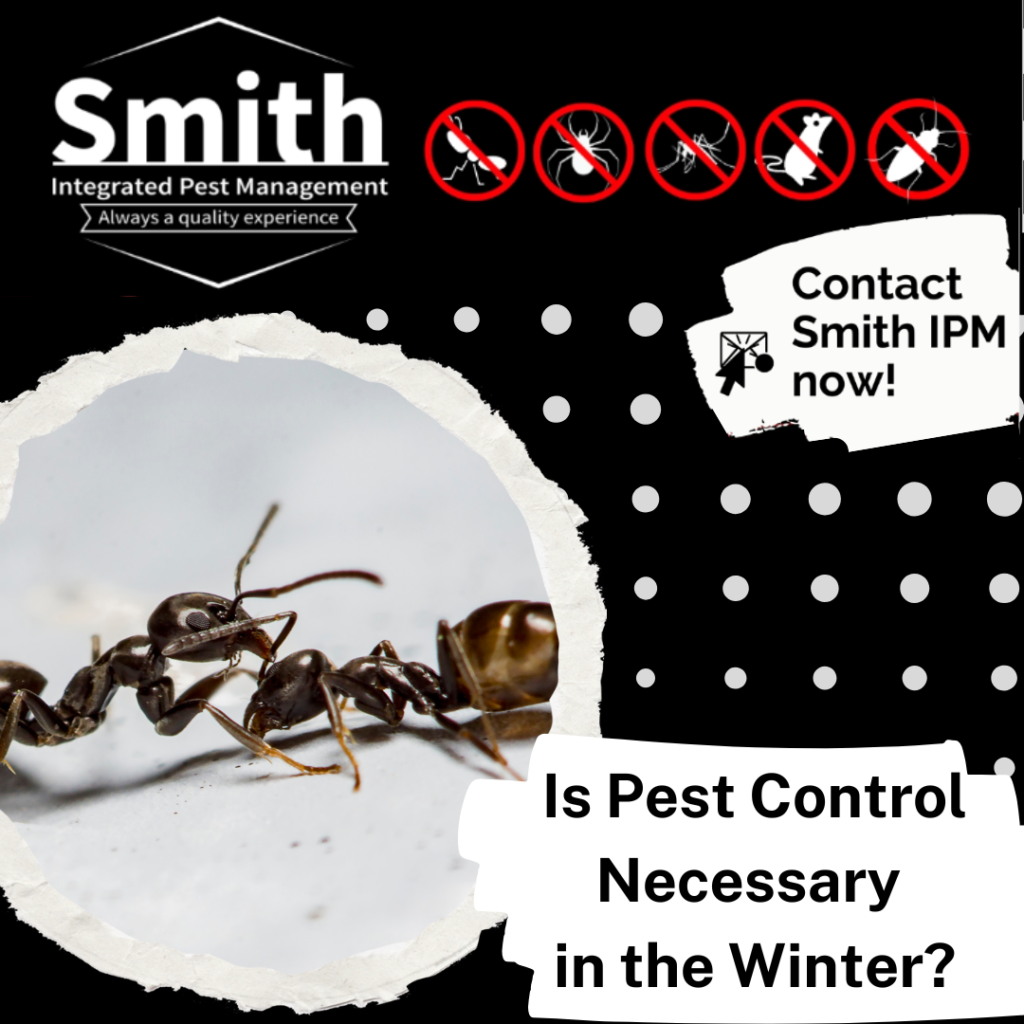
As winter sets in and snow blankets the landscape, many homeowners assume that pest problems have come to an end. But the truth is, winter can be a hidden battleground for certain pests seeking refuge in your cozy home, escaping the harshness of the elements. Let’s uncover why pest control in colder months is not just a good idea, but a necessary step to maintain a pest-free sanctuary for you and your family. Misunderstandings About Winter Pest Control It’s a widespread myth that pest activity decreases in winter. While some insects may naturally die off, many others—especially rodents and overwintering insects—are on the lookout for a warm place to call home, and that often means your house. If you neglect pest control during these months, you risk facing serious infestations and expensive repairs down the line. Remember, just because pests are out of sight, doesn’t mean they’re out of mind. Common Winter Pests in Cold States Why Winter Pest Control is Crucial Effective Pest Control Strategies for Winter The best offense is a good defense! Start by sealing any cracks and openings, installing weather stripping, and ensuring that doors and windows are tightly secured. By winter-proofing your home, you can drastically minimize the risk of inviting pests inside. Regularly inspect your home for any signs of pest activity—be it droppings, nesting materials, or visible damage. Create a maintenance plan with a trusted pest control professional to help you stay ahead of any potential infestations. Don’t let misconceptions give you a false sense of security this winter. Pest control is just as necessary in cold climates as it is in any other season. Armed with the right knowledge and strategies, you can protect your home from winter pests and enjoy a safe, healthy living environment. Remember, prevention is always preferable to tackling an infestation later, so take proactive steps today! Take care of your winter pest concerns! Contact us to schedule an estimate.
Simple Pest Management for Autumn
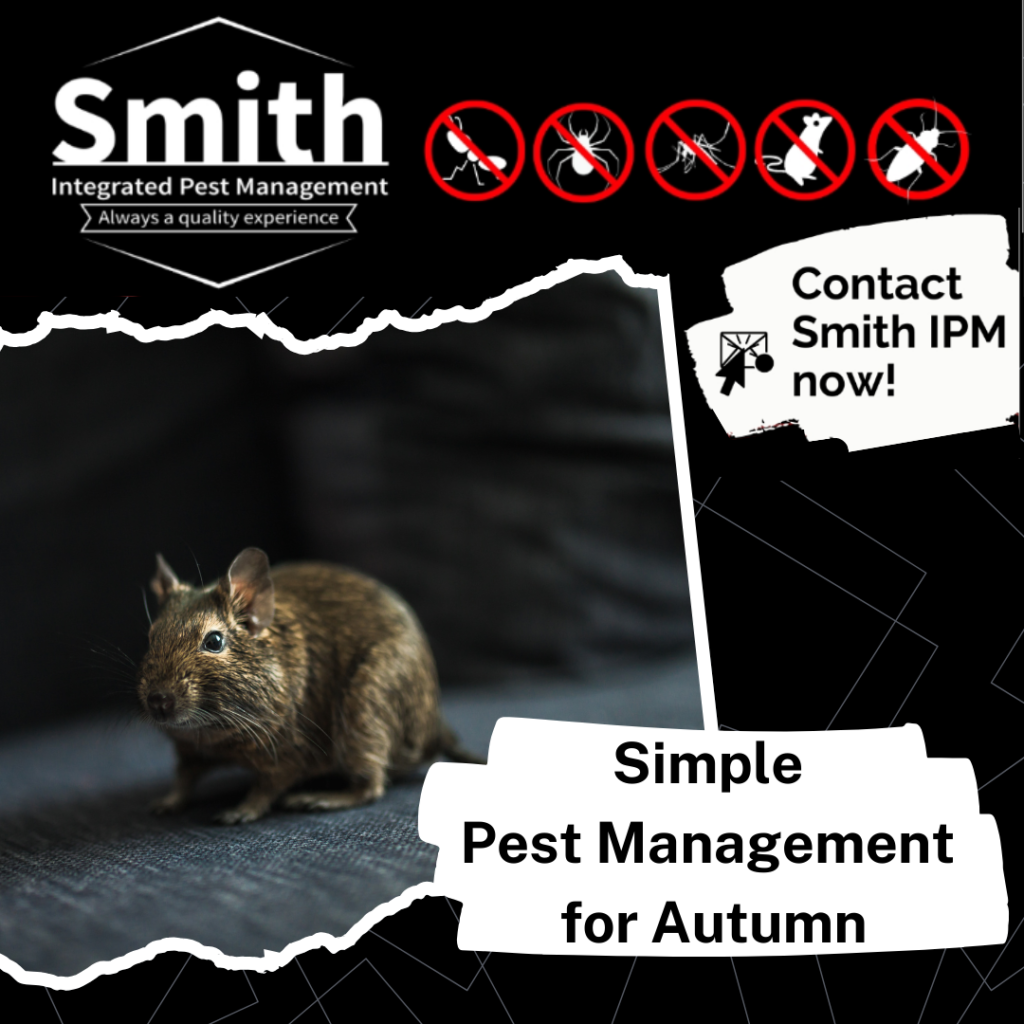
Autumn is a time of transition, not only for nature but also for your home and garden. As the days shorten and temperatures drop here in Indiana, certain pests become more active, while others seek shelter for the winter. Integrated Pest Management (IPM) offers a sustainable and environmentally friendly approach to dealing with these pests. You might think that as we move into the colder months, and the bugs seem to disappear, that you don’t need to worry about pests again until next spring. In actuality, there is plenty to be done to prepare for the spring to properly implement an IPM strategy and pest proofing methods. Understanding Integrated Pest Management (IPM) Integrated pest management is a holistic approach to pest control methodology that emphasizes prevention and monitoring over the indiscriminate use of pesticides. It involves a combination of technical pest management techniques, including: Common Autumn Pests in Indiana Tips for Simple Pest Management in Autumn By adopting these simple pest management techniques for Indiana this fall, you can effectively manage pests in your home and garden while minimizing the use of harmful chemicals. Remember, prevention is key, and a healthy garden is less susceptible to pest problems. If you need help with your simple pest management this fall, contact us to schedule an estimate.
Spring’s Spiders in Lafayette Indiana:
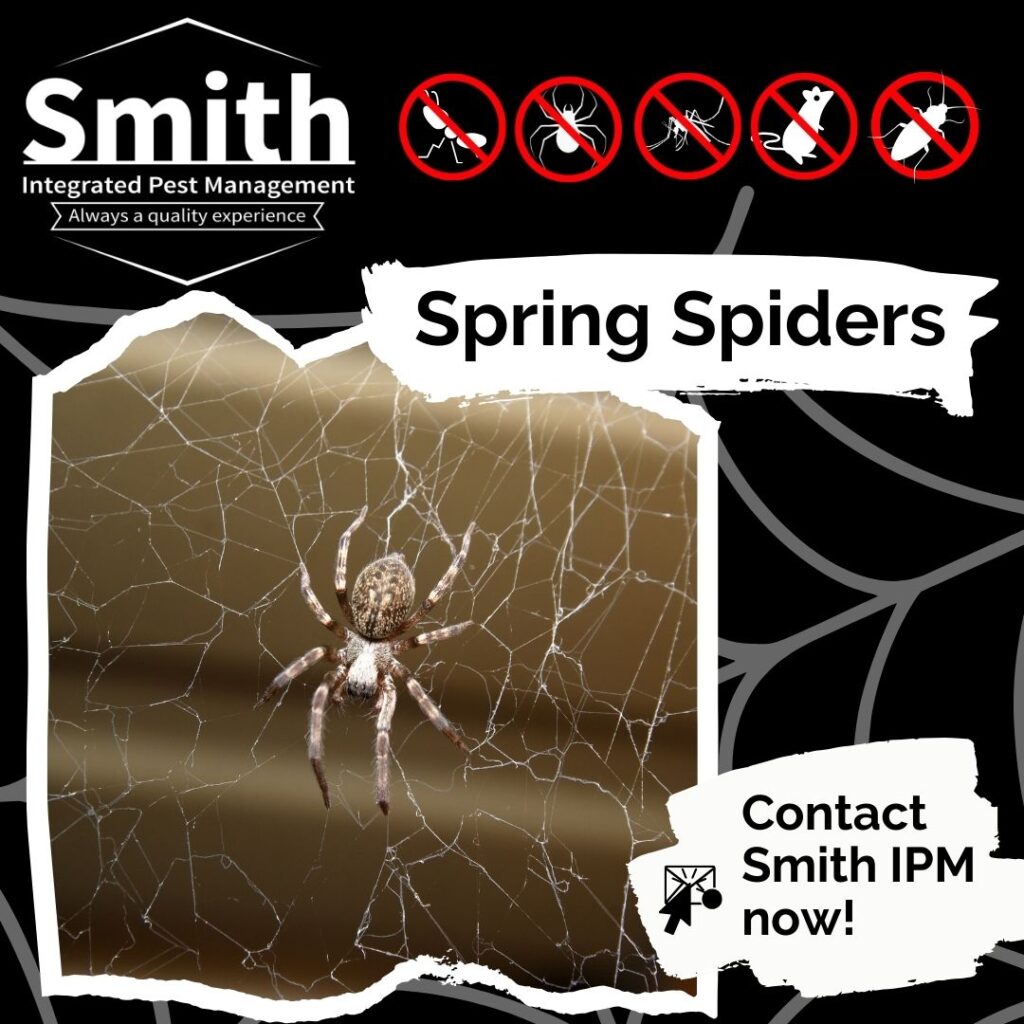
Nature’s Intricate Weavers As winter retreats and Indiana welcomes the warmth of spring, the natural world undergoes a subtle transformation. This is marked by the emergence of spiders in Lafayette, Indiana. These often misunderstood creatures play a vital role in the ecosystem, becoming more active as they spin intricate webs and hunt for food. With rising temperatures and increased insect activity, springtime in Lafayette sees spiders emerging from their winter hideouts to thrive once again. Their fascinating web-building behavior becomes evident, with delicate structures adorning wooded areas and backyards. The utility of these webs catch more than just other insects; the webs of spiders in Lafayette, Indiana open each day capturing the morning sunlight. Despite their reputation, spiders are beneficial predators, controlling insect populations without the need for harmful pesticides. From common house spiders to colorful orb-weavers, spiders in Lafayette boast a diverse array of species, each with unique characteristics. One of the most captivating aspects of spiders in Lafayette is their diverse habitats. Whether in urban neighborhoods, rural farmlands, or natural parks, spiders can be found weaving their intricate webs and contributing to the local ecosystem’s balance. While some may feel apprehensive about encountering spiders, especially in their homes, it’s essential to remember their positive impact. Spiders in Lafayette help keep pest populations in check, reducing the need for chemical interventions. Moreover, many spiders are harmless to humans and prefer to avoid human interaction whenever possible. As Lafayette’s landscape comes alive with the vibrant colors and fragrances of spring, take a moment. Appreciate the beauty and importance of spiders. Their role as nature’s pest controllers deserves admiration and respect, enriching the local environment in ways both seen and unseen. So, as you explore Lafayette’s outdoor spaces this spring, keep an eye out for these eight-legged inhabitants and marvel at the intricate web of life they contribute to, reminding us of the delicate balance of nature that surrounds us. To keep them out of your home or business trust the best for local pest management in the Greater Lafayette Indiana area, Smith Integrated Pest Management LLC. Jeromy SmithOwnerSmith Integrated Pest Managementwww.smithipm.comOffice: 765-268-0087
Exploring the Springtime Ants of Indiana:
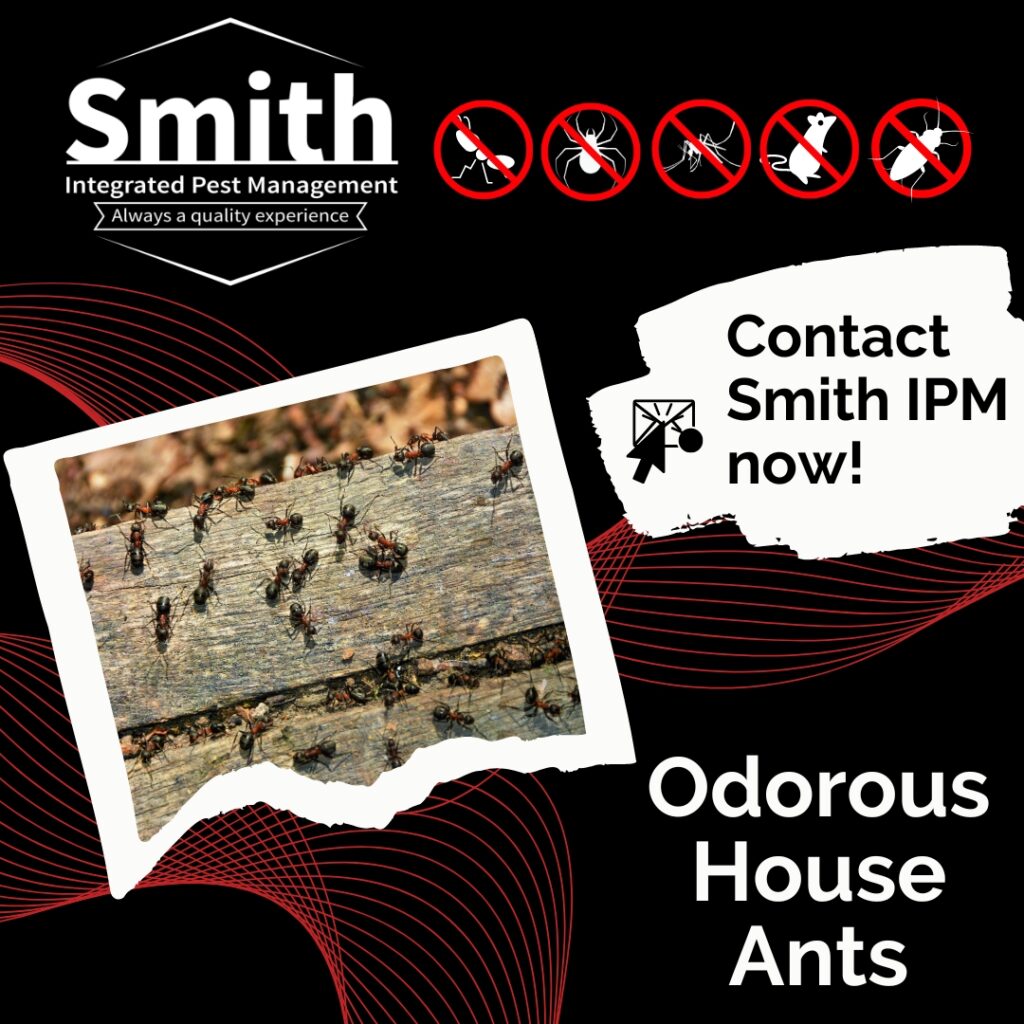
Tiny Marvels in Motion: As the chill of winter gives way to the gentle warmth of spring, the landscape of Indiana undergoes a remarkable transformation. Trees begin to bud, flowers bloom, and the air becomes infused with the sweet scent of rejuvenation. Amidst this seasonal shift, another fascinating phenomenon unfolds beneath our feet – the awakening of Indiana’s bustling ant colonies. Ants, are often overlooked in the grand tapestry of nature. In fact, they are among the most industrious and sophisticated creatures on Earth. In Indiana, the changing seasons have a profound influence on the environment. Certainly this arrival of spring signals a time of heightened activity for these tiny marvels. One of the most captivating aspects of springtime in Indiana is witnessing the waking of ant colonies from their winter dormancy. Throughout the colder months, many ant species retreat into their nests. Here they spent the season conserving energy and relying on stored food supplies to survive. However, as temperatures rise and daylight hours increase, these resilient insects begin to stir once again. Venturing out from their underground dwellings, worker ants embark on a quest for food, forging intricate trails across the landscape in search of sustenance. Alongside them, winged reproductives take to the skies in spectacular mating flights. These are truly mesmerizing spectacles that mark the beginning of new colonies. The diversity of the ants of Indiana is truly remarkable, with over 100 known species calling the state home. These range from familiar pavement ants scurrying along sidewalks to majestic carpenter ants building their nests in decaying wood. Each of these species plays a unique role in the ecosystem. Altogether, they contribute to many processes, such as seed dispersal, soil aeration, and pest control. One of the most iconic of the ants of Indiana is the eastern black carpenter ant (Camponotus pennsylvanicus). In fact, these large, jet-black ants are often spotted foraging for food in wooded areas and urban environments alike. Despite their imposing size, these ants are more than just a nuisance. They play a vital role in forest ecology by breaking down dead wood and recycling nutrients back into the soil. Springtime offers an opportunity for citizen scientists and nature enthusiasts to observe the ants of Indiana’s behavior, up close. Actually, with a keen eye and a spirit of curiosity, individuals can observe ant colonies in action, noting their intricate communication systems, resource-gathering strategies, and social hierarchies. Moreover, understanding the behavior and ecology of the ants of Indiana can have practical implications for pest management and conservation efforts. By recognizing the ecological value of ants and their role within the broader ecosystem, we can work towards fostering coexistence and promoting biodiversity in our local communities. The arrival of spring in Indiana indicates not only the awakening of the natural world but also the resurgence of its smallest inhabitants – the ants. In fact, as these industrious insects go about their daily routines, they remind us of the interconnectedness of all living things and the importance of embracing the marvels of nature that surround us. So, the next time you take a stroll through an Indiana woodland or garden, take a moment of appreciation. Within the tiny, intricate world of ants bustling beneath your feet lies a universe of wonder waiting to be discovered. Warm regards, Jeromy SmithOwner, Smith Integrated Pest ManagementWebsite: smithipm.comOffice: 765-268-0087
What is Integrated Pest Management (IPM)?

Integrated Pest Management Integrated Pest Management (IPM) is an effective and environmentally sensitive approach to pest management. All in all, this approach relies on a combination of common-sense practices. IPM programs use current, comprehensive information on the life cycles of pests and their interactions with the environment. Here’s how it differs from traditional pest control: Traditional pest control often employs a reactive approach, using broad-spectrum chemical insecticides upon identifying a pest problem. This can be less effective in the long run as pests develop resistance, and may harm beneficial insects and the environment. IPM, however, focuses on understanding the root causes of pest infestations by considering factors like habitat, food sources, and entry points. This knowledge guides the selection of various control methods, prioritizing non-chemical solutions whenever possible. IPM practices include: By adopting an IPM approach, you can enjoy the benefits of effective pest control while minimizing your environmental impact and protecting the health of your family and pets. Smith Integrated Pest Management shares your commitment to a healthy and sustainable environment. We prioritize non-chemical solutions whenever possible, ensuring every treatment is safe, effective, and tailored to your specific needs. Looking to Schedule an Estimate? We have you covered!