
How Often Should You Schedule Pest Control for Your Lafayette Home?

Pests are more than a seasonal nuisance in Lafayette, they’re a year-round concern for homeowners. Whether it’s ants in spring, mosquitoes in summer, or rodents in winter, consistent pest control keeps your home healthy, safe, and comfortable. But how often should you schedule pest control? Once a year? Every season? The answer depends on your home, location, and the type of pests common in Indiana. This detailed guide explains how often Lafayette homeowners should schedule pest control, what factors influence treatment frequency, and how proactive prevention saves time and money in the long run. Why Regular Pest Control Is Important? Many homeowners wait until they see pests to call for help. However, pests often hide and reproduce long before you notice them. According to the National Pest Management Association (NPMA), one in three U.S. homes will have a pest problem at least once a year, and most infestations start unnoticed. Key Reasons to Schedule Regular Pest Control When pest control becomes routine maintenance like HVAC or roof checks your home stays safer, cleaner, and healthier. Recommended Pest Control Schedule for Lafayette Homes Lafayette’s climate brings four distinct seasons, each with its own pest challenges. The ideal schedule for most homeowners is quarterly pest control four visits per year. This frequency aligns with seasonal pest cycles and prevents recurring infestations. Suggested Pest Control Frequency Season Common Pests Recommended Action Spring (Mar–May) Ants, termites, spiders Inspect for activity, treat foundations, apply preventive barriers. Summer (Jun–Aug) Mosquitoes, wasps, flies Outdoor treatments and yard inspections. Fall (Sep–Nov) Rodents, spiders, stink bugs Seal entry points, indoor maintenance treatments. Winter (Dec–Feb) Mice, cockroaches Monitor basements, attics, and kitchens for signs of activity. General Rule of Thumb Quarterly pest control is best for year-round prevention in Lafayette homes. However, homes with recurring pest issues, pets, or nearby vegetation may need bi-monthly or monthly visits. Factors That Affect How Often You Need Pest Control Not all homes have the same pest risk. Several factors determine how often you should schedule treatments: 1. Location and Surroundings Homes near wooded areas, rivers, or fields in Tippecanoe County are more exposed to pests such as ants, mosquitoes, and rodents. 2. Type of Property Older homes, or those with basements and crawl spaces, often require more frequent inspections due to cracks and hidden moisture spots. 3. Pest History If your home has had infestations in the past (termites, ants, or rodents), regular follow-ups help prevent re-infestation. 4. Seasonal Weather Indiana’s humid summers and cold winters create alternating pest pressures; moisture brings bugs; cold drives rodents indoors. 5. Preventive Maintenance Habits A clean, well-sealed home can often manage with quarterly treatments. Homes with food waste, leaks, or clutter might need more frequent visits. How Professional Pest Control Works? A reputable pest control service Lafayette homeowners trust will follow a systematic, science-based process. Here’s what to expect during each visit: The Environmental Protection Agency (EPA) recommends an approach called Integrated Pest Management (IPM), a preventive system that minimizes chemical use by focusing on inspection, exclusion, and long-term prevention. The Cost Benefits of Regular Pest Control Homeowners often assume quarterly visits cost more, but consistent pest control usually saves money over time. Service Type Average Cost per Year Notes One-Time Treatment $250–$400 Temporary relief, no prevention Quarterly Service Plan $400–$700 Continuous protection, includes inspection Bi-Monthly Plan $600–$900 For high-risk areas or older homes Investing in routine service helps avoid major infestations like termites, which can cause thousands in property damage. What Happens If You Skip Regular Pest Control? Skipping scheduled visits can quickly undo previous treatments. Pests return when barriers break down, moisture accumulates, or breeding cycles resume. Common outcomes when pest control lapses: Once an infestation takes hold, professional extermination costs rise and DIY sprays rarely solve the root issue. How Lafayette’s Seasons Affect Pest Pressure? Lafayette’s seasonal weather plays a huge role in pest control timing.Let’s look at the season-by-season breakdown: Spring: Awakening Season Summer: Peak Activity Fall: Rodent Invasion Winter: Hidden Infestations A year-round service ensures each season’s pest risk is managed before it escalates. DIY vs. Professional Pest Control Many Lafayette homeowners try DIY pest control, but these methods often miss hidden breeding sites. DIY Pros: DIY Cons: Professional Pest Control Pros: Professional technicians also understand local pest behaviors specific to Indiana’s weather patterns and soil conditions knowledge that general DIY methods can’t match. Eco-Friendly Pest Control: A Smart Choice for Lafayette Homes Today, many Lafayette families prefer eco-friendly pest control to reduce chemical exposure for kids and pets. Professionals use low-impact products, biological controls, and sealing methods rather than relying solely on pesticides. The Purdue University Extension emphasizes that environmentally conscious pest management helps maintain a safe home ecosystem without harming beneficial insects. Tips to Extend Pest Control Results Simple, consistent habits enhance professional treatments and reduce pest recurrence. Common Myths About Pest Control Frequency Myth 1: One treatment a year is enough.→ Reality: Pests reproduce continuously; barriers wear off over time. Myth 2: Clean homes don’t get pests.→ Even spotless homes can attract rodents, ants, or spiders seeking warmth. Myth 3: DIY sprays are safer than professional services.→ In reality, licensed professionals use regulated, safer, and more precise applications. Myth 4: Winter treatments aren’t needed.→ Pests don’t hibernate indoors; they stay active in walls and attics. Frequently Asked Questions (FAQs) Q1. How often should pest control be done in Lafayette homes? Most homeowners benefit from quarterly treatments to handle seasonal pest changes year-round. Q2. What time of year is best for pest control? Early spring and fall are ideal for preventive applications before pests become active indoors. Q3. Do I need pest control if I don’t see bugs? Yes, regular maintenance prevents infestations before they become visible. Q4. Is pest control safe for pets and children? Yes. Professional services use EPA-approved, family-safe products. Q5. Can I skip winter pest control? Skipping winter visits lets rodents and insects settle indoors, making spring infestations harder to control. Conclusion Scheduling regular pest control is one of the best investments you can
How to Keep Mice Out of Your Home This Winter in Lafayette?

As winter arrives in Lafayette, mice begin searching for warm, cozy spaces and your home is their perfect shelter. These small rodents can squeeze through holes as tiny as a dime, nest inside walls, and chew through wires, insulation, and stored food. Once they move in, they multiply fast, creating costly and unhealthy infestations. This guide shares proven, easy-to-follow tips from pest control Lafayette professionals to help homeowners prevent mice from entering their homes during the colder months. You’ll learn how to seal entry points, store food properly, maintain your home, and know when it’s time to call for expert help. Why Mice Seek Shelter in Lafayette Homes During Winter Mice are survival-driven. As outdoor temperatures drop below 50°F, their natural food sources become scarce, forcing them indoors. Lafayette’s climate cold winters with frequent snow and rain creates ideal conditions for rodent invasions. Here’s what attracts mice into homes: Attraction Description Warmth Mice seek warm air leaking from gaps around windows, doors, and foundations. Food Access Crumbs, pet food, and pantry items provide easy meals. Shelter Wall voids, attics, and garages offer safety from predators. Nesting Materials Paper, fabric, and insulation make ideal bedding. Even a single mouse can indicate a larger problem. According to the National Pest Management Association (NPMA), a pair of mice can produce up to 200 offspring per year if not controlled. Signs You May Already Have Mice Indoors Before preventing future infestations, check if mice have already entered your home.Common warning signs include: If you notice any of these, it’s time to act fast before the infestation worsens. 1. Seal All Possible Entry Points Mice can fit through openings as small as ¼ inch. Conduct a detailed inspection around your home especially near foundations, crawl spaces, vents, and utility lines. Key areas to seal: Use steel wool, copper mesh, or hardware cloth combined with caulk. Avoid using expanding foam alone, as mice can chew through it easily. According to Purdue University Extension, homes in Indiana should be inspected at least twice a year for rodent access points especially before winter. 2. Keep Your Kitchen and Pantry Rodent-Proof Food is a major reason mice stay indoors. To make your kitchen less inviting: Even small amounts of leftover food can attract rodents. Keep counters, shelves, and floors clean to eliminate easy meals. 3. Declutter and Maintain Storage Areas Basements, attics, and garages are favorite nesting zones. Mice thrive in cluttered, dark environments where they can hide undisturbed. Decluttering tips: Proper organization not only discourages pests but also makes detection and cleaning easier. 4. Trim Vegetation and Maintain Outdoor Areas Mice often reach your home through exterior hiding spots. Trim shrubs and grass away from foundations, and remove leaf piles or wood stacks that provide nesting material. Outdoor prevention checklist: Clean, well-maintained yards make it harder for mice to find safe approaches to your home. 5. Eliminate Moisture and Fix Leaks Like most pests, mice are drawn to moisture. Leaky pipes, damp basements, and humid laundry areas create ideal conditions. Moisture control steps: Maintaining dry conditions makes your home less appealing to rodents and prevents secondary pest problems like insects or mold. 6. Use Safe, Eco-Friendly For families in Lafayette who prefer non-toxic pest control, there are several safe deterrent options: Natural Method How It Works Effectiveness Peppermint oil or cloves Strong scent repels mice near entry points. Moderate Ultrasonic repellents Emits frequencies mice dislike. Varies Steel wool barriers Prevents gnawing access at entry gaps. High Professional IPM service Combines inspection, exclusion, and prevention. Very high The Environmental Protection Agency (EPA) recommends Integrated Pest Management (IPM) , a strategy focused on prevention, monitoring, and minimal pesticide use. 7. Maintain Regular Cleaning Habits Routine cleaning keeps your home unattractive to mice. Focus on less obvious areas: Regular sweeping, vacuuming, and sanitizing removes scent trails that attract rodents. 8. Monitor and Inspect Regularly Early detection prevents infestations from spreading. Set non-lethal traps in garages, attics, or crawl spaces to monitor activity. If traps remain active for several days, you may have a recurring issue that requires professional help. 9. When to Call a Professional Pest Control Service If you continue hearing noises or spotting droppings after DIY prevention, it’s time to call a local pest control expert. Professional services provide: Local professionals understand Lafayette’s seasonal pest patterns and can tailor solutions specific to Indiana homes. For example, Smith IPM specializes in Integrated Pest Management, which prioritizes prevention and uses safe, targeted treatments to protect families and pets. 10. Prevent Future Infestations Once you’ve handled a mouse problem, preventive maintenance ensures they don’t return. Long-term prevention plan: Consistent habits are the key to maintaining a pest-free, healthy home all year. Common Mistakes to Avoid Homeowners often overlook simple yet crucial steps: Avoiding these mistakes can save hundreds in potential property damage and repairs. Statistics on Mice Problems in the U.S. Frequently Asked Questions (FAQs) Q1. How do I know if mice are in my walls? You may hear scratching or scurrying noises at night, especially behind drywall or ceilings. Droppings near baseboards are another clear sign. Q2. What is the safest way to get rid of mice in Lafayette homes? The safest method is using Integrated Pest Management (IPM) , a preventive, eco-friendly system focusing on sealing entry points and using traps before chemicals. Q3. Can mice damage insulation or wiring? Yes. Mice chew through insulation and electrical wires, increasing fire risk. Professional inspection helps detect hidden damage. Q4. Are natural repellents effective? Natural repellents like peppermint oil can deter mice temporarily, but they should be paired with sealing and cleanliness for lasting results. Q5. How often should I inspect mice during winter? Monthly checks in attics, basements, and garages during winter are recommended, especially in older Lafayette homes. Conclusion Winter in Lafayette can be cozy for you but it’s also prime season for mice seeking warmth and shelter. By sealing entry points, maintaining cleanliness, and practicing eco-friendly prevention, you can keep your home safe and rodent-free. Regular inspections and
What Attracts Mosquitoes to Your Lafayette Yard (and How to Stop Them)

If mosquitoes are turning your Lafayette backyard into a no-go zone, you’re not alone. These tiny pests thrive in Indiana’s warm, humid summers and can make outdoor living almost unbearable. But they’re more than just a nuisance; mosquitoes are known carriers of illnesses like West Nile virus and heartworm in pets. That’s why more homeowners are turning to pest control Lafayette experts who specialize in eco-friendly mosquito management. Once you understand what attracts mosquitoes to your yard, you can take practical steps to stop them safely and effectively. This guide breaks down the main reasons mosquitoes swarm your property, the science behind their attraction, and practical ways to eliminate and prevent them backed by local insights from Lafayette’s trusted pest management professionals at Smith IPM. Why Mosquitoes Are Drawn to Lafayette Yards Lafayette’s climate of hot summers, mild winters, and consistent rainfall creates the perfect breeding conditions for mosquitoes. These insects only need a few tablespoons of standing water to reproduce, which means even small puddles or birdbaths can fuel an infestation. Let’s look at what really attracts them to your yard. 1. Standing Water — The #1 Mosquito Magnet Mosquitoes need water to breed. Female mosquitoes lay eggs in still or stagnant water, and within days, larvae emerge and develop into biting adults. Common Standing Water Sources in Lafayette Homes Prevention Tips According to the U.S. Environmental Protection Agency (EPA), controlling mosquito breeding sites is the most effective way to reduce populations naturally. 2. Overgrown Vegetation and Shade Mosquitoes rest during the day in cool, shaded areas. Dense shrubs, tall grass, and cluttered landscaping offer the perfect hideout from sunlight and predators. Prevention Tips A tidy, well-maintained yard is not just visually appealing it also disrupts mosquito resting zones and reduces their shelter. 3. High Humidity and Moisture Humidity is one of the biggest mosquito attractants. These pests thrive in moisture-rich environments exactly what Lafayette summers provide. If your yard has poor drainage, damp mulch, or leaky sprinklers, it’s like an open invitation for mosquitoes. Prevention Tips This small effort goes a long way in reducing mosquito survival conditions. 4. Human Scent and Carbon Dioxide Mosquitoes are highly sensitive to carbon dioxide (CO₂) the gas we exhale. They can detect it from over 30 feet away. Once nearby, they use body heat, sweat, and even skin bacteria to find their next meal. Why Some People Get Bit More To stay protected: 5. Outdoor Lighting and Heat Sources Mosquitoes are drawn to certain types of lighting and heat. While they’re less attracted to pure LED light, incandescent or fluorescent bulbs emit heat and wavelengths that pull them in. Prevention Tips Even a gentle breeze from a fan can disrupt their flight path and reduce bites dramatically. 6. Neglected Pools, Ponds, and Fountains Unmaintained water features are mosquito breeding hubs. A single neglected pool can breed thousands of mosquitoes in less than two weeks. Maintenance Tips These measures help keep water oxygenated and unattractive to mosquitoes. 7. Nearby Breeding Sites Beyond Your Property Even if your yard is spotless, mosquitoes can migrate from neighboring areas. Standing water, drainage ditches, or wooded zones nearby can quickly repopulate your space. That’s why neighborhood-wide awareness and prevention are key. Local programs and professional services can treat shared areas safely and effectively. Top Mosquito Attractants and How to Eliminate Them Mosquito Attractant Where It’s Found How to Stop It Standing water Gutters, pots, toys, puddles Remove or refresh weekly Overgrown plants Bushes, shaded corners Prune and trim regularly High humidity Damp soil, poor drainage Improve airflow, fix leaks Human scent/CO₂ Exhalation, sweat Wear light clothes, use repellents Outdoor lighting Porches, patios Switch to yellow or LED lights Stagnant ponds Pools, fountains Add dunks, run pumps, cover unused water Eco-Friendly Mosquito Control for Lafayette Homes Modern mosquito control doesn’t have to rely on harsh chemicals. Today’s eco-friendly methods focus on prevention, natural repellents, and biological control. 1. Integrated Pest Management (IPM) Smith IPM uses a science-based strategy called Integrated Pest Management. It combines inspection, prevention, and targeted treatments that protect families, pets, and the environment. 2. Biological Control This involves using natural predators like: 3. Essential Oils and Natural Repellents Oils like citronella, lavender, peppermint, and eucalyptus can deter mosquitoes when used in sprays or candles. 4. Preventive Barrier Treatments Eco-safe barrier sprays form a protective zone around your home using botanical-based ingredients that reduce mosquito populations for weeks without harming pollinators. Why Professional Mosquito Control Works Best DIY measures help, but professional treatment offers precision and consistency. Local experts understand Lafayette’s specific mosquito species, breeding patterns, and weather cycles. Benefits of Professional Mosquito Control Professionals like Smith IPM use preventive IPM strategies to eliminate current infestations while creating conditions that discourage future ones. Health Risks Linked to Mosquitoes Beyond itchy bites, mosquitoes can carry serious diseases. According to the Centers for Disease Control and Prevention (CDC), Indiana reports several mosquito-borne illnesses annually, including: The risk is low but real, especially during warm months from May through September. Preventing mosquito breeding is the most effective way to minimize these health threats. Seasonal Mosquito Control Tips for Lafayette Homeowners Season Common Activity Preventive Action Spring Eggs hatch after rain Start treatments early and remove standing water Summer Peak mosquito season Maintain lawn care, apply repellents, use fans Fall Mosquitoes seek warmth Keep gutters clear and eliminate damp areas Winter Dormant eggs survive Inspect and prep outdoor areas for spring Being proactive before and during peak season ensures your yard stays mosquito-free year-round. FAQ: Mosquito Problems in Lafayette Why are mosquitoes worse after rain? Rain creates puddles and moisture perfect breeding conditions. Mosquitoes can lay eggs in as little as a bottle cap of water. What attracts mosquitoes the most? Standing water, body heat, sweat, and CO₂ from breathing are the top attractants. Can natural repellents really work? Yes. Citronella, peppermint, and eucalyptus oils provide short-term relief, especially when combined with preventive yard maintenance. Do mosquitoes prefer certain blood types? Studies suggest mosquitoes may be more attracted
Why Eco-Friendly Pest Control Is Growing in Lafayette Homes

Homeowners in Lafayette, Indiana are becoming increasingly mindful of what goes into their homes and that includes pest control. Traditional exterminator methods often rely on harsh chemicals that may harm children, pets, and the environment. As awareness grows, more Lafayette families are choosing eco-friendly pest control that keeps homes pest-free without compromising safety or sustainability. Eco-friendly pest control isn’t just a trend, it’s a smarter, long-term solution based on Integrated Pest Management (IPM), a science-backed approach that prevents infestations before they start. With local experts like Smith IPM, Lafayette residents now have access to responsible, effective, and affordable pest management that aligns with their values. What Is Eco-Friendly Pest Control? Eco-friendly pest control focuses on prevention, monitoring, and targeted treatment rather than blanket pesticide use. It uses environmentally safe products and natural techniques to manage pest populations with minimal impact on people, pets, and the planet. Core Principles of Eco-Friendly Pest Control Unlike “one-time spray” services, Integrated Pest Management (IPM) focuses on sustainable prevention helping homeowners save money while protecting their health and property. Why Lafayette Homeowners Are Shifting to Eco-Friendly Pest Control 1. Family and Pet Safety Most Lafayette families include children or pets, and chemical exposure is a growing concern. The U.S. Environmental Protection Agency (EPA) warns that improper pesticide use can trigger allergic reactions and other health issues. Eco-friendly solutions minimize or eliminate these risks by using low-toxicity, plant-based treatments that target pests without harming your loved ones. 2. Rising Environmental Awareness Lafayette residents take pride in community sustainability seen in the rise of eco-conscious practices like recycling, organic gardening, and solar energy. Home pest control is following suit. By reducing chemical runoff and protecting pollinators, homeowners contribute to a cleaner local ecosystem. 3. Long-Term Cost Savings traditional exterminators may seem cheaper upfront but often leads to recurring infestations. Eco-friendly IPM programs focus on prevention and monitoring, saving money over time by addressing root causes instead of temporary fixes. Regular quarterly visits ensure that pests stay out for good. 4. Improved Indoor Air Quality Indoor air quality matters more than ever. Chemical sprays can leave residues and odors that linger for days. Eco-friendly pest control uses odorless, non-volatile solutions, keeping air clean and breathable especially important for those with asthma or allergies. 5. Support for Local Experts Lafayette homeowners increasingly prefer local service providers who know the region’s pest patterns. Companies like Smith IPM bring 20+ years of experience in Indiana pest behavior offering a personalized touch that big national chains can’t match. Common Pests in Lafayette Homes and Eco-Friendly Ways to Stop Them Pest Type Season Most Active Eco-Friendly Prevention Tips Ants Spring to Summer Seal cracks, wipe food spills, use vinegar or citrus-based repellents. Spiders Fall Remove webs, reduce clutter, use natural essential oils like peppermint. Mosquitoes Summer Eliminate standing water, use citronella or eco mosquito control treatments. Rodents Fall to Winter Seal entry holes, store food properly, use humane traps. Termites Year-Round Schedule inspections, reduce wood-to-soil contact, manage moisture. Lafayette’s climate with warm, humid summers and cool winters creates ideal conditions for pests. Eco-friendly solutions combine seasonal prevention and environmental balance, keeping infestations in check without harmful chemicals. The Science Behind Integrated Pest Management (IPM) Integrated Pest Management, or IPM, is the backbone of modern eco-friendly pest control. It’s endorsed by the U.S. Department of Agriculture (USDA) and the EPA as the safest and most sustainable approach to pest management. Key IPM Steps Used by Professionals Like Smith IPM This process ensures that chemicals are only used as a last resort, and only in targeted areas protecting both your home and the local environment. Eco-Friendly vs. Traditional Exterminators: A Clear Comparison Factor Traditional Exterminators Eco-Friendly Pest Control (IPM) Approach Reactive (kill pests after infestation) Preventive (stop pests before they start) Chemicals Used poorly formulated pesticides Botanical-based or low-toxicity treatments Safety May pose risk to kids, pets, or pollinators Safe for family and environment Long-Term Results Temporary relief Sustained prevention Cost Over Time Repeated service costs Lower due to prevention focus Environmental Impact Runoff & residue risk Minimal ecological disruption Homeowners in Lafayette are choosing the latter because it aligns with their values of safety, sustainability, and smart prevention. What Eco-Friendly Pest Control Looks Like in Action 1. Home Assessment A certified technician inspects your property inside and out looking for entry points, nesting areas, and food sources. 2. Customized Treatment Plan Every home is unique. A local expert like Smith IPM tailors a plan based on your home’s structure, pest risks, and lifestyle needs. 3. Safe Application When treatments are needed, only eco-certified solutions are used and applied strategically to minimize exposure. 4. Prevention Education You’ll receive advice on small lifestyle changes like sealing cracks, storing food securely, or trimming vegetation near your home. 5. Ongoing Maintenance Quarterly visits and seasonal inspections ensure pests don’t return, saving you from repeat infestations and unnecessary costs. This hands-on, preventive approach reflects the “peace of mind” philosophy behind Smith IPM’s year-round protection programs. The Role of Local Expertise Pest control is never one-size-fits-all. Lafayette’s humid summers bring mosquitoes and ants, while cool seasons invite spiders and rodents indoors. Local experts understand these seasonal shifts and adjust treatments accordingly. Smith IPM specializes in: By choosing a Lafayette pest control, homeowners benefit from quick response times, familiar technicians, and personalized service not the corporate approach of large national chains. Health and Environmental Benefits Eco-friendly pest control protects more than just your home; it safeguards the community’s health and environment. Health Benefits Environmental Benefits These benefits align with Lafayette’s growing environmental consciousness and family-first values. Tips for Homeowners Choosing an Eco-Friendly Pest Control Company When selecting a provider in Lafayette, look for these important qualities: Ask if the company offers preventive quarterly plans or risk assessments, a hallmark of true eco-friendly pest control. Real Results: What Lafayette Homeowners Are Saying Many homeowners who switched to eco-friendly pest management report noticeable improvements: These experiences reflect why Smith IPM has earned local trust as a reliable, neighborly partner for pest-free living.
Why Does Winter Pest Control Matters in Lafayette, Indiana Homes?

Many homeowners assume that pests disappear once the cold weather sets in. While snow and freezing temperatures reduce outdoor activity for many insects, pests do not simply vanish. In fact, winter creates new challenges inside and around your home. Rodents, spiders, cockroaches, and even termites can remain active year-round, seeking warmth, food, and shelter indoors. This makes winter pest control an important part of protecting homes in Lafayette, Indiana. In this guide, you will learn why winter pest control matters, which pests to watch out for, and how preventive measures keep your home safe, healthy, and damage-free throughout the colder months. Why Pests Stay Active in Winter Cold temperatures drive pests indoors, making your heated home a perfect refuge. According to the National Pest Management Association (NPMA), rodents invade 21 million homes each winter in the United States. Once inside, they can damage insulation, chew electrical wires, and contaminate food. Key Reasons Pests Stay Active: Warmth When temperatures outside drop, pests instinctively seek warmth for survival. Heated basements, attics, and crawl spaces offer steady conditions that allow insects and rodents to remain active all winter long. These areas are often less disturbed, making them ideal hiding places. Rodents in particular thrive in attics because insulation provides both warmth and nesting material. Once established, they can reproduce quickly, chew on wires, and spread droppings throughout the space. Even spiders benefit from warmer indoor temperatures, continuing to spin webs in quiet corners. Essentially, your home’s warmth acts like an open invitation for pests during the winter months. Food Sources A major factor that keeps pests active indoors is easy access to food. Kitchens, pantries, and even poorly sealed garbage bins provide steady nourishment for pests like rodents, cockroaches, and ants. Unlike the outdoors, where food may be scarce in cold months, your home offers reliable supplies year-round. Crumbs on countertops, pet food bowls, and improperly sealed cereal boxes can all attract invaders. Once pests find a consistent food source, they rarely leave, and colonies can grow quickly. Regular cleaning, proper food storage, and sealed trash bins are essential in preventing infestations that thrive on your household’s daily food supply. Moisture Moisture is one of the biggest attractants for pests. Leaky faucets, dripping pipes, and humid basements create the damp conditions that pests such as cockroaches, silverfish, and termites love. These pests not only survive but also thrive in moisture-rich environments, using the water for both hydration and breeding. Basements and crawl spaces are particularly vulnerable because of condensation and poor ventilation. Over time, this moisture can lead to mold growth, which attracts additional insects that feed on decaying material. Homeowners who overlook small leaks often unknowingly invite pests indoors, making moisture control a critical part of any winter pest management strategy. Shelter Winter pests are masters at finding safe, undisturbed hiding spots. Cracks in the foundation, gaps in siding, or openings around utility lines create easy entry points into your home. Once inside, wall voids, attics, and storage rooms filled with clutter become prime shelters. Rodents often nest in cardboard boxes or insulation, while cockroaches hide in dark, damp corners. These sheltered areas protect pests from predators and cold weather, allowing them to breed and spread unnoticed. Because many of these spots are hidden from view, infestations can grow large before homeowners realize there is a problem, making regular inspections essential. Even termites, often thought of as warm-weather pests, continue eating wood when inside temperature-controlled environments. Common Winter Pests in Lafayette, Indiana Different pests become more active in homes during cold months. Understanding these threats helps homeowners prepare. Pest Winter Behavior Risks to Homeowners Rodents (mice, rats) Move indoors seeking food and warmth Chew wires, spread disease, contaminate food Spiders Hide in dark corners of basements, attics, garages Some bites may cause reactions; increase fear/stress Cockroaches Thrive in warm, moist areas like kitchens and bathrooms Trigger asthma, spread bacteria Termites Continue eating wood structures if already inside Cause structural damage year-round Silverfish Active in humid areas like basements Damage books, paper, and clothing Bed Bugs Travel inside on clothing or luggage Cause bites and sleepless nights Seasonal Pest Example: Rodents Rodents are the most common winter invaders. The Centers for Disease Control and Prevention (CDC) warns that rodents can spread over 35 diseases worldwide. They reproduce quickly, meaning a small issue can become a major infestation in weeks. The Hidden Risks of Ignoring Winter Pest Control Failing to address pests in winter leads to costly damage and potential health concerns. Structural Damage Health Risks Financial Costs The U.S. Department of Agriculture estimates termites cause over $5 billion in property damage annually. Winter infestations can multiply quickly, turning a small repair into a major financial burden. Why is Winter Pest Control Different? Pest control in Lafayette, Indiana, requires special attention during winter because the environment shifts. Exterior treatments are less effectiveDuring winter, most pests settle indoors instead of outdoors, reducing the impact of exterior treatments. Effective control requires focusing on interior spaces where pests actively live and breed. Focus on entry pointsCracks, gaps, vents, and small openings act as highways for pests during cold months. Sealing these areas prevents rodents, spiders, and insects from entering and nesting inside homes. Indoor monitoring is essentialWinter pest activity often goes unnoticed until infestations grow. Regular inspections, traps, and preventive treatments provide early detection, helping stop pests before they spread through hidden spaces indoors. Integrated Pest Management (IPM)IPM emphasizes prevention-first strategies like sealing entry points, sanitation, and targeted solutions. This eco-friendly approach minimizes chemical use while ensuring long-term protection for families, pets, and property year-round. Preventive Winter Pest Control Tips for Homeowners Homeowners can reduce risk with practical steps. Seal Entry Points Control Moisture Proper Food Storage Maintain Cleanliness Schedule Professional Inspections Quarterly inspections ensure early detection. Professionals use advanced tools to identify and eliminate hidden infestations. Professional Winter Pest Control vs DIY Many homeowners try store-bought sprays or traps. While these can catch a few pests, they rarely solve the root issue. DIY Pest Control
Top 10 Signs You Need Professional Pest Control in Indiana
Pest problems often start small but can quickly grow into serious issues for Indiana homeowners and businesses. From rodents nesting in attics to termites silently eating away at wooden structures, ignoring the early warning signs can lead to expensive repairs and potential health risks. While store-bought sprays and traps may provide short-term relief, they rarely solve the root problem. This is why understanding the signs that call for professional pest control is critical. In this guide, we outline the top 10 indicators that it is time to call an Indiana pest control expert. Each sign is explained in detail, with practical advice on how to protect your home, family, and property year-round. 1. Frequent Pest Sightings Seeing pests occasionally is normal, but regular sightings inside your home are a red flag. If you spot ants marching across your kitchen, cockroaches scattering when you switch on lights, or mice running along baseboards, it indicates an established problem. Pests reproduce quickly, and visible activity means there are likely many more hiding in walls, attics, or crawl spaces. For example, cockroaches are nocturnal, so daytime sightings usually signal a large infestation. At this stage, professional intervention becomes essential. 2. Unexplained Property Damage Pests cause billions of dollars in damage annually in the United States. Termites alone are responsible for an estimated $5 billion in property damage each year. In Indiana, termites remain active even in colder months when they find warmth indoors. Signs of damage include: When damage appears without a clear explanation, pests are often the hidden culprit. 3. Strange Noises in Walls or Ceilings If you hear scratching, scurrying, or squeaking in walls, attics, or ceilings especially at night it may indicate rodents. Mice and rats often nest in insulation and chew through wood or wiring. Left untreated, they can cause electrical fires or contaminate stored food. Professional pest control uses inspection tools to locate nests and seal entry points, something DIY methods cannot effectively address. 4. Droppings and Shed Skins Pest droppings are one of the clearest signs of infestation. Rodent droppings are small, dark, and pellet-shaped, while cockroach droppings look like black pepper flakes. You may also find shed skins from insects such as bed bugs or silverfish. Droppings not only confirm pest presence but also pose health risks. According to the CDC, rodents spread over 35 diseases worldwide through droppings, urine, and saliva. Cleaning up without professional help may worsen the problem by spreading contaminants. 5. Unpleasant Odors Many pests leave behind strong, unpleasant smells. For example: Persistent odors that do not go away after cleaning should prompt a professional inspection. Pests often die in hidden areas, creating even stronger smells that attract more invaders. 6. Nesting Materials or Mud Tubes Rodents build nests using shredded paper, fabric, or insulation. Finding these materials in attics, basements, or storage boxes is a clear indicator of infestation. Termites, on the other hand, create mud tubes along walls and foundations to travel safely. These pencil-thin tunnels are one of the most visible signs of termite activity in Indiana homes. Both types of evidence suggest pests are well-established and require professional removal. 7. Increased Allergy or Asthma Symptoms Pests are not just a nuisance they can impact health. Cockroach allergens are a well-documented trigger for asthma, especially in children. According to the Asthma and Allergy Foundation of America, cockroach allergens are linked to increased hospital visits for asthma patients. If family members experience more sneezing, itchy eyes, or breathing problems indoors, pests could be contributing. Professional pest control removes the source, improving indoor air quality and reducing health risks. 8. Structural Changes in Wood or Walls Soft wood, hollow-sounding beams, or peeling paint often signal hidden termite or carpenter ant activity. Termites eat wood from the inside out, so damage can remain unnoticed until it becomes severe. In Indiana, termite infestations are common due to the mix of humid summers and cold winters that drive pests indoors. If you suspect structural damage, professional inspections with moisture meters and detection tools are necessary to confirm and treat the issue. 9. Outdoor Pest Activity Near the Home Seeing wasp nests under eaves, ant hills along foundations, or rodent burrows near the yard indicates pests may already be entering the home. Outdoor activity is often the first warning sign before indoor infestations occur. Professional Indiana pest control companies use preventive treatments around decks, patios, and foundations to create a barrier that reduces the risk of pests moving indoors. 10. DIY Efforts Keep Failing If you have tried traps, sprays, or home remedies without long-term success, it is time for professional help. DIY products may kill individual pests but rarely eliminate the colony or nest. Professional services provide: When DIY fails, delaying professional pest control only allows infestations to grow worse. Why Early Action Matters? Waiting to act on these signs increases the risk of costly repairs and potential health concerns. Early professional intervention provides: Peace of mind knowing pests are eliminated Living with pests creates constant stress. You worry about where they are hiding, what damage they are causing, and whether they pose risks to your family. Early action removes that uncertainty. A professional inspection and treatment plan eliminates pests quickly and effectively, so you no longer see droppings, hear scratching sounds, or smell unpleasant odors. Knowing that experts have handled the problem allows you to relax and feel comfortable in your home again. Peace of mind is one of the most valuable benefits of early pest control, and it prevents the emotional toll of ongoing infestations. Protection of family health Pests are more than a nuisance, they carry real health risks. Rodents can spread diseases through droppings and urine, cockroaches trigger asthma and allergies, and mosquitoes carry viruses. Children, elderly family members, and pets are especially vulnerable. By acting early, you stop pests before they multiply and spread contaminants throughout your home. Professionals use safe, regulated treatments that protect families while eliminating threats. This ensures your living space remains clean, healthy, and free
Pest Control in Lafayette: 6 Proven Tips to Prevent Pests from Forming at Home
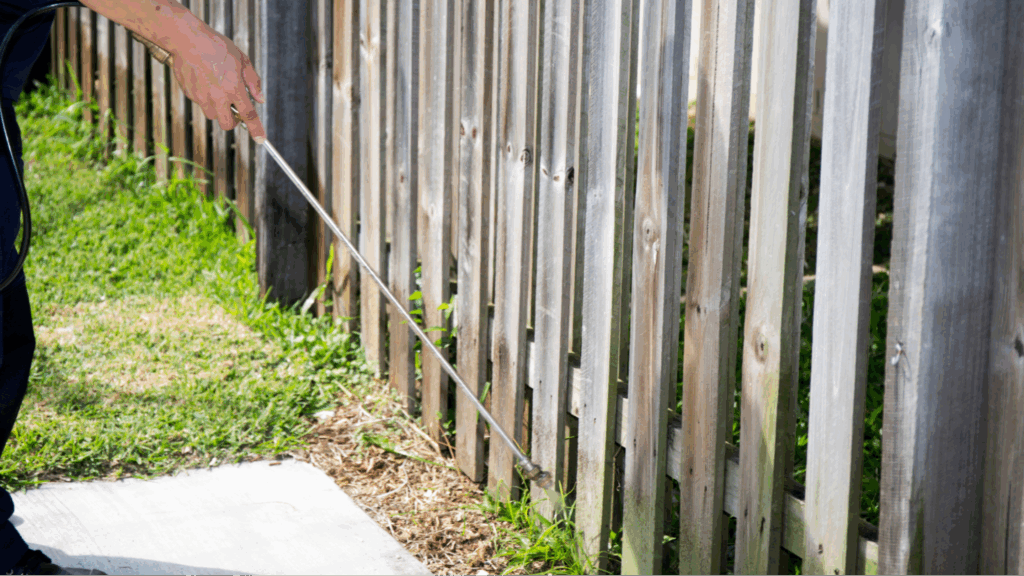
Living in Lafayette means enjoying warm weather and beautiful surroundings, but it also means dealing with pesky pests that love our climate. Whether it’s ants, mosquitoes, termites, or roaches, pests can quickly become a problem if not handled properly. The best way to keep your home safe and comfortable is through effective pest control in Lafayette starting with prevention. In this home pest control guide, we’ll share proven and practical tips on how to stop pests at home by using natural pest prevention tips, understanding common pest entry points, and implementing smart strategies for pest-proofing your house. Why Preventing Pests is Important in Lafayette Lafayette’s humid and rainy climate creates perfect conditions for many insects and rodents. Waiting for pests to show up means risking damage to your home and health issues. By focusing on ways to prevent insects indoors and around your property, you save time, money, and stress. 1. Seal All Common Pest Entry Points Pests are experts at finding small cracks and gaps to sneak into your home. Inspect areas like window frames, door gaps, plumbing fixtures, and vents carefully. Tip: Use weather stripping, caulk, or fine mesh screens to block these entry points. This simple step is one of the most effective ways of pest-proofing your house. 2. Keep Your Home Dry and Clean: A Key to Effective Pest Control One of the easiest and most important ways to prevent pests from invading your home is by keeping your living space dry and clean. Most common pests — including ants, cockroaches, silverfish, and mosquitoes — are attracted to moisture and food sources. When your home provides these, pests are naturally drawn in and can quickly multiply. Why Moisture is a Magnet for Pests Many pests thrive in damp environments. For example: How to Control Moisture Effectively The Importance of Cleanliness Food is another major attractant for pests, so maintaining cleanliness is essential to pest prevention. By controlling moisture and maintaining cleanliness, you’re addressing two of the biggest reasons pests enter homes. These simple habits form a critical part of how to stop pests at home and are vital steps in any effective home pest control guide. 3. Use Natural Pest Prevention Methods: Safe and Effective Solutions When it comes to keeping pests away, many people immediately think of harsh chemical sprays. But these can be harmful to your family, pets, and the environment. Luckily, there are plenty of eco-friendly pest control options that work just as well — without the risks. Why Choose Natural Pest Control? Natural methods are safer for indoor use, reduce chemical exposure, and often help protect beneficial insects like bees and butterflies. Plus, they align perfectly with modern natural pest prevention tips that many Lafayette homeowners prefer. Effective Natural Repellents You Can Use Today: Using these methods is a great way to reduce chemical use while keeping your home safe and pest-free. 4. Monitor and Maintain Your Yard: Your First Line of Defense Outside Your yard and garden aren’t just places to relax — they’re also where many pests begin their journey into your home. A cluttered or unkempt yard offers plenty of places for pests to hide, breed, and multiply. Yard Maintenance Tips for Pest Prevention: Why Yard Care Matters During Rainy Seasons Lafayette’s rainy monsoon season increases yard moisture, creating perfect conditions for pests like mosquitoes and termites to thrive. Regular maintenance during this time is essential to keep pests under control and protect your home from costly damage. Regular yard upkeep is a critical part of monsoon pest prevention and helps reduce the chance of infestations starting outside your door. 5. Regularly Inspect Your Home: Catch Pests Before They Become a Problem One of the best ways to stay ahead of pests is to be proactive. Instead of waiting until you see a full infestation, make it a habit to regularly check your home for early warning signs. What to Look For: By spotting these signs early, you can tackle the problem before it spreads, saving time, money, and hassle. Regular home inspections are an essential part of any effective home pest control guide. 6. Call Local Experts for Professional Help: Trusted Pest Control in Lafayette Sometimes, even the best DIY pest prevention methods aren’t enough to fully protect your home. That’s when it’s time to call in the professionals. Why Hire a Local Pest Control Company? If you want peace of mind and long-lasting protection, hiring a trusted pest control in Lafayette is a smart investment. Professionals can handle tough infestations quickly and efficiently, allowing you to enjoy a pest-free home without the stress. Final Thoughts: Take Control of Your Home with SmithIPM — Lafayette’s Best Pest Control Partner Preventing pests before they take over is always smarter—and easier—than battling a full-blown infestation. By following these proven tips—sealing common pest entry points, maintaining a clean and dry home, using natural pest prevention methods, and performing regular inspections—you can enjoy a safe, comfortable, and pest-free home all year long. When it comes to trusted, effective, and eco-friendly pest control in Lafayette, there’s no better choice than SmithIPM. With years of local experience and a commitment to safe, customized solutions, SmithIPM stands out as the top provider that Lafayette homeowners rely on to protect their homes and families. Don’t wait for pests to become a problem—take action today. Contact SmithIPM for a thorough inspection and personalized pest management plan designed specifically for your home’s needs. Your peace of mind is just a call away!
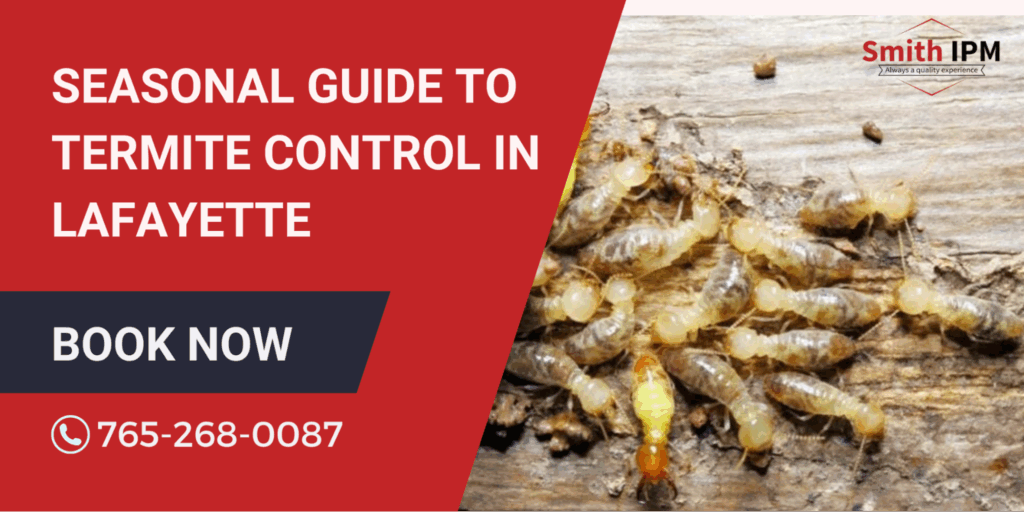
Seasonal Guide to Termite Control in Lafayette, Indiana
Termites are one of the most destructive pests in Indiana. Each year, they cause billions of dollars in property damage across the United States, and Lafayette homeowners are not immune. Unlike ants or spiders that are visible, termites often work silently inside walls, crawlspaces, and foundations. By the time you notice damage, the infestation may already be severe. This seasonal guide to termite control in Lafayette explains how termite activity changes throughout the year, what signs to look for, and why preventive measures are essential. With the right approach, you can protect your home, avoid costly repairs, and ensure long-term peace of mind. Why Termite Control Is Essential in Lafayette? Termites thrive in Indiana’s climate, where warm summers and wet springs create ideal conditions for colonies. According to the Environmental Protection Agency (EPA), termites can compromise the structural integrity of homes by feeding on wood and cellulose-based materials.. Key Facts About Termites in Indiana These factors make proactive termite control a necessity for Lafayette property owners. Seasonal Termite Activity in Lafayette, Indiana Termite behavior changes with the seasons. Understanding these patterns helps homeowners plan inspections and treatments effectively. Season Termite Activity Risk Level Recommended Action Spring The swarming season begins. Winged termites emerge to start new colonies. High Schedule inspection. Look for swarmer wings near windows and doors. Summer Colonies grow rapidly underground. Moisture increases activity. High Treat soil around the foundation. Fix leaks and drainage issues. Fall Termites move deeper underground as temperatures cool. Moderate Seal entry points. Monitor basements and crawlspaces. Winter Activity slows but termites remain active in heated structures. Low-Moderate Continue monitoring. Ensure ongoing protection with preventive plans. Spring Termite Control in Lafayette Spring is the most critical time of year for termite control Lafayette homeowners must prioritize. As temperatures rise, swarmers (winged termites) leave their colonies to create new ones. Detecting and preventing them early is key to avoiding structural damage. Signs to Watch in Spring Discarded wings near doors, windows, or light fixturesSwarming termites shed their wings after finding a new nesting spot. Piles of wings near entry points or light sources are an early indicator of active colonies nearby. Homeowners often confuse them with ant wings, making professional identification important. Mud tubes along foundations or wallsSubterranean termites build pencil-sized mud tubes to travel between soil and wood. These tubes protect them from light and dryness. Finding them along your foundation, basement walls, or crawlspaces is a strong sign of infestation that requires immediate professional attention. Soft or hollow-sounding woodTermites feed from the inside out, leaving wood looking solid on the surface but hollow within. Tapping on baseboards or beams may reveal a papery sound. Floors that sag or wood that easily crumbles are red flags of ongoing termite damage. Spring Prevention Tips Schedule a professional inspection before peak swarming seasonA trained technician can spot early signs of termite activity before swarms expand. Spring inspections help catch hidden infestations and provide time for treatment, preventing colonies from spreading into your home. Eliminate wood-to-soil contact around the foundationDirect contact between wood and soil creates a perfect entry point for termites. Keep wooden posts, decks, or siding raised above soil level. Use concrete bases or metal barriers to block access and reduce the risk of infestation. Trim shrubs and plants away from sidingDense vegetation holds moisture and creates hidden pathways for termites to move from soil to wood. By trimming shrubs and keeping mulch at least 12 inches away from siding, you reduce shelter for pests and make inspections easier. Summer Termite Control in Lafayette Indiana summers bring heat and humidity, creating ideal conditions for termite colonies to thrive. During this season, termites are most active underground, expanding tunnels and seeking new food sources. Without preventive measures, their activity can quickly spread to wooden structures in and around Lafayette homes. Summer Risks Termites expand their feeding areasIn summer, subterranean termites increase tunneling, reaching farther from the main colony in search of wood. This expansion often brings them into direct contact with decks, foundations, and wooden supports. Because the activity is hidden, damage may go unnoticed until it becomes extensive. Moisture problems (leaky pipes, clogged gutters) attract termitesExcess moisture in soil or around your foundation creates the perfect environment for termites. Leaking outdoor spigots, clogged gutters, or poor yard drainage all keep wood damp and easier for termites to invade. Moisture control is one of the most critical steps in summer termite prevention. Wooden decks, fences, and sheds are vulnerableOutdoor wooden structures face increased risk during humid summers. Termites attack untreated or older wood directly connected to soil. Deck posts, fence bases, and shed floors often serve as easy entry points into a property. Without treatment, termites can spread from these structures to the main house. Summer Prevention Tips Fix leaks and improve yard drainageCheck outdoor faucets, air conditioning lines, and gutters regularly. Repair leaks and redirect downspouts away from the foundation. Good drainage keeps soil dry, reducing conditions that attract termite colonies. Store firewood away from the homeStacks of firewood near exterior walls are an open invitation for termites. Always store firewood at least 20 feet from the house and off the ground on a rack. This prevents colonies from moving directly into your structure. Request soil treatments around the property perimeterProfessional soil treatments create a protective barrier that prevents termites from reaching your home. During summer, when termite activity is highest, perimeter treatments are one of the most effective defenses to keep colonies under control. Fall Termite Control in Lafayette As temperatures drop in Indiana, termites retreat deeper underground, but infestations often continue inside heated homes. Fall is the season to strengthen your defenses before winter sets in. Preventive actions taken now can stop hidden colonies from thriving unnoticed during the colder months. Fall Risks Termites seek shelter near heated structuresWhen outdoor soil cools, termites move closer to warmth. Heated homes, basements, and crawlspaces become attractive nesting areas. Infestations may increase indoors during fall, making professional monitoring essential to prevent colonies from spreading further
Safe & Local Pest Control in Lafayette: Why Choose Smith IPM
Pest problems in Lafayette, Indiana are more than just an inconvenience. Ants in the kitchen, rodents in the garage, or termites around your foundation can affect your health, safety, and property value. Choosing a safe and local pest control provider is not only about eliminating pests today but also about ensuring long-term protection for your family and business. This guide explains why safe pest management is essential, how local knowledge makes a difference, and why Smith IPM is trusted across Lafayette for effective and responsible pest control. Why Does Safe Pest Control Matters? Pest control is essential for protecting homes and businesses, but it should never compromise health, safety, or the environment. Today’s best practices focus on prevention, targeted treatments, and eco-friendly methods that provide effective results without unnecessary risks. Health Risks from Pests Uncontrolled pest problems can lead to serious health concerns. According to the Centers for Disease Control and Prevention (CDC), rodents can spread more than 35 diseases to humans, including hantavirus, leptospirosis, and salmonella. Cockroaches are known to carry bacteria such as E. coli and Salmonella, which can contaminate food and surfaces. Even pests that seem minor, like dust mites and cockroach droppings, can worsen asthma and allergies in children and sensitive individuals/ Ticks and mosquitoes also pose risks in Indiana. Ticks are carriers of Lyme disease and Rocky Mountain spotted fever, while mosquitoes can spread West Nile virus both reported in the Midwest. Safe pest control strategies reduce these risks by targeting pests before they cause harm. Environmental Concerns Traditional pest control often relied on broad chemical spraying, which could harm soil, water, and beneficial insects like bees. The Environmental Protection Agency (EPA) recommends Integrated Pest Management (IPM) as the most effective and environmentally responsible approach. IPM reduces the need for heavy pesticide use by focusing on prevention and monitoring. Instead of blanket treatments, IPM strategies include sealing entry points, removing food sources, and applying precise, low-risk treatments only where necessary. This approach protects pollinators, reduces chemical runoff, and helps maintain a healthier ecosystem. Safety for Families and Pets One of the biggest concerns for Lafayette homeowners is whether pest control products are safe around children and pets. Safe pest control prioritizes targeted treatments in problem areas rather than spraying unnecessary chemicals throughout the home. Many modern products are approved by the EPA for use in residential settings and carry minimal risk when applied correctly. Prevention is equally important. Simple measures like sealing cracks, fixing leaks, storing food properly, and maintaining clean outdoor spaces help reduce pest activity without any chemical use at all. By combining preventive steps with safe treatments, families in Lafayette can enjoy a pest-free home without worrying about their loved ones. Local Expertise Makes a Difference National pest control chains often treat every location the same way. But Lafayette’s climate, housing styles, and seasonal pest patterns require local experience. Seasonal Pest Activity in Lafayette Here is a quick breakdown of what homeowners and businesses face throughout the year: Season Common Pests Why They Appear Prevention Tips Spring Ants, spiders, termites Rising temperatures bring pests indoors Schedule inspections, install and monitor termite bait stations Summer Mosquitoes, wasps, flies Standing water and warm weather Remove water sources, use safe mosquito control Fall Rodents, stink bugs, beetles Pests seek shelter indoors Seal cracks, set monitoring traps Winter Mice, rats, cockroaches Cold drives pests inside homes and businesses Install door sweeps, check basements & attics A local provider understands these patterns and tailors prevention strategies for Lafayette homes and businesses. Community Trust Hiring a Lafayette-based pest control service means working with neighbors who understand the area and care about long-term relationships. Unlike national chains, local providers like Smith IPM prioritize responsiveness, personal attention, and accountability. What Is Integrated Pest Management (IPM)? Integrated Pest Management (IPM) is a modern, science-based, and environmentally responsible approach to pest control. Unlike traditional methods that rely heavily on chemical treatments, IPM focuses on long-term prevention and safe solutions. The goal is not only to eliminate current pests but also to reduce the chance of future infestations. This method is recommended by the Environmental Protection Agency (EPA) and is widely used in homes, schools, and businesses because it balances effectiveness, safety, and sustainability. Here’s how IPM works in practice: Inspection & Monitoring The first step in any IPM program is a thorough inspection. Trained professionals check inside and outside the property to identify early signs of pest activity. Monitoring tools such as sticky traps, pheromone traps, or rodent stations may also be used to track pest populations over time. By catching problems early, treatment can be more targeted and less disruptive. Prevention Prevention is the foundation of IPM. Instead of waiting for pests to cause damage, IPM focuses on removing the conditions that attract them in the first place. In Lafayette, preventive steps are especially important during seasonal changes when ants, spiders, or rodents look for shelter indoors. Targeted Treatments When prevention and monitoring indicate that treatment is necessary, IPM uses safe, low-risk options first. These may include baits, traps, or biological controls (such as natural predators for certain pests). Chemical treatments are considered only when other methods are not sufficient, and even then, they are applied in specific, targeted areas to minimize exposure. For example: Ongoing Protection Pest control is not a one-time job. IPM emphasizes regular follow-ups and preventive care to maintain a pest-free environment. Many homeowners and businesses benefit from quarterly visits, which provide: This ongoing approach ensures year-round peace of mind and reduces the likelihood of recurring infestations. Residential Pest Control in Lafayette Homeowners in Tippecanoe County want a safe, comfortable environment for their families. Common issues include ants in the spring, mosquitoes in the summer, and rodents in colder months. Benefits of Choosing Local Home Pest Control When it comes to protecting your home, choosing a local pest control Lafayette provider offers unique advantages. Unlike large national companies that use one-size-fits-all programs, a neighborhood-based service understands the specific challenges homeowners face in Tippecanoe County. Here are
How to Stop Flies from Entering Your Business: Expert Commercial Fly Control Tips

Flies aren’t just annoying—they can seriously harm your business reputation and hygiene. Whether you own a restaurant, retail shop, or office, keeping flies out is essential for customer satisfaction, food safety, and regulatory compliance. In this blog, we’ll share the latest, proven strategies for commercial fly control to help you keep flies out of your store and maintain a clean, fly-free environment. Why Effective Fly Control Matters for Businesses Flies carry harmful bacteria and pathogens that can contaminate food and surfaces. In restaurants, even a single fly sighting can lead to lost customers and health department penalties. For retail stores and offices, flies create an unprofessional and unsanitary impression. That’s why flies in restaurant solutions and other businesses require a focused pest control plan to prevent infestations before they start. Proven Ways to Stop Flies from Entering Your Business 1. Install Physical Barriers and Screens One of the simplest and most effective ways to prevent flies is by using physical barriers: 2. Maintain Strict Sanitation Practices Flies are attracted to food residues, garbage, and damp areas. Good hygiene is a cornerstone of restaurant hygiene and pest control. 3. Use Fly Traps and Deterrents Strategically These tools complement your overall commercial fly control strategy. 4. Seal Cracks and Entry Points Flies can sneak in through tiny openings around doors, windows, and utility lines. 5. Manage Outdoor Areas Flies breed in garbage, compost, and standing water near your business. Fly Prevention Tips for Specific Business Types When to Call Professional Pest Control for Businesses DIY methods are essential but may not fully solve serious fly problems. Trusted pest control for businesses like SmithIPM offer: Professionals ensure you maintain a fly-free business environment that meets all health and safety standards. Final Thoughts: Act Now to Safeguard Your Business from Flies Flies aren’t just irritating—they pose serious health risks and can quickly tarnish your business’s hard-earned reputation. A single fly sighting can turn customers away and invite costly regulatory issues. Don’t wait for pests to become a problem. By applying these proven fly prevention techniques, you can confidently keep flies out of your store, protect your customers, and uphold impeccable standards of cleanliness and hygiene. When it comes to commercial fly control in Lafayette and beyond, SmithIPM is the trusted partner businesses rely on. Our expert team offers customized, effective, and eco-friendly pest management solutions designed to keep your business pest-free, safe, and thriving—so you can focus on what matters most: your success. Frequently Asked Questions (FAQs)