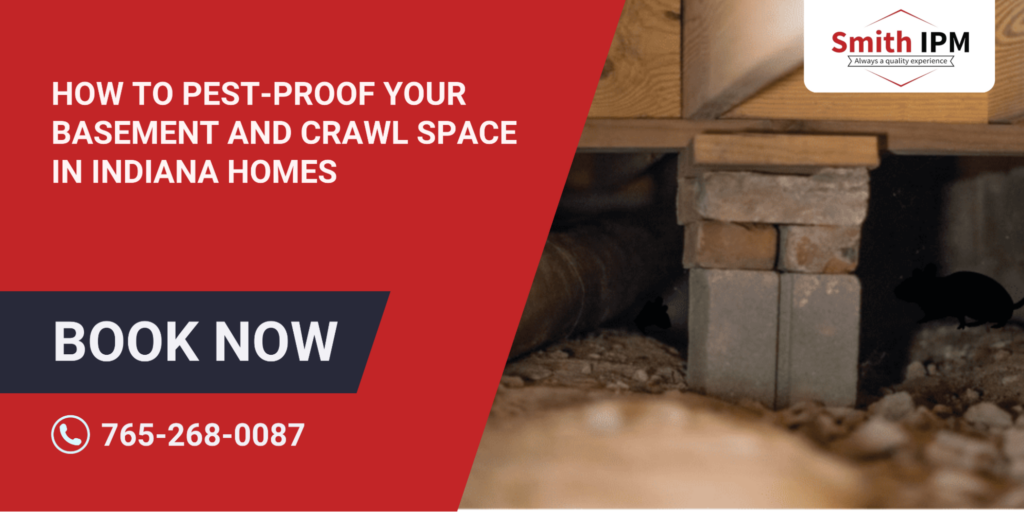
Basements and crawl spaces often serve as the starting point for pest problems in Indiana homes. These areas are dark, quiet, and often damp. That makes them ideal for rodents, spiders, ants, termites, silverfish, and other pests. A good pest control service can help when activity starts, but the best results come from prevention. If you want to keep pests out for the long term, you need to make your basement and crawl space less inviting in the first place.
In Indiana, changing seasons also worsen the problem. Wet springs, humid summers, and cold winters can push pests toward sheltered areas under and inside the home. Moisture, cracks, wood-to-soil contact, and clutter all provide pests with what they need. The good news is that most pest-proofing steps are simple and practical. When you fix moisture, close entry points, improve storage, and check for early warning signs, you can lower your risk in a big way.
This guide explains how to pest-proof your basement and crawl space in Indiana homes using clear, proven steps. It also covers which pests are most common, what conditions attract them, and when to call a professional.
Why Basements and Crawl Spaces Attract Pests in Indiana
Pests are always looking for three things:
- Water
- Shelter
- Food
Basements and crawl spaces often provide all three. Even a very clean home can still have a pest issue if the lower level stays damp or has easy access points.
Common reasons pests move in
- Condensation on pipes
- High humidity
- Water leaks
- Poor drainage near the foundation
- Gaps around utility lines
- Cracks in the foundation
- Unsealed vents
- Cardboard boxes and stored clutter
- Wood touching soil
- Pet food, bird seed, or pantry overflow stored below grade
The U.S. Environmental Protection Agency says indoor humidity should stay below 60 percent, and ideally between 30 and 50 percent, to help prevent mold and moisture problems. Moisture control matters because damp areas also support many pest problems.
Purdue notes that termites need wood for food and soil for moisture, and that wood in contact with soil is ideal for termite development. That makes crawl spaces and unfinished basements high-risk areas when moisture is present.
The Pests Most Often Found in Indiana Basements and Crawl Spaces
Different pests use these spaces in different ways. Some hide there. Some breed there. Others use them as a path into the living area.
Rodents
Mice and rats use crawl spaces and basements for warmth, nesting, and travel. The CDC says mice can fit through a hole about the width of a pencil, which means very small gaps can become entry points.
Termites
Subterranean termites are one of the biggest structural threats in Indiana. They move through soil and seek moisture-rich wood. Crawl spaces with damp wood or wood in contact with soil are a common source of risk.
Spiders and crawling insects
Spiders, centipedes, silverfish, earwigs, and ants often move into damp, low-light areas. These pests may not damage the structure, but they can spread throughout the rest of the home quickly when conditions remain favorable.
Cockroaches
Some cockroach species prefer damp, protected spaces near drains, pipes, and cracks. A cluttered basement can support hidden activity for a long time before the problem becomes visible upstairs.
Quick Risk Table for Indiana Homeowners
| Condition in Basement or Crawl Space | Pest Risk It Creates | Best Fix |
| Standing water or damp soil | Termites, ants, roaches, silverfish | Drainage correction and moisture control |
| Humidity above 60 percent | Mold, moisture pests, and wood damage | Dehumidifier and ventilation review |
| Gaps around pipes and wires | Mice, rats, insects | Seal openings with proper materials |
| Wood touching soil | Termites and carpenter ants | Create clearance and replace damaged wood |
| Cardboard storage and clutter | Rodents, spiders, roaches | Use plastic bins and keep the floor area open |
| Unscreened vents | Rodents, wasps, and insects | Install tight-fitting screens |
| Cracks in foundation walls | Insects and rodents | Seal and monitor regularly |
Step 1: Start with Moisture Control
If you do only one thing, start here. Moisture is the main reason many pests stay active in lower levels of the home.
What to check
- Leaking pipes
- Dripping hose bibs near the foundation
- Wet insulation
- Musty odors
- Condensation on ducts or plumbing
- Damp concrete walls
- Water stains after rain
- Pooled water in the crawl space
What to do
Keep humidity in check
Use a hygrometer to check humidity. Aim for 30 to 50 percent. If the area stays above that range, add a dehumidifier in the basement or have the crawl space reviewed for moisture control needs. EPA guidance supports keeping humidity below 60 percent to reduce mold and moisture issues.
Move water away from the home
Clean gutters and extend downspouts to drain water away from the foundation. Make sure the soil slopes away from the house. Small drainage issues can create long-term dampness below grade.
Fix plumbing leaks fast
Even a slow drip can support pests over time. Repair leaking valves, pipe joints, and appliance lines as soon as you see them.
Cover bare soil in crawl spaces
If your crawl space has exposed soil, moisture from the ground can rise into the space. A vapor barrier may help reduce moisture movement, depending on the structure and local conditions.
Step 2: Identify Entry Points That Should Be Sealed
Once moisture is under control, the next step is to plan exclusion. This means identifying the small openings pests use to get in and noting which areas should be sealed to help reduce pest access
The CDC says to inspect inside and outside the home for gaps around the foundation, pipes, vents, floor drains, and utility lines, including in basements and crawl spaces.
Areas to inspect closely
- Around plumbing lines
- Around electrical and cable entry points
- Around dryer vents
- Along the sill plate
- Crawl space vent edges
- Foundation cracks
- Around the basement windows
- Around door thresholds
- Floor and wall joints
Common materials homeowners or contractors may use for sealing
- Silicone or exterior-grade caulk for small gaps
- Copper mesh or steel wool with sealant for rodent-prone openings
- Cement-based patch for masonry cracks
- Door sweeps and weather stripping
- Tight metal screens for vents
Do not use soft foam alone in rodent-prone areas. Rodents can chew through weak materials.
Step 3: Remove Clutter and Improve Storage
A basement full of cardboard boxes is an easy shelter for pests. Clutter also makes inspections harder and gives rodents and insects more places to hide.
Better storage habits
- Replace cardboard with sealed plastic bins
- Keep stored items off the floor
- Leave space between boxes and walls
- Avoid storing paper, fabric, pet food, and bird seed in open containers
- Remove old wood, newspapers, and unused items
This step also helps you spot droppings, shed skins, gnaw marks, and moisture problems sooner.
Step 4: Protect Wood and Structural Areas
Wood damage can begin where moisture and hidden pest activity meet. That is why crawl spaces deserve regular checks, even when no problem seems obvious.
Focus on these risk points
- Floor joists
- Sill plates
- Support beams
- Subfloor areas
- Wooden stairs in unfinished basements
- Stored lumber
- Fence or deck attachment points near the house
Purdue advises avoiding wood-to-soil contact because it supports termite activity.
Smart prevention steps
- Keep firewood away from the foundation
- Remove scrap lumber from crawl spaces
- Replace water-damaged wood
- Keep mulch and heavy organic material from piling against the home
- Watch for mud tubes, soft wood, or blistered surfaces
Step 5: Make Crawl Space Vents and Basement Windows Less Inviting
Openings that support airflow can also become access points for pests if they are damaged or loose.
Check for
- Torn vent screens
- Loose vent covers
- Gaps around basement windows
- Rotten window frames
- Damaged weather stripping
- Missing door sweeps on walkout basement doors
Fixes that help
- Add secure metal mesh screens
- Repair loose frames
- Replace damaged trim
- Keep window wells clean and draining properly
- Trim vegetation away from openings
Step 6: Reduce Food Sources
Many homeowners think pests only come for crumbs in the kitchen. In reality, basements and crawl spaces can also hold food sources.
Hidden food sources below grade
- Pet food bags
- Grass seed or bird seed
- Pantry overflow
- Fallen fruit stored in cool areas
- Rodent bait left unsecured from old treatments
- Dead insects, which feed spiders and other pests
Use sealed containers and keep the area clean. Vacuum webs, insect remains, and dust often occur in unfinished spaces.
Step 7: Watch for Early Warning Signs
Pest proofing works best when you catch problems early.
Signs to look for
Rodents
- Droppings
- Gnaw marks
- Grease marks on edges
- Scratching sounds
- Shredded nesting material
Termites
- Mud tubes
- Damaged or hollow-sounding wood
- Swarmers near windows
- Discarded wings
Moisture pests
- Silverfish or centipedes near damp walls
- Musty smell
- Mold growth
- Wet insulation
General insect activity
- Egg cases
- Shed skins
- Dead insects near sills or lights
If you already see more than one of these signs, prevention alone may not be enough.
Seasonal Pest-Proofing Checklist for Indiana Homes
Spring
- Check gutters and downspouts
- Look for termite activity
- Inspect vent screens
- Test humidity levels
Summer
- Run dehumidifiers
- Watch for ant and spider activity
- Trim vegetation near the foundation
- Check for condensation on pipes
Fall
- Seal cracks before temperatures drop
- Inspect for rodent entry points
- Remove clutter before winter nesting starts
- Store firewood away from the house
Winter
- Monitor for mice in the basement storage
- Check door sweeps and thresholds
- Look for moisture from poor ventilation
- Schedule an inspection if activity continues
When DIY Steps are Enough and When to Call a Professional
Basic prevention works well for many homes. But some issues need expert help.
DIY may be enough if
- You found a minor gap and sealed it
- Humidity is slightly high but manageable
- You are improving storage and cleanup
- You have not seen active infestations
Call a professional if
- You see termite signs
- Rodent activity keeps returning
- The crawl space stays damp after basic fixes
- There is damaged wood
- You smell strong, musty odors
- You find repeated droppings, nests, or live pests
FAQ
How do I keep bugs out of my basement and crawl space?
Start with moisture control, then seal gaps, improve storage, repair screens, and remove wood and clutter that give pests shelter. Regular checks matter because most infestations start small.
What humidity level helps prevent pests in a basement?
A good target is 30 to 50 percent relative humidity. EPA says indoor humidity should stay below 60 percent, ideally between 30 and 50 percent.
Can mice get into a crawl space through very small holes?
Yes. The CDC says mice can fit through a hole about the width of a pencil. That is why small utility gaps and foundation openings need attention.
Do termites live in crawl spaces in Indiana?
They can. Subterranean termites are drawn to moisture and wood, especially where wood touches soil or stays damp. Crawl spaces are one of the most common risk zones.
Is a damp crawl space enough to attract pests?
Yes. Damp air, wet soil, and condensation can attract termites, ants, silverfish, roaches, and rodents looking for water and shelter. Fixing moisture often reduces pest pressure fast.
Final Thoughts
Pest-proofing your basement and crawl space is one of the smartest ways to protect an Indiana home. These lower-level spaces often cause problems long before pests show up in the kitchen or living room. By lowering moisture, sealing entry points, cleaning up storage, and watching for warning signs, you can prevent many issues before they become expensive repairs.
If you want a prevention-first plan built for Indiana homes, a local inspection can help you find hidden trouble spots and practical next steps. For homeowners who want long-term protection with a clear, professional approach, Smith IPM.