Restaurants must meet strict health and safety rules. Clean kitchens, safe food storage, and pest prevention are all part of these rules. One pest sighting can cause serious problems during a health inspection.
Pests such as rodents, cockroaches, flies, and ants carry bacteria that contaminate food and surfaces. Health inspectors look closely for signs of these pests. Even small problems can lead to warnings, fines, or temporary closure.
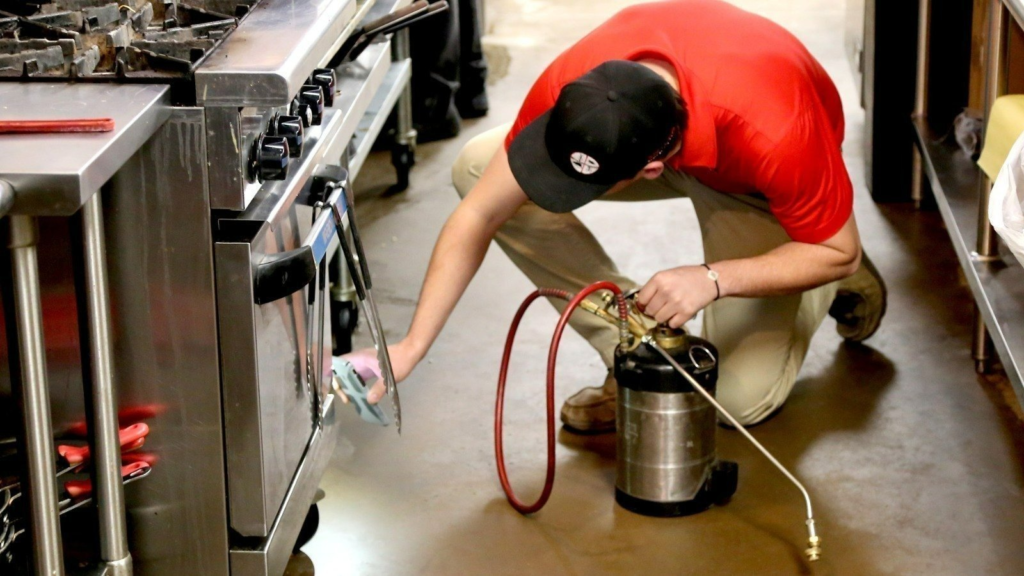
For restaurant owners and managers, pest prevention is not optional. It is a key part of daily operations. Many local businesses rely on pest control Lafayette services to protect their kitchens and maintain compliance with food safety regulations.
This guide explains how pests affect restaurants, what inspectors look for, and how to prevent infestations before they damage your reputation or your business.
Why Pest Control Matters in Restaurants
Restaurants provide everything pests need.
• Food
• Water
• Shelter
• Warm environments
These conditions attract insects and rodents quickly.
According to the Food and Drug Administration Food Code, food facilities must control pests to prevent contamination of food products.
If pests enter a restaurant, they can spread harmful bacteria such as Salmonella, E. coli, and Listeria.
The Centers for Disease Control and Prevention reports that foodborne illnesses affect about 48 million people each year in the United States.
Many outbreaks begin with poor sanitation or pest contamination in food facilities.
Common Pests Found in Restaurants
Restaurants in Lafayette often face similar pest problems due to food waste, storage areas, and warm kitchens.
1. Cockroaches
Cockroaches are one of the most dangerous restaurant pests.
They spread bacteria and contaminate surfaces.
They hide in
• kitchen equipment
• drains
• storage rooms
• wall cracks
Cockroaches reproduce quickly and survive in small spaces.
2. Rodents
Mice and rats often enter restaurants through gaps in walls or doors.
They chew packaging, contaminate food supplies, and damage wiring.
Rodents also leave droppings that can spread disease.
3. Flies
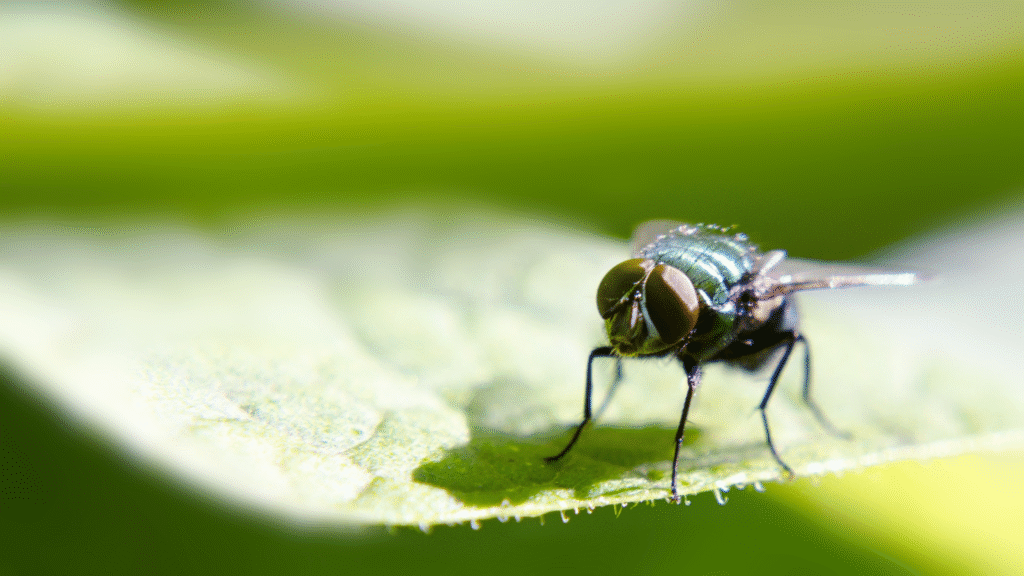
Flies carry bacteria from trash and drains to food preparation areas.
Common restaurant flies include
• house flies
• fruit flies
• drain flies
Flies are especially active near food waste and standing water.
4. Ants
Ants enter restaurants in search of sugar and grease.
They often appear near beverage stations, dish areas, and food prep counters.
Once ants locate food sources, they quickly form trails that lead other ants into the building.
5. Stored Product Pests
Some pests target dry food products.
Examples include
• grain beetles
• flour moths
• pantry beetles
These pests infest stored ingredients such as flour, rice, cereals, and spices.
Health Inspection Requirements for Restaurants
Health inspectors check several areas when evaluating restaurants.
Understanding these checks helps restaurant owners stay compliant.
Key Inspection Areas
| Inspection Area | What Inspectors Check |
| Food storage | Proper sealing and safe storage |
| Cleanliness | Sanitized surfaces and equipment |
| Waste management | Proper trash storage and removal |
| Structural integrity | No gaps or entry points for pests |
| Pest activity | Droppings, nests, insects, or rodents |
A single pest sighting may cause a restaurant to fail inspection.
Local health departments follow rules based on the FDA Food Code and state regulations.
Signs of Pest Activity in Restaurants
Restaurant staff should watch for warning signs of pests.
Early detection prevents serious problems.
Droppings
Rodent droppings often appear near food storage areas.
Chewed Packaging
Rodents chew food boxes and plastic containers.
Dead Insects
Dead cockroaches or beetles may appear in corners or storage rooms.
Strong Odors
Rodent infestations often produce a strong ammonia smell.
Pest Sightings
Seeing pests during the day usually means a larger infestation exists.
Areas of Restaurants Most at Risk
Certain areas attract pests more than others.
Restaurant owners should monitor these spaces regularly.
Kitchens
Food crumbs and grease attract cockroaches and ants.
Storage Rooms
Dry ingredients attract pantry pests.
Trash Areas
Outdoor dumpsters attract flies and rodents.
Drains
Moist environments attract drain flies.
Delivery Areas
Open doors during deliveries allow pests to enter.
How Pest Problems Affect Restaurant Reputation
Customers expect restaurants to maintain high hygiene standards.
A pest sighting in a dining area can spread quickly through social media and online reviews.
Negative publicity can lead to
• loss of customers
• health department investigations
• reduced ratings
• revenue loss
According to industry studies, a single viral photo of pests inside a restaurant can damage a brand for years.
Maintaining strict pest prevention helps protect both reputation and customer trust.
Integrated Pest Management for Restaurants
Integrated pest management is the most effective strategy for food facilities.
This approach focuses on prevention rather than reacting after infestations occur.
Integrated pest management includes
• monitoring pest activity
• sealing entry points
• sanitation improvements
• targeted treatment methods
This method reduces chemical use and focuses on long term solutions.
Many commercial kitchens rely on this strategy to maintain food safety compliance.
Restaurant Pest Prevention Checklist
Restaurant owners can reduce pest risks by following these simple steps.
Daily Tasks
• clean food prep surfaces
• remove food debris
• empty trash containers
• wipe grease buildup
Weekly Tasks
• inspect storage areas
• clean drains
• check for pest droppings
• inspect door seals
Monthly Tasks
• inspect building exterior
• repair cracks or holes
• evaluate waste storage areas
• review pest monitoring logs
Consistent routines help reduce pest activity.
Structural Maintenance Tips
Pests often enter buildings through small openings.
Restaurant managers should inspect the structure regularly.
Important steps include
• sealing wall cracks
• repairing damaged screens
• installing door sweeps
• sealing gaps around pipes
Even small openings allow pests to enter.
Safe Food Storage Practices
Food storage plays a major role in pest prevention.
Follow these basic rules.
Use sealed containers
Store dry ingredients in airtight containers.
Elevate storage
Keep food at least six inches above the floor.
Rotate stock
Use older inventory first to avoid long term storage.
Inspect deliveries
Check incoming shipments for pest signs before accepting them.
These practices reduce pest attraction.
Waste Management Best Practices
Trash areas attract flies and rodents quickly.
Restaurants should manage waste carefully.
Important steps include
• using sealed trash containers
• cleaning dumpsters regularly
• removing garbage daily
• keeping dumpster lids closed
Outdoor trash areas should remain clean and organized.
Importance of Professional Pest Monitoring
Professional pest monitoring provides extra protection for restaurants.
Commercial pest control services provide
• regular inspections
• pest monitoring systems
• safe treatment plans
• compliance documentation
Documentation helps restaurants demonstrate compliance during health inspections.
Monitoring programs help identify pest activity early before it becomes a serious issue.
Cost of Pest Infestations in Restaurants
Pest infestations can lead to serious financial loss.
Possible costs include
| Cost Type | Impact |
| Health fines | Financial penalties |
| Temporary closure | Loss of revenue |
| Food contamination | Wasted inventory |
| Reputation damage | Loss of customers |
Preventive pest management is far less expensive than dealing with an infestation.
Benefits of Preventive Pest Control
Restaurants that implement preventive pest control experience several benefits.
• improved food safety
• smoother health inspections
• reduced pest risk
• stronger customer trust
• better reputation
Proactive prevention helps restaurants operate smoothly.
FAQ Section
Why are restaurants inspected for pests?
Health inspectors check restaurants for pests to prevent food contamination and protect public health.
What pests are most common in restaurants?
Cockroaches, rodents, flies, ants, and stored product pests are the most common restaurant pests.
How often should restaurants schedule pest control?
Most restaurants benefit from monthly pest inspections and monitoring.
Can a restaurant be shut down for pest problems?
Yes. Severe infestations or repeated violations can lead to temporary closure by health authorities.
What attracts pests to restaurants?
Food waste, moisture, poor sanitation, and structural openings attract pests.
Conclusion
Pest prevention is an essential part of restaurant management. Kitchens, storage rooms, and waste areas can easily attract insects and rodents if sanitation and monitoring are not maintained.
Understanding health inspection requirements and maintaining strict pest control routines helps restaurants protect their reputation and keep customers safe. Preventive strategies such as sanitation, structural maintenance, and professional monitoring help reduce pest risks before they affect operations.
For restaurants in Lafayette that want reliable protection and long term pest prevention, professional pest management support can make a major difference. Businesses looking for experienced pest control solutions often rely on Smith IPM to maintain clean, compliant, and pest free environments.