
Living in West Lafayette has many benefits. It is a friendly college town with strong neighborhoods, parks, and family homes. But like most Indiana cities, it also has recurring pest problems. Seasonal weather changes, older homes, nearby wooded areas, and moisture problems all play a role.
For many homeowners, pest problems do not appear once. They come back again and again. This is why pest control lafaytte indiana searches increase during spring and summer. Local homeowners want answers, not sales talk. They want to know what pests are common, why they keep coming back, and how to stop them for good.
This guide explains the top five pest problems West Lafayette homeowners face every year, based on local trends, climate patterns, and real service data. It also explains when pests appear, what damage they cause, and what steps can help prevent infestations.
This article is written to help homeowners, renters, and property managers make informed decisions and protect their homes year-round.
Why Pest Problems Are Common in West Lafayette?
West Lafayette sits in Tippecanoe County and experiences all four seasons. Each season brings a different pest threat.
Key local factors include:
- Cold winters that drive pests indoors
- Warm, humid summers that increase breeding
- Older homes with small gaps and cracks
- Nearby woods, fields, and water sources
- Student housing turnover that increases pest movement
According to the National Pest Management Association, over 90 percent of homeowners in the Midwest report at least one pest issue each year. Indiana ranks high for ants, spiders, rodents, and mosquitoes.
Top 5 Pest Problems West Lafayette Homeowners Face Every Year
1. Ant Infestations in Kitchens and Bathrooms
Ants are the most common household pest in West Lafayette. They appear early in spring and remain active through fall.
Why are ants a yearly problem?
Ants look for food and water. Even clean homes attract them.
Common causes include:
- Moisture under sinks
- Crumbs and spills
- Pet food bowls
- Cracks in foundations
- Landscaping touching the home
Once ants find a food source, they leave scent trails. This causes repeat infestations.
Most common ants in West Lafayette
| Ant Type | Where Found | Main Risk |
| Pavement ants | Driveways, walls | Food contamination |
| Carpenter ants | Wood structures | Structural damage |
| Odorous house ants | Kitchens | Rapid spread |
Carpenter ants are a serious concern. They do not eat wood, but they hollow it out. Over time, this weakens beams and walls.
DIY sprays often kill visible ants but do not eliminate the colony or address the conditions attracting them. This is why ant problems return each year without a prevention-focused plan.
2. Spiders Inside Homes and Garages
Spiders are among the most frequently reported pest complaints in West Lafayette, especially in late summer and fall.
Why spiders keep coming back
Spiders enter homes for shelter and food. If insects are present, spiders will follow.
Common hiding spots include:
- Basements
- Garages
- Attics
- Window frames
- Storage boxes
Indiana is home to over 400 spider species, according to Purdue University Extension. Most are harmless, but their presence causes stress for homeowners.
Spiders are commonly found in West Lafayette
- House spiders
- Wolf spiders
- Cellar spiders
- Jumping spiders
While most are not dangerous, some homeowners worry about bites, especially around children.
Why is spider control difficult?
Spiders do not groom themselves. This makes many sprays less effective. Long-term control focuses on removing insects and webs.
3. Mosquito Problems During Warm Months
Mosquitoes are a major outdoor pest from late spring through early fall.
Why mosquitoes thrive locally?
West Lafayette has:
- Standing water
- Heavy summer rain
- Warm humidity
- Shaded yards
Mosquitoes can breed in as little as one inch of water. Common breeding areas include:
- Bird baths
- Gutters
- Plant saucers
- Kiddie pools
Health risks
According to the Centers for Disease Control and Prevention, mosquitoes can spread:
- West Nile virus
- Eastern equine encephalitis
- Zika virus
Indiana reports West Nile cases almost every year.
Why yard treatments matter
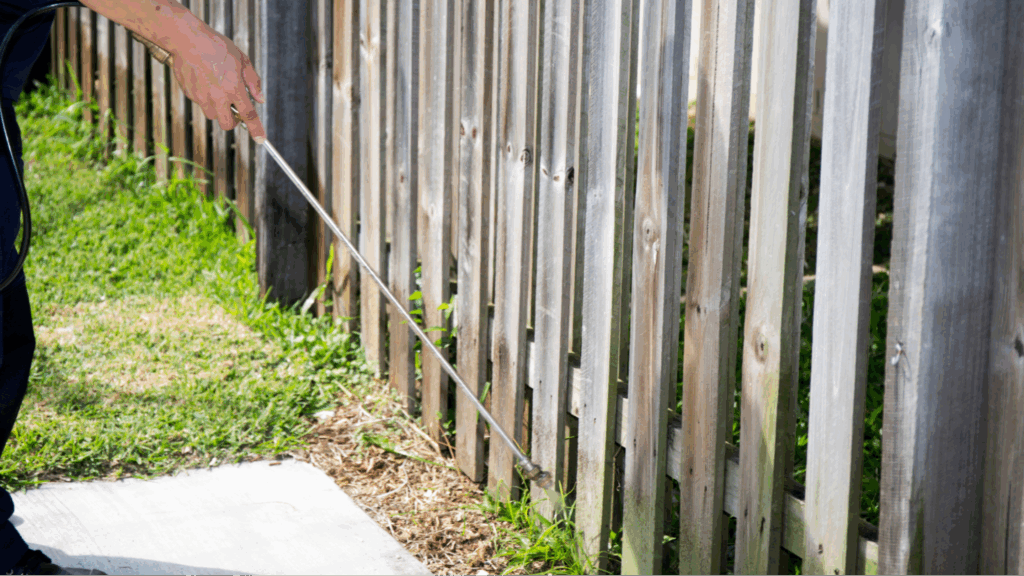
Indoor sprays do nothing for mosquitoes. Effective control focuses on outdoor resting areas like shrubs, decks, and fence lines.
4. Rodents Entering Homes in Fall and Winter
Rodents become a major problem as temperatures drop.
Common rodents in West Lafayette
- House mice
- Deer mice
- Norway rats
Rodents can enter homes through gaps as small as a quarter inch, often through foundation cracks, utility penetrations, and attic openings.
Risks caused by rodents
- Chewed wires
- Fire hazards
- Droppings
- Food contamination
- Disease transmission
The CDC reports that rodents can spread over 35 diseases worldwide.
Signs of rodent activity
- Scratching sounds
- Droppings
- Gnaw marks
- Grease marks along walls
Rodents breed quickly. One pair of mice can produce dozens of offspring in a year.
5. Wasps and Stinging Insects Around Homes
Wasps are a serious seasonal issue from late spring to early fall.
Common wasps in West Lafayette
- Paper wasps
- Yellow jackets
- Bald-faced hornets
Wasps build nests under eaves, decks, and siding.
Why are wasps dangerous?
- Aggressive behavior
- Multiple stings
- Allergy risks
According to the National Safety Council, stinging insects cause over 60 deaths per year in the United States.
Why nest removal is risky
DIY removal often leads to stings. Professional removal reduces risk and prevents repeat nesting.
Seasonal Pest Activity Calendar for West Lafayette
| Season | Common Pests |
| Spring | Ants, termites, wasps |
| Summer | Mosquitoes, spiders, flies |
| Fall | Rodents, spiders, ants |
| Winter | Mice, rats, and occasional spiders |
This cycle repeats every year. Prevention works best when planned seasonally.
Why Year-Round Pest Prevention Works Better?
One-time treatments offer short relief. Pests return because conditions remain.
Year-round protection focuses on:
- Inspection
Identifies early signs of pest activity, entry points, and conditions that attract pests, so homeowners can address risk factors before infestations grow. - Monitoring
Tracks pest activity throughout the year to catch problems early and adjust treatments based on seasonal changes. - Exclusion
Focuses on identifying and recommending structural improvements that help block pests from entering and nesting indoors. - Targeted treatments
Applies treatments only where pests are active, as part of a broader prevention strategy designed for long-term control.
Integrated Pest Management uses these steps to reduce pest pressure over the long term.
You can learn more about IPM from the Environmental Protection Agency at epa.gov.
Simple Steps Homeowners Can Take
- Seal cracks and gaps
Work with your pest professional to identify openings around doors, windows, foundations, and utility lines that should be sealed to reduce pest entry. - Keep gutters clean
Regularly remove leaves and debris to prevent standing water and moisture buildup that can attract insects. - Reduce moisture
Address leaks and ventilation issues that may create damp conditions where pests thrive. - Store food properly
Use sealed containers for pantry items, and promptly clean up crumbs, spills, and pet food. - Trim plants away from the siding
Cut back shrubs and branches to remove pest pathways and reduce hiding areas near the home. - Schedule regular inspections
Professional inspections help identify hidden entry points, moisture issues, and early signs of pest activity, providing homeowners with clear recommendations for long-term prevention.
These steps help, but professional inspections catch hidden issues.
Frequently Asked Questions
What is the most common pest problem in West Lafayette homes?
Ants are the most common issue, followed by spiders and rodents.
When should I schedule pest control service?
Spring and fall are ideal. Many homeowners choose quarterly service for year-round protection.
Are pests worse in older homes?
Yes. Older homes often have more entry points and are more prone to moisture problems.
Can pests cause health problems?
Yes. Rodents and mosquitoes pose the highest health risks.
Is professional pest control worth it?
Professional services focus on prevention, not just removal. This reduces the risk of repeat infestations and long-term costs.
Final Thoughts
Pest problems in West Lafayette are not random. They follow predictable seasonal patterns. Ants, spiders, mosquitoes, rodents, and wasps return each year because conditions allow them to thrive.
Homeowners who understand these patterns can take action before pests become a serious issue. Long-term prevention protects your home, your health, and your peace of mind.
For homeowners seeking local, prevention-focused pest protection backed by experience and care, Smith IPM works alongside Indiana families to deliver trusted, long-term pest solutions.