Paper wasps might seem like just another summer nuisance, but these stinging insects pose significant risks to your home and family that shouldn’t be underestimated. At Smith IPM, we’ve been providing expert pest control services for over two decades across nine Midwest states, and we’ve seen firsthand how paper wasp infestations can quickly escalate from a minor annoyance to a serious hazard.
Understanding Paper Wasps
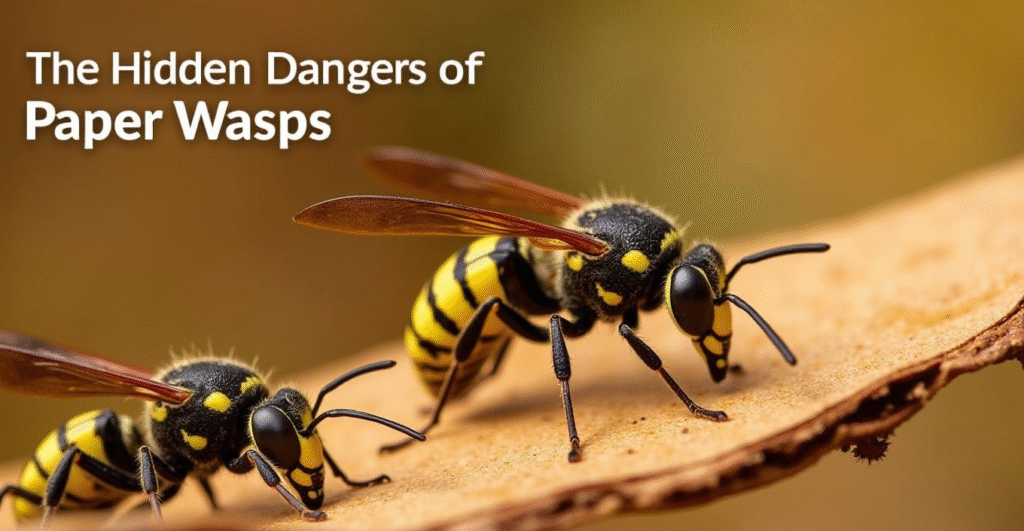
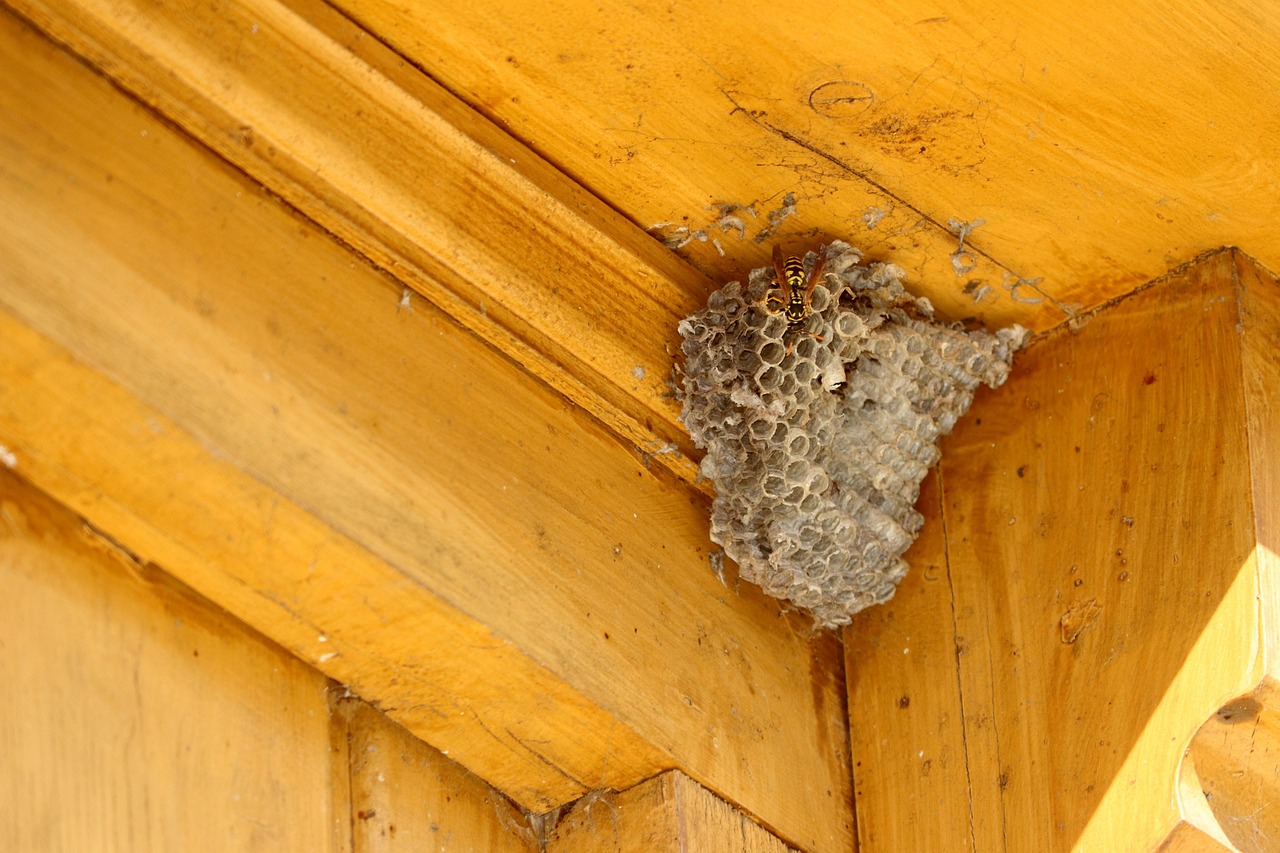
Paper wasps are distinctive stinging insects that measure between 5/8 to 3/4 inches in length, typically displaying reddish-brown to black coloration with yellow markings. They earned their name from their unique nest-building behavior—scraping wood from houses and structures, then chewing it into a pulp to create their characteristic umbrella-shaped paper nests.
Unlike some more docile insects, paper wasps are social creatures that aggressively defend their territory when threatened. This defensive behavior makes them particularly dangerous when nests are established near human activity.
Why Paper Wasps Are Problematic for Homeowners
Aggressive Defense Mechanisms
While paper wasps aren’t typically aggressive when away from their nests, they become extremely territorial and defensive when they perceive their colony is under threat. A single disturbance to their nest—whether intentional or accidental—can trigger multiple wasps to attack simultaneously, resulting in painful, potentially dangerous stings.
Structural Damage Concerns
Beyond the immediate threat of stings, paper wasps can cause ongoing damage to your home. Their habit of scraping wood from houses, decks, and outbuildings for nest construction can, over time, damage wooden structures and compromise protective finishes on your home’s exterior.
Health Risks from Stings
Paper wasp stings are painful for everyone, but for those with allergies, they can be life-threatening. Even individuals without known allergies can develop severe reactions after multiple stings. Symptoms of serious reactions include:
- Excessive swelling beyond the sting site
- Difficulty breathing
- Dizziness or rapid heartbeat
- Nausea or stomach cramps
For families with young children or pets who might accidentally disturb a nest, the risk becomes even more significant, as they may not understand the danger or be able to escape quickly.
Common Nesting Areas Around Your Property
Paper wasps strategically build their nests in protected areas that offer shelter from the elements while providing easy access to food sources. Being aware of these common nesting sites can help you identify potential problem areas:
- Under eaves and overhangs of homes
- Inside attics with exterior access points
- Within the garage or shed rafters
- Under deck railings or porch ceilings
- In dense shrubbery or trees near homes
- Inside playground equipment or outdoor furniture
What makes paper wasps particularly problematic is their preference for building nests around human dwellings, increasing the likelihood of unintentional encounters.
The Annual Cycle of Paper Wasp Infestations
Understanding the paper wasp lifecycle helps explain why these pests can become a recurring problem for homeowners:
- In fall, reproductive females mate and find sheltered spots to overwinter
- Spring brings the emergence of these females, who begin building new nests
- Throughout summer, colonies grow rapidly, reaching peak activity and aggression
- By late summer/early fall, the cycle repeats as new reproductive wasps prepare for winter
This continuous cycle means that even if you’ve addressed a paper wasp problem in the past, new queens can establish colonies on your property year after year without proper preventive measures.
Professional Paper Wasp Control: The Safe Solution

While do-it-yourself removal methods exist, they come with significant risks. Attempting to remove established paper wasp nests without proper training and equipment can lead to:
- Multiple painful stings during the removal process
- Incomplete elimination that allows the colony to rebuild
- Potential falls or injuries while trying to reach high nests
- Allergic reactions without immediate medical access
Professional pest control services like Smith IPM offer comprehensive paper wasp management that addresses both immediate threats and long-term prevention:
- Safe, complete removal of existing nests using specialized equipment
- Targeted treatment of nesting areas with professional-grade products
- Identification and sealing of potential entry points
- Preventive treatments around areas where you relax outdoors, like decks and porches
- Expert guidance on reducing attractants around your property
Preventive Measures for Paper Wasp Control
While professional intervention is recommended for active infestations, homeowners can take several preventive measures to reduce the likelihood of paper wasps establishing nests:
- Conduct regular inspections of your home’s exterior, particularly eaves and overhangs
- Seal cracks, gaps, and openings in exterior walls, rooflines, and foundations
- Apply protective finishes to wooden structures to make them less appealing for nest material
- Keep outdoor garbage containers tightly sealed
- Trim back vegetation that provides shelter near your home
When to Call Professional Pest Control
The ideal time to address paper wasp concerns is at the first sign of activity, before colonies grow large and aggressive. Consider contacting Smith IPM immediately if you:
- Notice paper wasps repeatedly visiting the same area of your home
- Spot even a small, developing nest
- Have children, pets, or family members with allergies
- Have discovered multiple nests on your property
- Experience recurring paper wasp problems year after year
FAQs About Paper Wasps
Are paper wasps beneficial in any way?
While paper wasps do provide some ecosystem benefits by controlling certain garden pests like caterpillars and beetle larvae, these benefits rarely outweigh the risks they pose when nesting near human dwellings. Professional pest control can help manage wasps around your home while minimizing impact on beneficial insects in your garden.
How can I tell the difference between paper wasps and other stinging insects?
Paper wasps have distinctively slender bodies with long legs and narrow waists. Their nests are open-celled, umbrella-shaped structures without an outer covering, unlike the enclosed, football-shaped nests of hornets or the underground nests of yellowjackets.
What should I do if I’m stung by a paper wasp?
For minor reactions, clean the area with soap and water, apply ice to reduce swelling, and use over-the-counter pain relievers if needed. For signs of severe reactions (difficulty breathing, dizziness, nausea), seek immediate medical attention. If you’re uncertain about your reaction, it’s always better to consult a healthcare professional.
How long does a paper wasp nest remain active?
In the Midwest, paper wasp nests typically remain active from spring through fall, with peak activity in mid to late summer. Nests are abandoned in winter after reproductive females leave to find overwintering sites, but new nests will likely be constructed nearby the following spring if conditions remain favorable.
Is it true that killing a paper wasp can attract more wasps?
When paper wasps are crushed, they can release alarm pheromones that alert and agitate nearby colony members. This is why professional removal methods that minimize disturbance are most effective and safest.
Don’t wait until paper wasps become a serious threat to your family’s safety and comfort. Contact Smith IPM today at 765-268-0087 for a free 30-minute estimate and comprehensive paper wasp control services. Our licensed, insured professionals have the expertise and equipment to safely eliminate these dangerous pests and help keep them from returning to your property.