
Wasp nests become dangerous near your home when the colony grows larger, the wasps become more protective, and human activity brings people too close to the nest. This risk increases as the season progresses, especially during late summer and early fall. During this time, wasps are more aggressive, more likely to sting, and more active around homes, patios, and entryways. A small nest in early spring may not seem like a threat, but as it expands, the danger rises quickly. Spring is the most critical time of year for pest control in Lafayette, so homeowners must prioritize it.
Larger nests contain more workers, increasing the likelihood of defensive stings when the nest feels disturbed. Wasp stings can cause pain, allergic reactions, and medical emergencies for some people. Knowing when a wasp nest becomes a serious risk helps homeowners act early and avoid injury. This guide explains how wasp nests develop, when they become dangerous, where they are commonly found, and what steps you should take to keep your home and family safe.
Understanding Wasp Behavior Around Homes
Wasps are not aggressive without reason. They sting to protect their nest.
Key facts about wasps:
- Wasps defend their nest strongly
- The closer you get, the higher the risk
- Vibrations, noise, or sudden movement can trigger attacks
- Some species can sting multiple times
According to the Centers for Disease Control and Prevention, wasp stings send thousands of people to emergency rooms each year due to allergic reactions and multiple stings.
When Wasp Nests Become Dangerous?
Early Spring: Low Risk but Growing
In early spring, a single queen begins building a small nest.
At this stage:
- Nest size is small
- Few wasps are present
- Aggression is low
While the risk is lower, this is the best time for safe removal.
Late Spring to Early Summer: Moderate Risk
By late spring:
- The nest grows quickly
- Worker wasps hatch
- Nest activity increases
Wasps begin defending the nest more actively. Accidental encounters near doors, eaves, or sheds can lead to stings.
Late Summer to Early Fall: Highest Risk Period
This is when wasp nests become most dangerous.
Reasons include:
- Nests reach maximum size
- Dozens or hundreds of wasps may be present
- Wasps become more aggressive
- Food sources decrease, increasing irritation
According to Penn State Extension, late summer is the peak time for wasp stings because colonies are large and defensive.
The Defensive Behavior of Wasps
Wasps are highly protective of their nesting areas and react quickly when they feel threatened. Unlike bees, which can only sting once, wasps can sting multiple times. When a nest is disturbed, wasps become defensive and release chemical signals that warn the rest of the colony. This reaction can cause several wasps to attack at once, increasing the risk of repeated stings. Multiple stings can be excruciating and may trigger severe allergic reactions in some people. For individuals with a wasp allergy, even a single sting can be dangerous and may require immediate medical care.
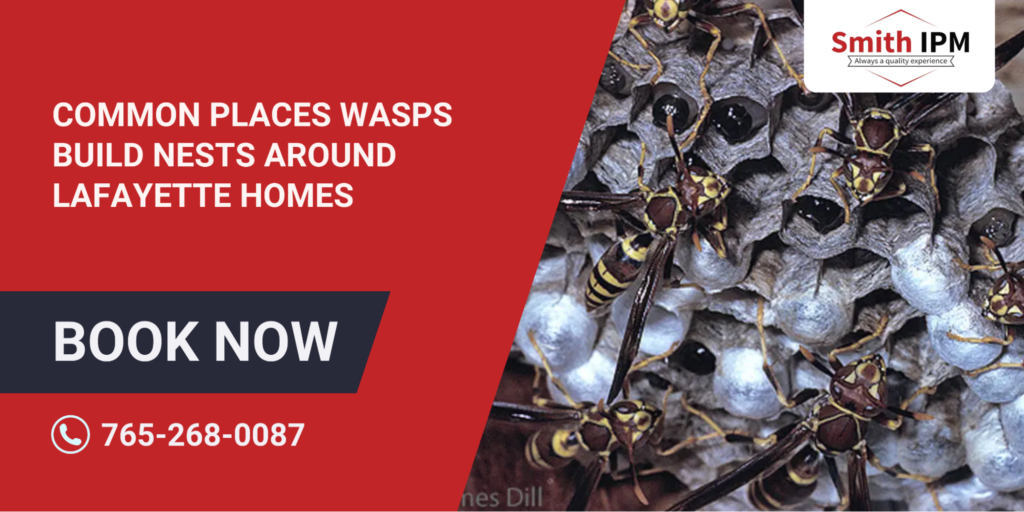
You can identify a wasp nest by looking at the species, its location, and how the wasps behave around it. Hornet nests are made up of hexagon-shaped cells similar to honeybee hives, but these cells are enclosed within a gray, paper-like outer layer. This protective covering typically has a single opening at the bottom for entry and exit. In contrast, paper wasp nests are open, umbrella-shaped structures with visible cells that often hang upside down and are not fully enclosed.
Allergic Reactions and Health Concerns
For people with allergies, a wasp sting can be far more serious than simple pain. An allergic reaction may cause mild symptoms, such as swelling and itching at the sting site, or more severe effects, such as breathing trouble, lightheadedness, or loss of balance. In severe cases, a sting can lead to anaphylaxis, a dangerous reaction that can become life-threatening without quick medical treatment. With roughly 30,000 known wasp species identified by National Geographic, nesting habits can differ widely based on the species, local environment, and climate.
Even for people without known allergies, repeated wasp stings or stings to sensitive areas of the body can pose serious health risks. Multiple stings may overload the body’s immune response, leading to a condition known as systemic toxicity. Although uncommon, this reaction can cause complications such as kidney stress, liver damage, or other widespread health issues. Because of these risks, it is vital to handle wasp nests quickly and with professional care to reduce the chance of stings and protect overall health.
Why Are Wasps More Aggressive Late in the Season?
Several factors increase danger as the season goes on:
- Larger nests mean more defenders
- Less food makes wasps more reactive
- More human outdoor activity
- Mating behavior increases movement
This is why many stings happen in August and September.
Common Places Wasp Nests Become Dangerous
Wasp nests near homes are most hazardous when located in areas that people use daily.
High-risk locations include:
- Under the roof eaves
- Near doors and windows
- Inside wall voids
- On decks and patios
- In sheds and garages
- Near play areas
A nest near frequent foot traffic significantly increases the chance of stings.
Risk Level of Wasp Nests by Season
| Season | Nest Size | Aggression Level | Danger Risk |
| Early Spring | Small | Low | Low |
| Late Spring | Medium | Moderate | Medium |
| Summer | Large | High | High |
| Early Fall | Largest | Very High | Severe |
Why Wasp Stings Are a Serious Concern?
Wasp stings are not just painful. They can be dangerous.
Health risks include:
- Severe pain and swelling
- Multiple stings from one nest
- Allergic reactions
- Anaphylaxis in sensitive individuals
The CDC reports that allergic reactions to insect stings can be life-threatening without fast treatment.
Signs a Wasp Nest Is Becoming Dangerous
Watch for these warning signs:
- Wasps flying in and out constantly
- Loud buzzing near a structure
- Wasps are reacting quickly to movement
- Stings occurring without direct contact
- Nest is growing larger week by week
If you notice these signs, the risk level is already high.
Why Is DIY Nest Removal Is Risky?
Many homeowners attempt to remove nests on their own. This often leads to injury.
DIY removal risks include:
- Multiple stings
- Falls from ladders
- Wasps entering walls
- Nest damage is causing swarming
The Environmental Protection Agency warns against improper pesticide use and unsafe methods for removing nests around homes.
What to Do If You Find a Wasp Nest?
If you discover a nest near your home:
- Keep distance
- Do not spray it with store products
- Avoid loud noise near the nest
- Keep children and pets away
- Contact a professional
Early action prevents serious incidents.
Preventing Wasp Nests Around Your Home
Prevention reduces long-term risk.
Helpful steps include:
- Seal gaps and cracks
- Repair damaged siding
- Keep trash sealed
- Remove food outdoors
- Inspect eaves and sheds regularly
Routine checks during spring can prevent nests from forming.
Professional Wasp Nest Removal
Because wasp nests pose real safety risks, it is best to rely on trained professionals for proper removal. Experienced pest control specialists have the knowledge, tools, and protective equipment needed to handle wasp nests safely. They can correctly identify the wasp type, locate the nest, and use appropriate treatment methods to remove it without endangering homeowners, family members, or themselves. While it is difficult to see a full nest that is underground, a sure-fire way to understand if you’ve stumbled upon a wasp nest is to know the difference between this pollinator and others, like the honey bee.
Reducing Risk
Wasp nests may seem like a minor annoyance at first, but they can pose serious safety risks if left untreated. Their defensive behavior, the possibility of allergic reactions, and the risk of damage to parts of your home make wasp nests a problem that should not be ignored. By recognizing these risks and taking action early, you can protect yourself, your family, and your property. When needed, professional help ensures the nest is handled safely and correctly. Preventive steps, timely response, and expert care all play essential roles in reducing risk and maintaining a safe, wasp-free space.
FAQs
When are wasps most dangerous near homes?
Wasps are most dangerous in late summer and early fall, when their nests are large and colonies are at their most defensive.
Can a small wasp nest be dangerous?
Yes. Even small nests can cause stings if disturbed, but danger increases as the nest grows.
Should I remove a wasp nest myself?
No. DIY removal often leads to multiple stings and injuries. Professional removal is safer.
What time of day are wasps most aggressive?
Wasps are most active during the day, especially in warm weather.
Do wasps reuse old nests?
No. Wasps build new nests each year, but they may return to the same area.
Conclusion
Wasp nests become dangerous near your home as they grow larger and more protective, especially during late summer and early fall. Increased activity, aggression, and nest size increase the risk of painful, sometimes severe stings. Knowing the warning signs and acting early can prevent injuries and stress. Avoid handling nests yourself and focus on prevention, awareness, and timely action. For more than 20 years, Smith IPM has provided trusted, safe, and local termite control in Lafayette. Contact us today to schedule your free estimate and protect your home year-round.