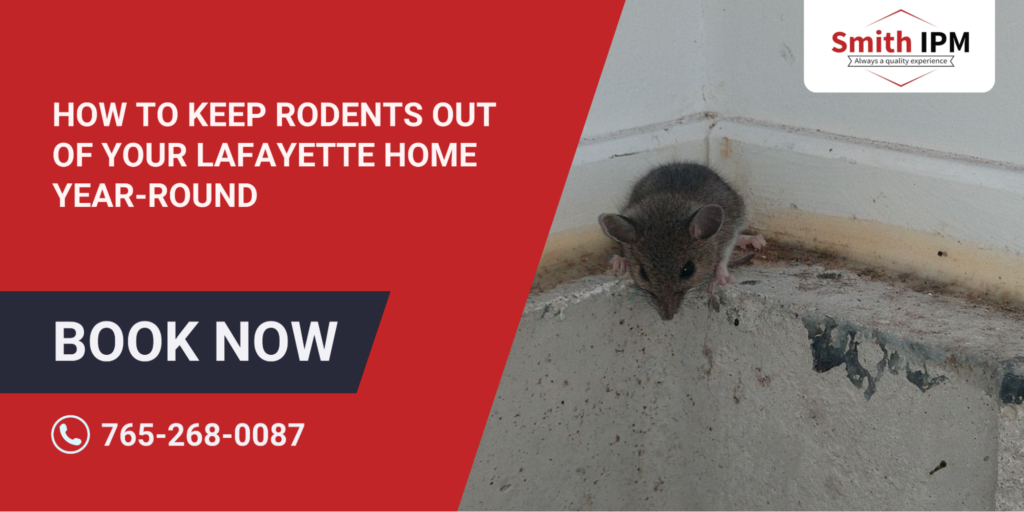

As winter arrives in Lafayette, mice begin searching for warm, cozy spaces and your home is their perfect shelter. These small rodents can squeeze through holes as tiny as a dime, nest inside walls, and chew through wires, insulation, and stored food. Once they move in, they multiply fast, creating costly and unhealthy infestations.
This guide shares proven, easy-to-follow tips from pest control Lafayette professionals to help homeowners prevent mice from entering their homes during the colder months. You’ll learn how to seal entry points, store food properly, maintain your home, and know when it’s time to call for expert help.
Why Mice Seek Shelter in Lafayette Homes During Winter
Mice are survival-driven. As outdoor temperatures drop below 50°F, their natural food sources become scarce, forcing them indoors. Lafayette’s climate cold winters with frequent snow and rain creates ideal conditions for rodent invasions.
Here’s what attracts mice into homes:
| Attraction | Description |
| Warmth | Mice seek warm air leaking from gaps around windows, doors, and foundations. |
| Food Access | Crumbs, pet food, and pantry items provide easy meals. |
| Shelter | Wall voids, attics, and garages offer safety from predators. |
| Nesting Materials | Paper, fabric, and insulation make ideal bedding. |
Even a single mouse can indicate a larger problem. According to the National Pest Management Association (NPMA), a pair of mice can produce up to 200 offspring per year if not controlled.
Signs You May Already Have Mice Indoors
Before preventing future infestations, check if mice have already entered your home.
Common warning signs include:
- Scratching or scampering noises behind walls or ceilings
- Droppings near food areas, drawers, or cabinets
- Gnaw marks on wires, cardboard, or furniture
- A musky, stale odor in closed spaces
- Shredded paper or fabric nesting materials
If you notice any of these, it’s time to act fast before the infestation worsens.
1. Seal All Possible Entry Points
Mice can fit through openings as small as ¼ inch. Conduct a detailed inspection around your home especially near foundations, crawl spaces, vents, and utility lines.
Key areas to seal:
- Cracks in foundations or basement walls
- Gaps around doors and windows
- Openings where cables or pipes enter the home
- Garage doors and dryer vents
Use steel wool, copper mesh, or hardware cloth combined with caulk. Avoid using expanding foam alone, as mice can chew through it easily.
According to Purdue University Extension, homes in Indiana should be inspected at least twice a year for rodent access points especially before winter.
2. Keep Your Kitchen and Pantry Rodent-Proof
Food is a major reason mice stay indoors. To make your kitchen less inviting:
- Store dry food, grains, and snacks in airtight glass or metal containers.
- Clean crumbs and spills promptly.
- Avoid leaving pet food out overnight.
- Empty trash regularly and use sealed bins.
Even small amounts of leftover food can attract rodents. Keep counters, shelves, and floors clean to eliminate easy meals.
3. Declutter and Maintain Storage Areas
Basements, attics, and garages are favorite nesting zones. Mice thrive in cluttered, dark environments where they can hide undisturbed.
Decluttering tips:
- Store seasonal decorations in plastic bins, not cardboard boxes.
- Keep storage items at least 6 inches off the floor.
- Regularly inspect old fabrics, papers, and furniture for signs of activity.
Proper organization not only discourages pests but also makes detection and cleaning easier.
4. Trim Vegetation and Maintain Outdoor Areas
Mice often reach your home through exterior hiding spots. Trim shrubs and grass away from foundations, and remove leaf piles or wood stacks that provide nesting material.
Outdoor prevention checklist:
- Keep firewood at least 20 feet away from your home.
- Trim tree branches that touch your roof or walls.
- Remove outdoor debris and clutter.
Clean, well-maintained yards make it harder for mice to find safe approaches to your home.
5. Eliminate Moisture and Fix Leaks
Like most pests, mice are drawn to moisture. Leaky pipes, damp basements, and humid laundry areas create ideal conditions.
Moisture control steps:
- Fix dripping faucets or pipes immediately.
- Use dehumidifiers in basements.
- Ensure proper ventilation in kitchens and bathrooms.
Maintaining dry conditions makes your home less appealing to rodents and prevents secondary pest problems like insects or mold.
6. Use Safe, Eco-Friendly
For families in Lafayette who prefer non-toxic pest control, there are several safe deterrent options:
| Natural Method | How It Works | Effectiveness |
| Peppermint oil or cloves | Strong scent repels mice near entry points. | Moderate |
| Ultrasonic repellents | Emits frequencies mice dislike. | Varies |
| Steel wool barriers | Prevents gnawing access at entry gaps. | High |
| Professional IPM service | Combines inspection, exclusion, and prevention. | Very high |
The Environmental Protection Agency (EPA) recommends Integrated Pest Management (IPM) , a strategy focused on prevention, monitoring, and minimal pesticide use.
7. Maintain Regular Cleaning Habits
Routine cleaning keeps your home unattractive to mice. Focus on less obvious areas:
- Under appliances and furniture
- Behind the refrigerator and stove
- Inside closets and under sinks
Regular sweeping, vacuuming, and sanitizing removes scent trails that attract rodents.
8. Monitor and Inspect Regularly
Early detection prevents infestations from spreading. Set non-lethal traps in garages, attics, or crawl spaces to monitor activity.
If traps remain active for several days, you may have a recurring issue that requires professional help.
9. When to Call a Professional Pest Control Service
If you continue hearing noises or spotting droppings after DIY prevention, it’s time to call a local pest control expert.
Professional services provide:
- Thorough inspections of all entry points
- Safe, eco-friendly rodent control methods
- Long-term prevention strategies
- Documentation for home maintenance or sale records
Local professionals understand Lafayette’s seasonal pest patterns and can tailor solutions specific to Indiana homes.
For example, Smith IPM specializes in Integrated Pest Management, which prioritizes prevention and uses safe, targeted treatments to protect families and pets.
10. Prevent Future Infestations
Once you’ve handled a mouse problem, preventive maintenance ensures they don’t return.
Long-term prevention plan:
- Schedule quarterly inspections
- Seal new gaps after repairs or renovations
- Keep your exterior foundation clean
- Continue food and waste management routines
Consistent habits are the key to maintaining a pest-free, healthy home all year.
Common Mistakes to Avoid
Homeowners often overlook simple yet crucial steps:
- Ignoring small noises assuming they’ll stop
- Using traps without sealing entry points
- Relying solely on poison (unsafe for kids and pets)
- Skipping follow-up inspections after treatment
Avoiding these mistakes can save hundreds in potential property damage and repairs.
Statistics on Mice Problems in the U.S.
- 29% of U.S. households report at least one rodent sighting annually (U.S. Census Housing Survey).
- Lafayette’s cold season (Nov–Mar) sees a 40% spike in rodent activity, based on Midwest pest control data.
- Mice cause an estimated $20 million in structural damage each year nationwide.
- Rodents are linked to diseases such as Hantavirus and Salmonella, as noted by the Centers for Disease Control and Prevention (CDC).
Frequently Asked Questions (FAQs)
Q1. How do I know if mice are in my walls?
You may hear scratching or scurrying noises at night, especially behind drywall or ceilings. Droppings near baseboards are another clear sign.
Q2. What is the safest way to get rid of mice in Lafayette homes?
The safest method is using Integrated Pest Management (IPM) , a preventive, eco-friendly system focusing on sealing entry points and using traps before chemicals.
Q3. Can mice damage insulation or wiring?
Yes. Mice chew through insulation and electrical wires, increasing fire risk. Professional inspection helps detect hidden damage.
Q4. Are natural repellents effective?
Natural repellents like peppermint oil can deter mice temporarily, but they should be paired with sealing and cleanliness for lasting results.
Q5. How often should I inspect mice during winter?
Monthly checks in attics, basements, and garages during winter are recommended, especially in older Lafayette homes.
Conclusion
Winter in Lafayette can be cozy for you but it’s also prime season for mice seeking warmth and shelter. By sealing entry points, maintaining cleanliness, and practicing eco-friendly prevention, you can keep your home safe and rodent-free. Regular inspections and quick action make all the difference in avoiding costly infestations.
If you want reliable, eco-friendly protection backed by over 20 years of local experience, Smith IPM offers trusted residential pest control solutions for Lafayette homeowners who value safety, prevention, and peace of mind.